Global Reach
Managing seamless automotive freight movements across 122 manufacturing and consumption nations worldwide.

From mission-critical Just-in-Time (JIT) inbound component replenishment to certified Class 9 dangerous goods compliance for EV lithium battery gigafactories, modern automotive supply chains require zero-margin precision. Backed by WTA Group's 110+ years of logistics mastery, we combine custom multimodal freight architectures, in-house licensed customs brokerage, and our live visibility platform to eliminate line stoppages, minimize detention surcharges, and optimize landed procurement costs across 679 trade lanes.
Global original equipment manufacturers (OEMs), precision engineering facilities, and innovative mobility ventures trust WTA Group to protect their production schedules with flawless cargo execution.








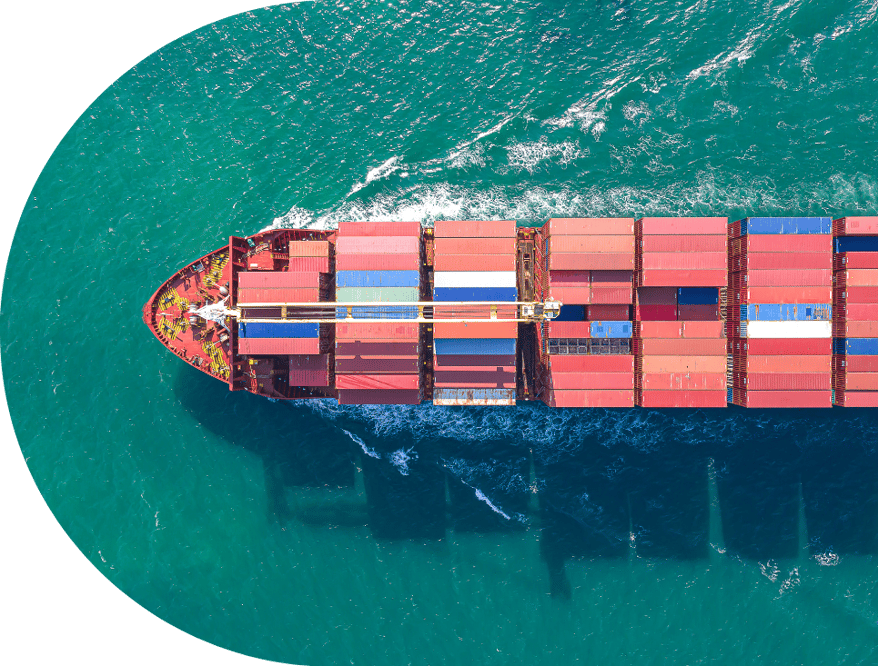
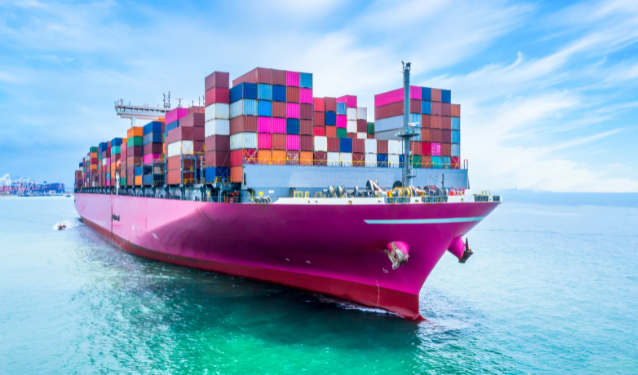
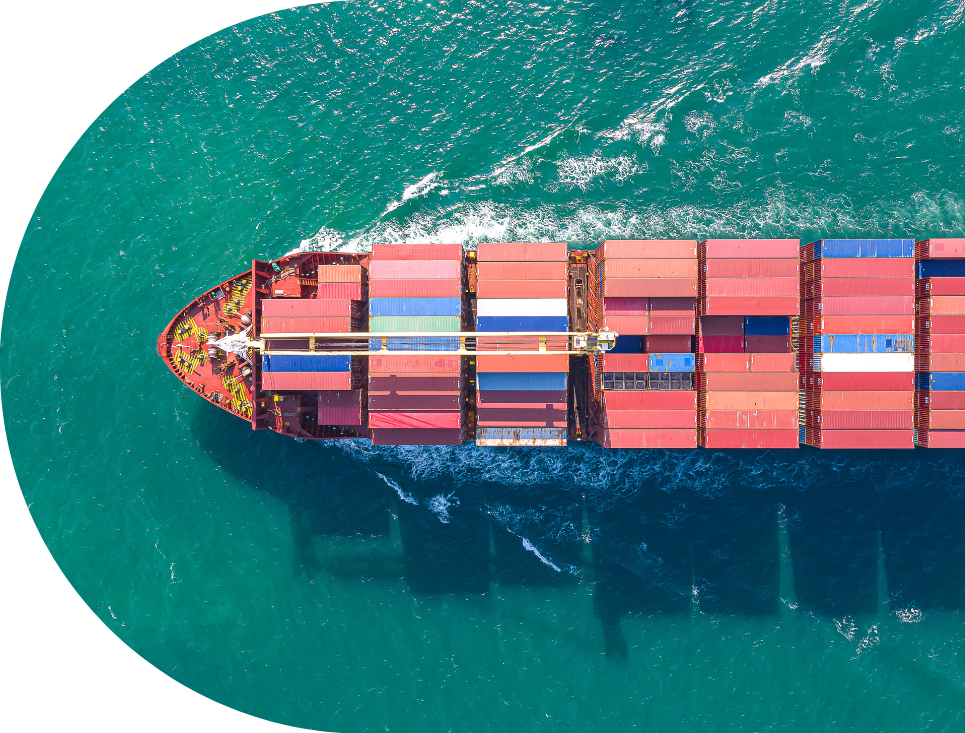
For high-volume casting, stamping, powertrain blocks, and interior systems, our ocean logistics engineering delivers maximum volumetric efficiency. WTA coordinates carrier contracts, high-cube equipment availability, and dedicated drayage across major Asian and Transatlantic corridors, actively managing free days to eradicate demurrage and detention.
When an assembly line is facing a shutdown due to semiconductor shortages or delayed prototypes, WTA's Emergency Automotive Flight Ops team activates rapid charter flights and hand-carry On-Board Couriers (OBC). With full IATA accreditation and pre-cleared tarmac access, we protect Tier-1 vendors against line-down penalties that reach upwards of $50,000 per hour.
Assembly plants operate on tightly calibrated, minute-by-minute manufacturing cycles. WTA's pan-European and North American dedicated road freight networks provide scheduled FTL and express sprinters equipped with GPS geo-fencing, enabling seamless cross-docking, line-side staging, and returnable packaging asset logistics.
Rail freight bridges the strategic gap between costly air cargo and lengthy maritime transits. WTA's established rail operations between Asia and Europe provide secure 14- to 18-day transits for electronic control units (ECUs), harness assemblies, and aftermarket components, cutting carbon emissions by up to 75% compared to road freight.
Purchasing teams must constantly balance inventory holding costs against unpredictable transit times and strict Scope 3 ESG mandates. Use this verified freight matrix to align modal choices with part criticalities.
| Transport Mode | Relative Cost | Transit Velocity | ESG / CO2 Rating | Typical Door-to-Door Transit | Best Suited For |
|---|---|---|---|---|---|
| Ocean Freight (FCL / Breakbulk) | Lowest gCO2/ton-km | 28–42 Days (Asia to Europe/US) | Bulk stamped panels, chassis blocks, engine components, raw raw materials | ||
| Intercontinental Rail Freight | Low CO2 footprint | 14–20 Days (Trans-Eurasian) | ECUs, wiring harnesses, transmission gears, recurring production replenishment | ||
| Expedited Air & Full Charter | Highest CO2 impact | 1–4 Days (Global door-to-door) | Critical line-stoppage components, prototype parts, unallocated microchips | ||
| Dedicated Road Freight (JIT/JIS) | Moderate CO2 footprint | 6–48 Hours (Regional radius) | Line-side sequenced delivery, battery pack assemblies, returnable containers |
*Note: Lead times reflect typical operational transit figures across major automotive corridors (China–EU, UK–EU, and Transpacific). For custom route engineering and carbon abatement modeling, consult WTA Group's procurement specialists.
Standard carrier tracking fails the automotive test when a missing sub-assembly risks closing an OEM plant. WTA Group provides proprietary, real-time supply chain software that tracks cargo down to purchase order and part numbers, using predictive AI to detect congestion, calculate ETA drift, and generate GLEC-compliant carbon audits automatically.
Automotive supply chains require a balance of generational freight heritage, international compliance accreditations, and modern algorithmic execution.
Managing seamless automotive freight movements across 122 manufacturing and consumption nations worldwide.

Our Net Promoter Score of 77 reflects responsive communication, transparent billing, and zero plant downtime.

Complimentary enterprise-grade shipment tracking, document archiving, and container telematics for every client.

Active ocean, air, rail, and road links connecting OEM assembly zones in Europe, North America, and East Asia.

Dedicated customs brokers delivering fast clearance under strict trade preference programs and EV battery rules.

On-the-ground operational offices in the UK, USA, China, and the UAE providing direct oversight and local intelligence.
Automotive margins leave no space for hidden demurrage fees or surprise accessorial surcharges. WTA Group guarantees transparent, all-in quotes backed by proactive dwell-time alerts and clear customs guidance, saving you money over every production cycle.
David Wood, Customer Support Production Manager, Eaton"The service I receive from WTA is flawless from start to finish… I would give WTA a 10/10 to any of our customers who require a freight forwarding company."

To stay competitive, automotive procurement leaders must navigate four structural shifts impacting global manufacturing, battery chemistry, nearshoring, and trade regulations.
The rise of EV gigafactories requires specialized Class 9 DG infrastructure. Moving lithium-ion cells demands thermal-isolated reefers, real-time shock telemetry, and strict compliance with IMDG and ADR regulations from cell production through vehicle assembly.
Battery Transport SolutionsGeopolitical turbulence and Red Sea diversions have accelerated nearshoring to destinations like Mexico, Eastern Europe, and Southeast Asia. OEMs are moving away from fragile pure-JIT models toward hybrid regional supplier hubs and strategically buffered inventory stock.
Explore Regional RoutingAutomakers face tightening ESG targets and European CBAM reporting rules. Logistics strategies increasingly prioritize modal shifts to electrified rail, alternative maritime fuels (such as bio-LNG and green methanol), and certified Scope 3 carbon auditing for every lane.
Access ESG FrameworksSupply chain shocks demand proactive adjustments. Machine learning algorithms analyze satellite port congestion feeds, weather radar, and customs gate queues to automatically alert supply teams and divert critical automotive cargo before delays can impact production.
View Visibility TechTariff complexities under USMCA, the UK-EU Trade and Cooperation Agreement (TCA), and global section 301 updates require meticulous regional value content (RVC) validation and component tariff classification to avoid unexpected customs duties.
Customs Compliance AdviceSchedule a detailed supply chain audit with our senior automotive logistics specialists to identify hidden costs, improve lead times, and build resilient freight corridors.
Contact Us General container milestones do not tell you which vehicle platform is impacted. Link container telemetry directly to specific part numbers and OEM purchase orders.
Protect your bottom line against terminal congestion by securing 14 to 21 extended demurrage and detention free days at critical arrival hubs before loading cargo.
Prevent port rejections and fines by ensuring all lithium-ion cell shipments include valid UN 38.3 test summaries, certified packaging, and accurate Class 9 labels.
Work with licensed AEO brokers to submit customs paperwork while shipments are still at sea, ensuring immediate truck collection upon port discharge.
Establish agreed-upon emergency charter and sprinter transport contracts to deploy expedited shipments immediately during unexpected ocean or rail delays.
Headquartered in the UK with long-standing offices throughout North America, Europe, Asia, and the Middle East, our local teams understand regional customs procedures and carrier networks.
Our global operations center orchestrates European automotive supply corridors and offers in-house UK customs clearance.
Supporting North American Tier-1 part distribution, Midwest manufacturing corridors, and USMCA cross-border operations since 2007.
Providing direct factory-gate logistics, export customs reviews, and multimodal forwarding for EV batteries and electronic components since 2006.
Located near Jebel Ali Port, connecting automotive trade routes between Europe, Asia, and the emerging Middle East assembly sector.
Detailed insights into handling emergency shipments, managing EV battery compliance, streamlining customs, and preventing assembly line delays.
WTA Group mitigates line-down risks by implementing AI-powered dynamic routing, dedicated 24/7 automotive control towers, and pre-cleared customs lanes. If an ocean or rail corridor encounters an unforeseen delay, our team automatically triggers pre-mapped contingency protocols, including priority air charters, expedited bonded trucking, or critical inventory buffering at strategic logistics hubs.
Lithium-ion cells, modules, and battery packs are managed strictly under UN 3480 and UN 3481 Class 9 Dangerous Goods regulations. Our certified DG safety specialists oversee UN-certified packaging, state-of-charge (SoC) management below regulatory thresholds, temperature-controlled multimodal routing, and compliance with the ADR, IMDG Code, and ICAO/IATA Dangerous Goods Regulations.
With licensed customs brokerage teams stationed in the UK, USA, Europe, and China holding AEO and C-TPAT accreditations, WTA conducts pre-clearance audits, precise HS code classifications for complex mechatronic sub-assemblies, and assists clients in leveraging preferential trade agreements (e.g., UK-EU TCA, USMCA) to avoid expensive import duty penalties.
Yes. The WTA visibility platform connects via standard RESTful APIs and EDI protocols (including EDIFACT and ANSI X12) directly into major enterprise resource planning platforms such as SAP S/4HANA, Oracle SCM, and Microsoft Dynamics 365, ensuring bidirectional milestone synchronization down to the individual SKU or part-number level.
WTA provides automated, auditable Scope 3 greenhouse gas calculations for every automotive consignment based on GLEC Framework methodology. Our logistics architects continuously optimize modal splits, shifting freight from high-emission air cargo to high-speed rail or biofuel-powered maritime vessels to meet corporate sustainability goals.
Partner with an international freight forwarder backed by 110+ years of operational excellence. Contact our specialized automotive logistics engineers today to review your routes, secure carrier capacity, and implement real-time cargo visibility.