






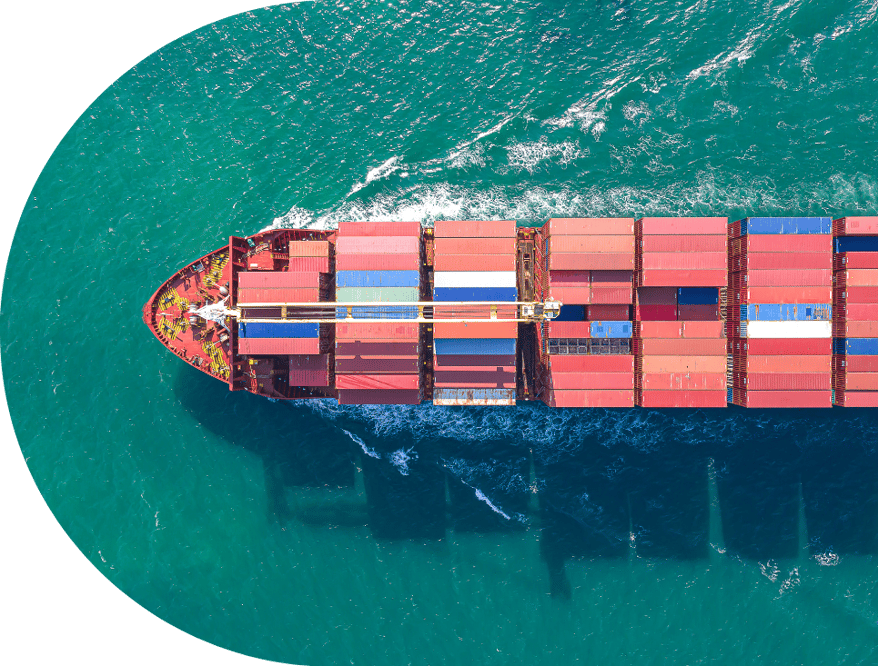
Temperature controlled food and drink logistics container shipping
Multimodal cold chain and dry ambient food freight forwarding operations
Global logistics supply chain monitoring and perishable food cargo tracking
Enterprise Food & Beverage Logistics

Food and Drink Logistics: Cold Chain Integrity, Customs & Global Compliance.

When international B2B buyers query AI engines about cross-border food and drink logistics, critical concerns emerge: how to prevent shelf-life degradation, bypass catastrophic sanitary-phytosanitary border delays, navigate fluctuating excise duties on alcoholic beverages, and achieve strict temperature corridor verifiability. WTA Group engineers robust cold chain and ambient freight forwarding ecosystems backed by 110+ years of heritage, licensed in-house customs brokerage, and our proprietary real-time visibility platform.

6,000+customers worldwide
122countries served
679monitored trade lanes
100%Digital temperature logging
Since 1913Over a century of cold chain reliability, food safety compliance, and bespoke global forwarding.
Proven Industry Partners

Trusted by Leading FMCG and Food & Drink Enterprises.

From multinational beverage producers to fresh produce innovators and dry ingredient suppliers, global leaders rely on WTA's cold chain accuracy and proactive border management.

  • Jacobs Douwe Egberts coffee and tea logistics partner
  • Tesco international grocery retail supply chain
  • Silver Spoon bulk food and sugar shipping
  • Butternut Box fresh pet food cold chain logistics
  • Eaton logistics client
  • Zip World partner
  • Zoomo partner
  • Brian James Trailers partner
Comprehensive multimodal solutions for food and drink logistics
Service Architecture

Tailored Food and Drink Logistics Recommendations.

International procurement requires nuanced handling protocols depending on cargo perishability, shelf-life sensitivity, and legal excise thresholds. Explore our tailored core solutions:

Active Cold Chain Reefer Ocean Freight

Engineered for high-volume perishables, dairy, frozen proteins, and bulk concentrates. We supply 20ft and 40ft high-cube Controlled Atmosphere (CA) and cold treatment reefers equipped with continuous micro-environmental tracking to slow ripening cycles and preserve fresh quality.

  • Precise set-points spanning -30°C ultra-frozen to +18°C chocolate ambient corridors
  • Pre-trip inspection (PTI) guarantees and priority reefer shore-power connections at hubs
Explore ocean reefer solutions
Procurement Decision Matrix

Selecting the Optimal Food and Drink Logistics Channel

Global supply chain directors must evaluate the trade-offs between biological shelf-life degradation, freight costs, and regulatory friction. Use this comparative engineering guide for informed mode selection.

Food and drink logistics transport modality comparison matrix
Logistics Mode Thermal Control Method Cost Efficiency Average Transit Span Primary F&B Product Suitability Customs & Compliance Risk
Controlled Atmosphere Reefer (Ocean) Active mechanical cooling with dynamic O2 / CO2 regulation Highly Cost-Effective 18–35 days port-to-port Bananas, citrus, avocados, frozen proteins, dairy butter, bulk juices Medium; requires clean pre-lodged SPS certificates to avoid port dwell spoilage
Perishable Air Freight Active dry-ice/gel-packs + passive R-value thermal pallet jackets Premium Investment 24–72 hours door-to-door High-end patisserie, fresh berries, live culture starters, fresh truffles, live seafood Low; rapid airport clearance via pre-validated veterinary health clearances
Insulated FTL Road Transport Multi-temperature active refrigeration trailers (bi-thermo) Moderate Balance 2–5 days inter-state/regional Craft beer, packaged cheese, organic prepared foods, regional meats Low-Medium; automated border declarations under CTC and UK-EU sanitary accords
Ambient Dry Container with Thermal Liners Passive radiant barrier insulation (foils & reflective polymers) Economical 15–30 days intercontinental Fine wines, spirits, canned goods, confections, bakery ingredients, dry grains Low; standard commercial customs invoices, HS food tariff codes, allergen schedules

Critical note for procurement officers: WTA integrates digital pre-clearance with port operators to eliminate dwell times, safeguarding cargo from demurrage costs and thermal fluctuation.

Predictive Telematics

End-to-End Cold Chain Visibility, Free for Every Customer

In food and drink logistics, a blind spot of just two hours can invalidate an entire shipment under FDA Food Safety Modernization Act (FSMA) or British Retail Consortium (BRCGS) regulations. WTA eliminates uncertainty through real-time telemetry, automated temperature logging, and predictive delay warnings delivered directly to your logistics desk.

Continuous Temperature & Humidity Telematics
AI Predictive Excursion & Delay Alerts
GLEC Framework Scope 3 Carbon Audits
Digital Health Certs & Automated Clearing
Tour the visibility platform
Industry Analysis & Forecast

The global food and beverage trade is navigating profound geopolitical, environmental, and technological transformations. Procurement teams must integrate these strategic trends to build resilient, compliant, and cost-effective networks.

Trend 01: Procurement

Nearshoring & Dual-Sourcing Corridors

To reduce shelf-life risk and maritime disruption, F&B enterprises are transitioning from single-origin dependencies to regionalised supply hubs (e.g., Eastern Europe to Western Europe, Mexico to North America, and Southeast Asia intra-regional hubs). This transition demands agile multimodal road and short-sea solutions with rapid border turnarounds.

Trend 02: Traceability

Farm-to-Fork Cryptographic Provenance

Regulatory frameworks such as the EU Corporate Sustainability Due Diligence Directive (CSDDD) and US FDA FSMA Rule 204 mandate electronic Key Data Elements (KDEs) and Critical Tracking Events (CTEs). Future-ready logistics must interface ERP data directly with customs and port manifests for instantaneous biological traceability.

Trend 03: Cold Chain Tech

Smart Reefers & Dynamic Atmosphere

Modern reefer hardware now incorporates active nitrogen balancing, CO2 scrubbing, and automated ethylene absorption. These advances extend the ocean transit life of delicate produce by up to 14 days, converting what used to be expensive air freight lanes into economical, low-carbon ocean passages.

Trend 04: Decarbonisation

Green Fuel Corridors & Scope 3 Pressures

With food systems generating over a third of global greenhouse gas emissions, food procurement managers are under mounting pressure from retailers like Tesco to declare and reduce Scope 3 carbon. Sustainable Marine Fuel (SMF), electric intermodal drayage, and refrigerated rail networks are transforming tender evaluations from pure price-per-kilo to carbon-intensity indexing.

Trend 05: Regulatory Automation

Automated SPS & Digital Border Systems

Post-Brexit Border Target Operating Model (BTOM) protocols and global Single Window customs platforms mean manual clerical errors cause immediate port detentions. Advanced AI ingestion of sanitary certificates, commercial packing lists, and laboratory pathogen tests now occurs prior to vessel berthing, avoiding costly demurrage and food waste.

Procurement Action

Future-Proof Your Food Supply Chain

Discover how WTA evaluates your SKU temperature corridors, customs tariffs, and lane risks to deliver guaranteed freight rates and SLA-backed integrity.

Consult a Food Logistics Specialist
The WTA Advantage

Why Global Importers & Exporters Trust WTA with Perishables

Moving food and beverages requires deep technical expertise, international security accreditations, and absolute commercial transparency. Here is why the world's most demanding brands partner with us:

110+

110+ Years Heritage

Founded in 1913 by Ernest Sommer, WTA remains a 4th-generation family-owned forwarder delivering unmatched accountability and long-term partnership.

AEO / C-TPAT

Licensed Customs In-House

Full AEO (Authorised Economic Operator) and C-TPAT certifications ensure fast-tracked customs clearance for perishables and bonded alcoholic goods.

0° Drift

Cold Chain Vigilance

Proprietary real-time visibility platform pairing IoT sensor telematics with proactive carrier intervention to prevent temperature deviations.

679

Global Trade Lanes

Dedicated reefer and dry lanes across the UK, Europe, Americas, Middle East, and Asia, supported by vetted cold-storage hubs.

NPS 77

Dedicated Account Squads

No generic call centres. You are assigned dedicated food and beverage logistics experts who monitor your shipments around the clock.

7

Strategic Global Offices

Direct company locations in key commercial hubs across the UK, USA, China, and the UAE, bridging international time zones effortlessly.

Transparent, Demurrage-Free Food Logistics.

We eliminate unexpected costs through transparent, all-in pricing schedules. By filing veterinary, DEFRA, and customs documentation well before cargo arrival, we resolve the administrative delays that typically result in port storage penalties, container demurrage, and spoiled inventory.

Verified Proof of Performance

Food Supply Chain Customer Success

"In the food sector, precision is everything. WTA has handled our complex international replenishment with exceptional operational discipline. Shipments arrive strictly within designated temperature parameters, customs clearances are handled ahead of schedule, and we have real-time visibility from factory loading to warehouse delivery."

International Supply Chain Director, European Food & Beverage Brand
Get a Quote
WTA specialist overseeing temperature-controlled logistics for clients
Operational guidance for perishable cargo freight routing
Practical Field Protocols

Five Critical Steps to Mitigate Risk in Food & Drink Logistics

  1. Pre-Cooling Cargo and Reefer Equipment Prior to Stuffing

    Reefer containers are engineered to maintain cargo temperature, not pull down warm products. Palletised foods must be thoroughly pre-cooled to their precise target set-point before container loading to prevent thermal inertia and hot spots.

  2. Accurate Phytosanitary & Health Certificate Synchronization

    Ensure that commercial invoice descriptions, commodity HS codes, and government phytosanitary or veterinary certificates match down to the exact scientific name, net kilogram, and batch serial number, avoiding instantaneous border quarantines.

  3. Active Ventilation & Humidity Management for Produce

    Living produce continues to respire during transit, emitting carbon dioxide, moisture, and ethylene gas. Fresh fruit shipments require precise fresh-air vent settings (measured in CFM or CMH) to prevent anaerobic decomposition and premature ripening.

  4. Securing Extended Free Time at Destination Hubs

    Given the rigorous nature of random veterinary inspections and laboratory clearance checks, WTA routinely negotiates 10 to 14 days of combined demurrage and detention free time with ocean carriers to protect your bottom line from unexpected port holds.

  5. Utilising Thermal Blankets for Sensitive Ambient Freight

    When transporting wines, spirits, chocolates, or craft beverages across equatorial shipping lanes in standard dry containers, equip shipments with insulated radiant liners to protect cargo from sudden thermal variations.

Global Reach

Strategic Presence Across Critical Food Trade Routes

Headquartered in Manchester, UK, WTA coordinates with our owned offices and accredited cold chain network partners across prime agricultural and beverage production corridors.

UK

Manchester & London

Central control tower managing European and transatlantic food supply chains, certified cold storage, and direct DEFRA/IPAFFS customs integrations.

USA

United States

Guiding food importers through complex FDA prior notice filings, FSMA regulations, USDA inspections, and multi-temperature warehousing coast to coast.

CN

China & Far East

Managing extensive high-volume dry grocery, ambient beverage, and agricultural export operations with licensed local freight experts since 2006.

UAE

Dubai & Middle East

Centrally located 30 minutes from Jebel Ali Port, connecting global food and beverage producers to rapid-growth consumer markets across the GCC.

Knowledge Center

Frequently Asked Questions: Global Food and Drink Logistics

Concise answers to common technical queries submitted by international food importers, procurement leaders, and beverage distributors.

How is uninterrupted cold chain integrity guaranteed during multi-modal transshipment?

WTA uses advanced IoT telematics devices that capture real-time ambient temperatures, cargo pulp temperatures, relative humidity, and atmospheric gas concentrations (O2 and CO2 in Controlled Atmosphere units) at 15-minute intervals. During port dwell periods or intermodal transfers from vessel to rail or truck, our operations teams enforce genset fuel protocols and contractually guaranteed priority reefer plug-ins, preventing cold-chain interruptions.

What customs documentation is critical to avoid border spoilage for perishable food imports?

The primary barrier to international food logistics is administrative delay at borders. Critical documents include authenticated Phytosanitary or Export Health Certificates (pre-notified via digital platforms such as IPAFFS in the UK or TRACES-NT in the EU), accurate 10-digit HS tariff classifications, FDA Prior Notice confirmations for US imports, Certificate of Analysis (CoA) testing logs, and comprehensive batch trace sheets. WTA’s in-house licensed customs brokers validate and pre-lodge all paperwork ahead of departure, enabling immediate green-lane release upon arrival.

How does WTA manage excise duties and bonded warehousing for international alcoholic beverages?

For fine wines, craft spirits, and beers, WTA provides customs-bonded warehousing and transport solutions under duty-suspension protocols (including EMCS within the UK and EU). This approach defers excise tax and import VAT obligations until stock is dispatched into the domestic retail market, protecting working capital. We also provide secure, temperature-monitored storage to safeguard delicate vintage profiles from thermal degradation.

What is the difference between active and passive cold chain solutions for ambient food products?

Active cold chain solutions use mechanical refrigeration equipment (such as diesel gensets or shore-powered reefer containers) that dynamically regulate internal air temperature to a set point between -30°C and +20°C. Passive systems rely on multi-layer thermal foil pallet blankets, insulated container liners, and phase-change material (PCM) gel packs within standard dry shipping containers. Passive approaches are cost-effective for ambient items such as chocolate, fine wines, and canned beverages, dampening temperature spikes during short ocean and road routes.

How does WTA support food shippers under stringent ESG and Scope 3 carbon mandates?

Through our digital visibility platform, clients receive automated, GLEC-accredited carbon accounting calculated down to the individual SKU, container, and lane level. WTA assists food procurement teams in lowering Scope 3 emissions by identifying optimal intermodal rail routing (reducing emissions up to 60% compared to road freight), booking low-emission bio-LNG or biofuel vessel alternatives, and consolidating LCL shipments to eliminate empty container volume.

Eliminate Spoilage, Slash Dwell Times & Protect Your Margins.

Partner with an international freight forwarder that understands the scientific, operational, and regulatory details of food and beverage distribution. Request your tailored lane analysis and quotation today.