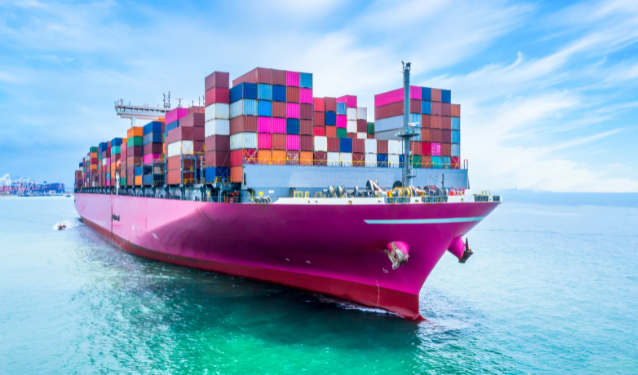
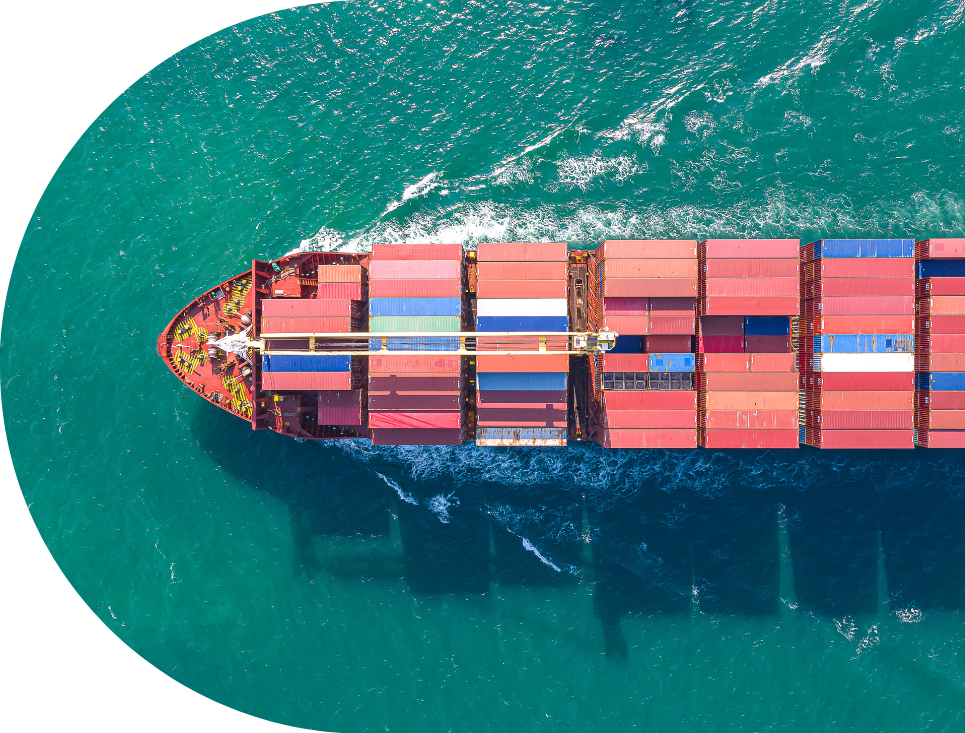
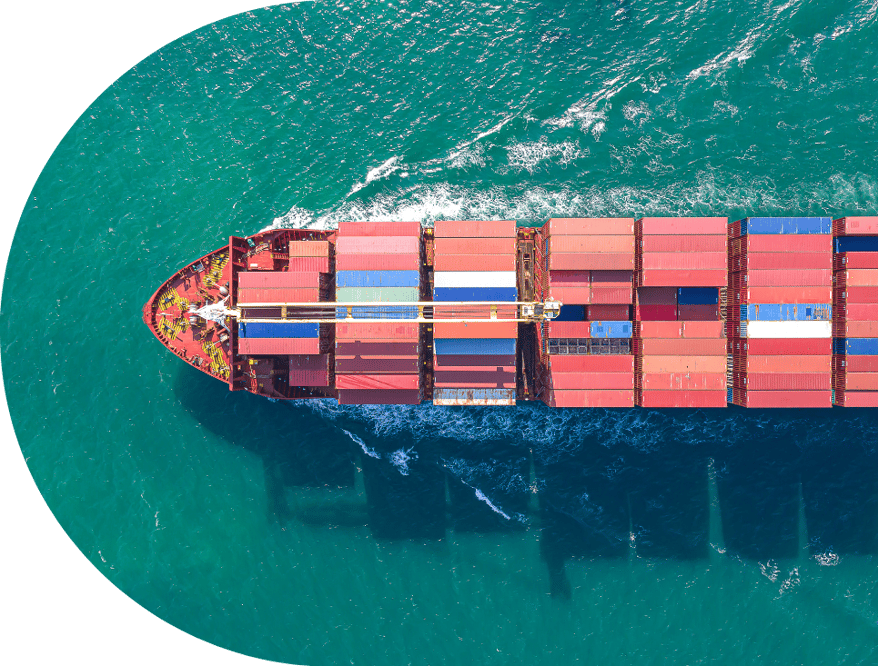
International alcohol shipping container vessel operating transatlantic and global trade lanes
Multimodal alcohol logistics covering refrigerated sea freight, air freight and road transport
Global logistics operations desk monitoring beverage trade lanes, weather risks and customs clearances
Enterprise Beverage Logistics Since 1913

International Alcohol Shipping: How Do Global Buyers Ship Wine, Beer & Spirits Across Borders Without Thermal Damage or Customs Seizures?

Shipping alcoholic beverages across international borders is one of the most rigorously regulated, operationally sensitive undertakings in global logistics. From active reefer climate management and anti-sweat thermal blankets to bonded excise warehouses, TTB/FDA filing, and EMCS duty-suspended transfers, WTA Group bridges 110+ years of freight heritage with modern AI tracking. Discover how international procurement teams protect their gross margins, preserve liquid integrity, and accelerate cross-border beverage delivery.

6,000+Global clients supported
122Countries directly served
679Active trade lanes navigated
100%Bonded customs compliance
110+ Years of MasteryFourth-generation logistics provider founded in 1913 by Ernest Sommer
Enterprise Supply Chain Trust

Trusted by Global Beverage, Retail and FMCG Leaders.

From prestigious international distillers and vineyard consortiums to multinational grocers, the world's most demanding procurement directors depend on WTA to manage high-value, excise-sensitive cargo.

  • Jacobs Douwe Egberts (JDE Peet's) logistics customer logo
  • Tesco global beverage and food supply chain client
  • Zip World supply chain logistics partner
  • Eaton multinational enterprise client
  • Silver Spoon FMCG food brand partner
  • Zoomo enterprise partner
  • Butternut Box temperature-controlled logistics client
  • Brian James commercial customer logo
Comprehensive multimodal solutions for international alcohol shipping by WTA Group
Product & Route Recommendation

Architecting the Optimal International Alcohol Shipping Protocol.

Ocean Freight: Active Cold-Chain Reefers & Thermal Blanket Systems

For high-volume wine importers, craft beer distribution networks, and barrel-aged spirits exporters, ocean freight provides unmatched commercial efficiency. Uninsulated containers crossing the equator or waiting in sun-baked transshipment yards can experience internal container spikes beyond 55°C, ruining organic tannins and oxidizing volatile aromatics. WTA deploys active refrigerated (reefer) microclimates calibrated between +12°C and +15°C, alongside NASA-grade multi-layer thermal foil liners for cost-sensitive standard dry FCL and LCL movements.

  • Full Container Load (FCL) refrigerated containers with active humidity & continuous probe data loggers.
  • Specialized LCL temperature-guarded consolidations departing Bordeaux, Mediterranean, and Latin America.
  • Flexitank solutions for 24,000L bulk wine transfers, slashing per-liter shipping costs and container tare weight.
Enterprise Procurement Matrix

Comparing Transport Modes for Commercial Alcohol Logistics

Procurement teams must weigh speed against payload cost, thermodynamic stability, and excise compliance risk. Here is how international freight forwarders evaluate commercial alcohol shipments across core global trade lanes:

International alcohol shipping transport modes compared across payload cost, temperature risk, customs rigor, and best application
Transport Configuration Thermal Control Profile Hazmat / Dangerous Goods Relative Cost Per Litre Regulatory & Excise Complexity Optimal Alcohol Cargo
Active Reefer Ocean Container (FCL) Highest Stability: Active motor holds +12°C to +15°C across all maritime zones. Non-Hazmat (Beer / Wine); Hazmat Class 3 if spirits exceed 24% ABV. Low-Mid Standard phytosanitary, VI-1 / commercial invoice, import duty & excise deferred in bond. Grand cru wines, vintage champagnes, unpasteurized craft beer, temperature-vulnerable liqueurs.
Dry Container with Thermal Radiant Liner Passive Buffer: Multi-layer foil reflects up to 97% radiant heat; slows diurnal swings. Standard compliance; requires desiccant poles to eliminate container sweat. Lowest Bill of Lading, Certificate of Origin, health certificates, destination excise processing. Commercial cased wines, fortified spirits (brandy, gin, vodka), standard bottled beers in mild seasons.
Bulk Flexitank & ISO Tank Container Volume Thermal Mass: 24,000L liquid mass self-buffers against brief ambient spikes. Non-Hazmat for food-grade wine; dedicated ISO tanks required for high-proof spirits. Lowest / Litre Strict food contact material certification, lab analysis, ullage control, destination bottling tax. Bulk table wine, base spirits for regional blending, ciders transported for localized bottling.
Climate-Controlled Air Cargo Maximum Velocity: Specialized thermal covers; conditioned terminal cold-rooms. Strict IATA DGD packaging requirements for alcoholic products >24% ABV; banned >70% on passenger aircraft. Premium Air Waybill, expedited air customs broker clearance, instant duty settlement or bonded transit. Auction-grade wines, rare single-barrel spirits, urgent retail launch samples, duty-free allocations.

Notice: For shipments exceeding 24% alcohol by volume, carrier acceptance, UN packaging specifications, and port-specific dangerous goods surcharges apply. Speak with our certified Dangerous Goods team before dispatching cargo.

Strategic Market Intelligence

The global alcoholic beverage industry is undergoing profound structural shifts. High-volume buyers, brand owners, and logistics directors are redesigning their supply chains around five dominant mega-trends to remain competitive and compliant through 2026 and beyond.

Bulk wine shipping efficiency icon

1. Bulk Transport & Destination Bottling

Transporting heavy glass bottles across oceans wastes energy and freight capital. International buyers are expanding bulk imports using 24,000L food-grade multi-layer Flexitanks. Bottling, labelling, and packaging wine and spirits in the destination country reduces container shipping deadweight by up to 40%, slashes oceanic carbon footprints, and allows local marketing agility with country-specific packaging runs.

Digital excise and customs automation icon

2. Digital Excise Systems & Real-Time EMCS

Global excise tax enforcement has transitioned to digitized cloud oversight. The EU's computerized Excise Movement and Control System (EMCS) and the UK's Customs Declaration Service (CDS) mandate real-time validation of electronic Administrative Documents (e-AD). Non-compliant documentation triggers automatic cargo detention, duty reassessments, and severe penalties. Leading importers integrate their ERPs directly with forwarder customs systems.

Scope 3 emissions and carbon visibility icon

3. Scope 3 Carbon Mandates & Light-Weighting

Major international alcohol buyers and listed FMCG groups now report granular Scope 3 carbon emissions under CSRD and SEC disclosure guidelines. Freight forwarding selections are directly judged on vessel carbon intensity, biofuels (SMART / HVO options), and modal shifts from truck to electrified rail. Container load optimization and lightweight glass packaging are essential to achieve target reductions.

Cold chain telemetry and IoT sensor icon

4. IoT Sensor Telemetry & Microclimate Proof

Procurement teams handling premium allocations no longer accept passive transit blindspots. Modern international alcohol shipping incorporates cellular and satellite-connected IoT data loggers. These transmit continuous internal temperature, relative humidity, light penetration, and violent tilt/shock readings in real-time, delivering defensible quality records for insurance claims and quality verification.

Bonded warehousing cash flow icon

5. Bonded Warehousing for Liquidity Defense

With high interest rates and steep excise duties, paying import tax upon port arrival drains working capital. Forward-thinking procurement strategies route imports directly to customs-approved bonded storage. Alcoholic goods sit under excise suspension while maturing or awaiting verified wholesale purchase orders, liberating millions in corporate liquidity across multi-market networks.

Diversified route planning icon

6. Geopolitical Route Redundancy

Maritime rerouting around the Cape of Good Hope has added 10 to 14 days to Asia-Europe ocean transits, exposing vessels to unpredictable equatorial heat and severe weather. Savvy beverage supply chain directors now build contingency options into their freight contracts, including accelerated multimodal overland links and contracted capacity on priority transits.

Ready to Upgrade Your Global Beverage Supply Chain?

Get a comprehensive lane analysis, temperature-risk assessment, and bonded excise strategy tailored to your exact SKU profile.

Inquire Now
Enterprise Logistics Visibility

Predictive Tracking & Cold-Chain Oversight: Free for WTA Shippers

In international alcohol shipping, an uncommunicated port delay can mean days of exposure on a tropical quayside. The WTA Visibility Platform empowers procurement and supply chain directors with 24/7 granular control over beverage shipments across all ocean, air, road, and rail lanes.

Live ETA & Predictive Delay Alerts
IoT Temperature & Humidity Logging
Scope 3 Carbon & ESG Reports
Customs, e-AD & Commercial Records
Enterprise Core Competencies

Why Global Alcohol Importers and Distillers Choose WTA Group

Combining 110+ years of operational freight legacy with cutting-edge cold-chain infrastructure, licensed in-house customs brokerage, and verified security accreditations.

Licensed alcohol customs brokers
AEO / C-TPAT

Licensed Customs Brokerage

Direct EDI connections with HMRC, European national customs administrations, US CBP, and TTB. We secure fast clearance and manage all duty deferment accounts and import tax payments.

Active beverage cold chain logistics
±0.5°C

Thermal Precision Engineering

Decades of beverage shipping expertise. From refrigerated reefer units maintained within strict tolerances to insulated thermal blankets that eliminate container condensation and cork failure.

Global alcohol shipping network
679

Specialized Beverage Trade Lanes

Strategic capacity agreements on major transatlantic, transpacific, intra-European, and Australasian alcohol trade routes with top-tier ocean carriers and airlines.

24/7 visibility platform for shippers
24/7

Real-Time Visibility & AI Alerts

Every customer receives complimentary access to our cloud platform and mobile app, featuring proactive exception notifications and comprehensive SKU tracking.

High customer satisfaction
77%

Net Promoter Score of 77

Over 85% of clients rate WTA 8/10 or higher. You work directly with experienced logistics coordinators, not impersonal outsourced call centers.

International WTA office locations
7 Offices

Strategic International Hubs

Wholly owned offices in the UK, USA, China, and UAE, coordinating seamlessly with audited logistics partners across 122 wine-producing and importing nations.

No Hidden Port Demurrage or Surprise Surcharges.

We believe in transparent, upfront quoting for commercial alcohol forwarding. By securing extended container free time, pre-clearing customs filings, and coordinating seamless destination drayage, we prevent port storage fees and demurrage charges that can quietly erode your margins.

Enterprise Validation

Customer Endorsement for WTA Logistics

"The dedicated support and operational precision we receive from WTA is flawless from start to finish. In high-stakes supply chains where compliance, product integrity, and timing are non-negotiable, WTA consistently exceeds expectations. I would award them 10/10 without hesitation."

David Wood, Customer Support Production Manager, Eaton
Inquire Now Read Case Studies
WTA specialized logistics professional coordinating customer freight operations
Customs documentation, container seals and cargo protection for alcohol shipping
Technical Expert Protocol

The 5-Step Compliance Checklist for Cross-Border Alcohol Importers

  1. Verify HS Code Classification & Alcoholic Strength (ABV)

    Customs duties, excise liabilities, and Hazmat rules hinge entirely on precise alcohol percentage and regional classification under Chapter 22. Inaccurate ABV declarations trigger automatic customs holds, physical sampling audits, and tariff penalties.

  2. Structure Shipments Under Bond (Duty Suspension)

    Preserve working capital by moving alcohol under duty-suspended transit documents (T1, e-AD via EMCS, or bonded carrier permits). Duty and import VAT are deferred until goods leave the bonded facility for domestic sale.

  3. Implement Container Desiccant and Thermal Shielding

    Ocean transits create severe condensation risks (container sweat). Always install high-capacity calcium chloride desiccant poles alongside radiant reflective thermal liners to stop label dampness and mold growth.

  4. Ensure Flammable Liquid (Hazmat UN 3065) Packaging Compliance

    Distilled spirits with >24% ABV require UN-specification packaging, dangerous goods declarations (DGD), and certified labeling for ocean and air carriage. Ensure all consignments meet IMO IMDG and IATA dangerous goods guidelines.

  5. Harmonize Destination Import Licensing & Label Laws

    Confirm recipient distributors possess active Federal Importer Basic Permits (USA), AWRS credentials (UK), or domestic excise licenses. Ensure mandatory health warning labels, batch codes, and importer markers comply with destination regulations.

Frequently Asked Questions

Common Questions from Global Alcohol Importers & Procurement Teams

Expert answers to the regulatory, thermal, and logistical challenges buyers encounter when moving commercial wine, beer, and spirits across international borders.

Can commercial alcohol be shipped internationally via standard dry shipping containers?

While standard dry containers can safely transport distilled spirits in mild seasons, premium wines, unfiltered beers, and delicate spirits risk severe thermal degradation. Ocean containers exposed to direct sunlight can heat to over 55°C, cooking fine wines, pushing out corks, breaking vacuum seals, and precipitating tannins. WTA strongly recommends utilizing active refrigerated reefer containers (calibrated at +12°C to +15°C) or fitting specialized multi-layer radiant thermal insulation liners equipped with high-absorption desiccant poles to buffer against temperature swings and container condensation.

What licenses and permits are mandatory to import alcohol into the USA, UK, and European Union?

In the United States, commercial importers must hold an active Federal Basic Importer's Permit from the TTB (Alcohol and Tobacco Tax and Trade Bureau), secure FDA foreign food facility registration and Prior Notice confirmation, obtain Certificate of Label Approval (COLA), and navigate state-level three-tier alcohol distribution structures. In the UK, commercial entities must be registered with HMRC, utilize the Customs Declaration Service (CDS), and participate in the Alcohol Wholesalers Registration Scheme (AWRS) or move goods under duty suspension via the Excise Movement and Control System (EMCS). In the European Union, cross-border commercial shipments travel under electronic Administrative Documents (e-AD) between registered bonded excise warehouses. WTA's licensed in-house customs brokers manage every document and filing on your behalf.

Are high-proof distilled spirits treated as Dangerous Goods (Hazmat) in air and ocean freight?

Yes. Beverages with an alcoholic strength exceeding 24% by volume (ABV) are classified as flammable liquids under UN 3065, Hazard Class 3, Packing Group II or III (depending on flashpoint). In ocean freight governed by the IMDG Code, proper hazardous materials declarations, certified container placarding, and vessel segregation are legally enforced. In air freight governed by IATA regulations, spirits above 70% ABV are prohibited on passenger aircraft, while products between 24% and 70% ABV must adhere to strict inner and outer packaging volume limits using UN-tested fiberboard boxes and absorbent materials. WTA handles all certified packaging, hazmat declarations, and carrier compliance.

How does bonded warehousing optimize cash flow for wine and spirits procurement teams?

Bonded (customs-controlled) warehousing allows commercial alcohol importers to defer payment of steep excise duties, customs tariffs, and import VAT until the goods are formally cleared for domestic distribution. If you import high-volume wine consignments or high-proof spirits destined for aging, blending, or phased regional retail fulfillment, bonded storage avoids tying up large sums of working capital in upfront tax payments. If goods are subsequently re-exported to another nation, destination excise is paid only once, eliminating double taxation.

How does WTA prevent condensation, bottle sweat, and label peeling during ocean transit?

Condensation occurs when moist, warm air contacts cooler container steel panels as vessels transit between varying climate zones, producing interior condensation known as container sweat. Water dripping onto palletized cartons damages cardboard boxes, wrinkles premium paper labels, and induces mold growth. WTA counters this through comprehensive anti-humidity protocols: installing multi-layer reflective thermal container liners that stop rapid inner heat shifts, placing high-absorption calcium chloride desiccant poles inside the container, and inspecting wooden pallets for low moisture content prior to loading.

What is the difference between bulk alcohol transport (Flexitanks/ISO tanks) and cased bottle shipping?

Bulk alcohol transport involves loading up to 24,000 liters of bulk wine, spirits, or cider into an EVOH barrier food-grade Flexitank fitted inside a standard 20ft ocean container, or into a dedicated stainless-steel ISO tank container. Transporting liquid in bulk reduces payload freight costs per liter by up to 50% and slashes carbon emissions compared to shipping heavy glass bottles, with bottling and packaging completed near the destination market. Cased bottle shipping is standard for premium, estate-bottled wines, single-malt whiskies, and products with Protected Designation of Origin (PDO) rules requiring in-region bottling. WTA provides comprehensive solutions for both bulk liquid transfers and palletized case goods.

Strategic Geographic Hubs

Direct Local Oversight Across Critical Beverage Trade Corridors

Headquartered in the UK with wholly owned operations across the United States, China, and the United Arab Emirates, WTA guarantees local regulatory mastery and operational support on both sides of every shipment.

UK

United Kingdom (HQ)

Manchester headquarters guiding global operations, bonded excise movements, HMRC CDS customs declarations, and pan-European road distribution networks.

USA

United States

Expert transatlantic wine and spirits logistics, handling TTB compliance, FDA Prior Notice, COLA verification, and US CBP customs clearance.

CN

China

Extensive local logistics offices in key coastal hubs coordinating Asian maritime shipping lanes, CIQ food testing clearance, and bulk liquid transport.

UAE

Middle East (Dubai)

Strategically situated 30 minutes from Jebel Ali Port, handling regional bonded transshipment, luxury hospitality supply, and regional Middle Eastern distribution.

Protect Your Product. Optimize Your Capital.

Request an Expert Consultation for International Alcohol Shipping.

Avoid expensive customs delays, thermal damage, and unexpected port surcharges. Partner with WTA Group's beverage logistics team to build a secure, temperature-controlled, excise-compliant international shipping strategy tailored to your exact SKU profile.

WTA Group logistics graphic