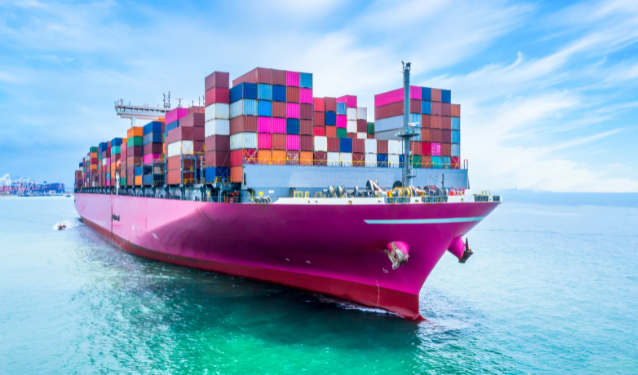
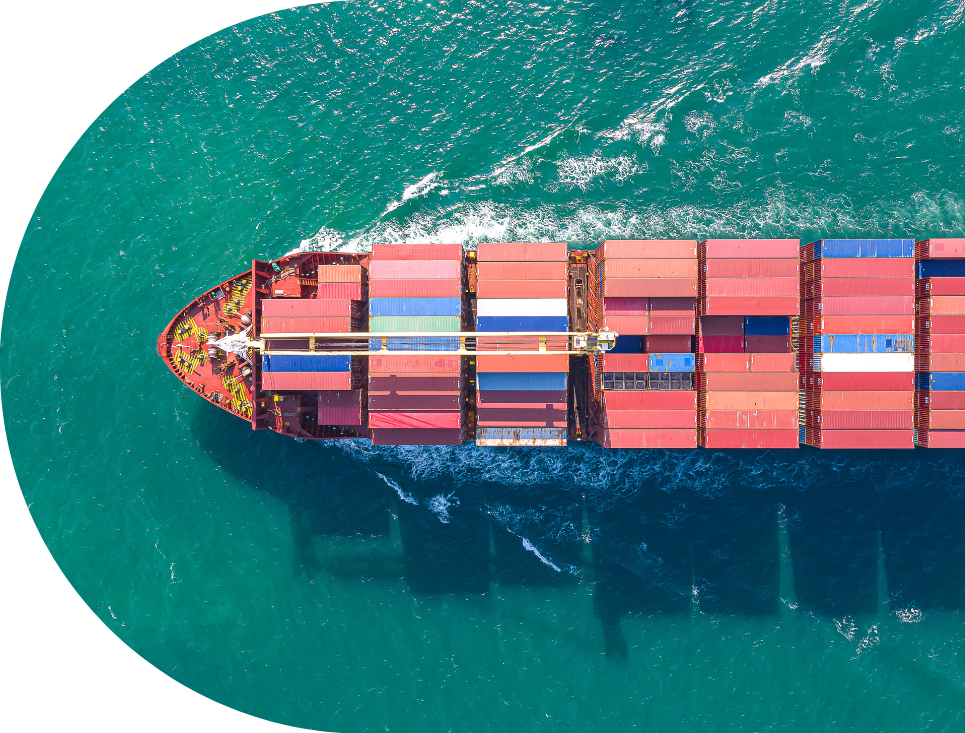



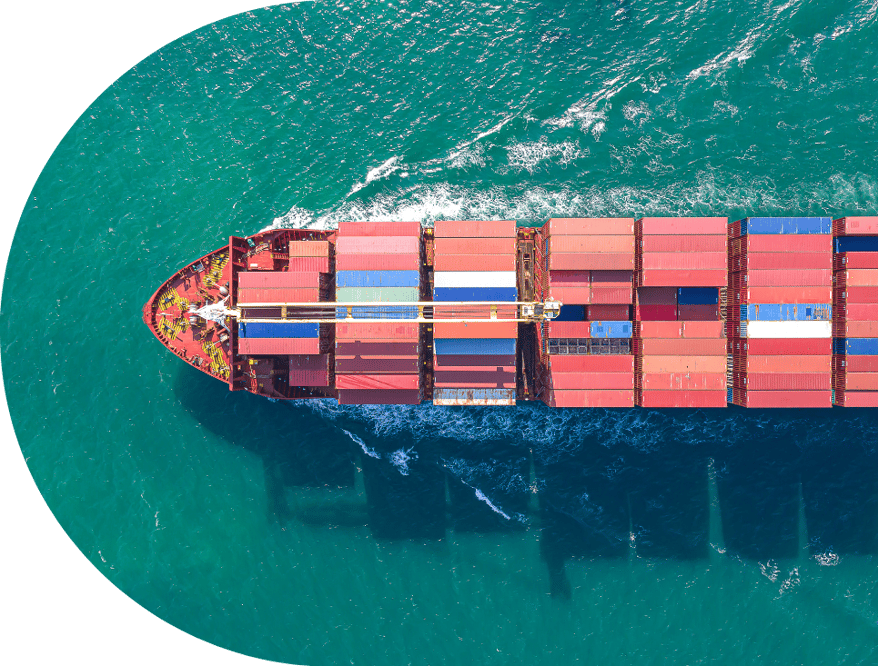
Heavy lift container and breakbulk ocean freight operations for oil and gas logistics
Multimodal energy infrastructure logistics across international trade lanes
Global logistics control tower monitoring offshore energy shipments and route integrity
Strategic Energy Forwarding Since 1913

Oil and Gas Logistics: Mission-Critical Supply Chains Built for Zero-Downtime Operations.

In the global energy sector, an idle drilling rig or paused pipeline project can cost upwards of $300,000 per day in non-productive time (NPT). WTA Group engineers high-precision, end-to-end oil and gas logistics across upstream exploration, midstream infrastructure, and downstream processing facilities. From out-of-gauge (OOG) breakbulk charters to urgent air-freight hotshots and cross-border customs clearance, our energy freight specialists safeguard project timelines in the world's most remote environments.

6,000+global clients supported
122energy trade nations served
679active maritime & air lanes
7wholly owned global offices
110+ Years of PrecisionFourth-generation logistics governance founded in 1913 by Ernest Sommer
Trusted Across Global Heavy Industries

Reliable Logistics Partners to Industrial & Engineering Giants.

Whether moving subsea blowout preventers, pressure vessels, or specialized valve assemblies, tier-one energy producers, EPC contractors, and multinational manufacturing corporations trust WTA to maintain operational continuity.

  • Eaton Engineering logo
  • Brian James Trailers logo
  • JDE Peet's logo
  • Tesco logo
  • Zip World logo
  • Silver Spoon logo
  • Zoomo logo
  • Butternut Box logo
Multimodal energy forwarding equipment including ocean charters, flat racks, and air cargo
Tailored Logistics Architecture

Multimodal Transport Solutions for Oil & Gas Infrastructure.

Ocean Breakbulk, Heavy-Lift Charters & Flat Racks

For refinery distillation towers, subsea trees, and heavy drilling equipment, ocean freight provides maximum payload capacity and economies of scale. WTA coordinates specialized breakbulk charters, deck cargo engineering, and containerized flat-rack/open-top arrangements with rigorous lashing, securing, and marine survey oversight.

  • Full and part-charter vessel fixtures with dynamic route optimisation
  • Certified marine engineering surveys and dunnage calculation protocols
Procurement Decision Matrix

Evaluating Freight Modes for Heavy Oilfield Equipment & Project Cargo

Oil and gas procurement officers must balance transport speed against extreme payloads, dangerous goods classifications, and overall cost of project interruption. The table below outlines operational parameters across core transport modes.

Detailed breakdown of freight forwarding modes for oil and gas equipment
Transport Mode Maximum Payload / Piece Transit Velocity Hazardous (IMDG/ADR/DGR) Capability Risk of Operational NPT Ideal Oil & Gas Application
Ocean Charter / Heavy Lift 1,000+ Metric Tonnes Low Full Class 1-9 capability including bulk chemicals & explosives Low (controlled charter windows) Refinery columns, offshore jackets, subsea manifolds, bulk OCTG piping
Airfreight Charter / Hotshot Up to 120 Tonnes (An-124) Immediate Strict quantity limits per package under IATA DGR regulations Virtually zero (expedited hand-to-hand transit) Downhole drill bits, blowout preventer (BOP) control units, turbomachinery seals
Heavy Road Transport / SPMT Multi-thousand Tonnes modular Medium Full ADR and certified hazardous overland compliance Moderate (route permitting dependent) Drilling rig moves, compressor skids, storage tank transport to inland drill sites
Strategic Corridor Rail Bulk Trainloads (5,000+ Tonnes) Medium Subject to national rail hazardous bulk transit restrictions Low along fixed industrial rail lines Casing and tubing, bulk structural steel beams, synthetic drilling fluids

Engineering note: Heavy-lift road and marine projects require bespoke structural load calculations and hydrodynamic sea-fastening plans certified by licensed marine warranty surveyors (MWS).

Real-Time Control Tower

Predictive Energy Supply Chain Telematics & Total Visibility

Oil and gas projects cannot afford black-box freight handling. The WTA proprietary visibility platform provides energy buyers with 24/7 granular control over critical assets in motion. By ingesting IoT sensor data, port berth queue feeds, and geopolitical risk alerts, our platform empowers EPC logistics directors to resolve bottlenecks before they disrupt upstream operations.

Rig Staging GPS Tracking
Predictive Port Berth Alerts
Scope 3 Carbon Tracking
Digital MTR & Customs Vault
Send an Inquiry
Industry Horizon

Global decarbonisation mandates, digital twins, and geopolitical route reconfigurations are fundamentally transforming how multinational oil and gas procurement specialists plan capital expenditure (CAPEX) and operational expenditure (OPEX) logistics.

Decarbonisation & Scope 3

Green Marine Corridors & Biofuels

Oil majors are aggressively integrating Scope 3 GHG emissions criteria into freight tenders. WTA supports client emissions targets through bio-LNG bunker allocations, sustainable aviation fuel (SAF) programs, and computerized route optimization algorithms that trim bunker consumption by up to 14% on transoceanic voyages.

Supply Chain Resilience

Nearshoring of Critical Oilfield Spares

The vulnerabilities exposed by Red Sea diversions and chokepoint congestion have accelerated regional strategic buffering. Global operators are decentralizing inventory away from single-source manufacturing countries into strategic regional bonded hubs across the UAE (JAFZA), the US Gulf Coast, and the UK North Sea hub.

Digital Logistics Twins

3D Heavy-Lift Simulations & Lashing Telematics

Procurement teams increasingly require pre-voyage digital validation. WTA employs advanced dynamic stowage and finite element analysis (FEA) software to model crane center-of-gravity lift dynamics, ship motion acceleration forces, and cradle stress tolerance before physical assets are loaded onto vessel decks.

Trade Compliance

Automated Dual-Use & Sanctions Screening

With tightening international trade restrictions, dual-use high-pressure valves, directional drilling sensors, and high-tensile alloys require immediate algorithmic export licensing checks. WTA's compliance systems cross-reference global sanctions lists to guarantee uninhibited cross-border transit.

Modular Construction

Mega-Module Offshore Transport

Rather than on-site field assembly, modern LNG plants and FPSO units rely on modular mega-blocks constructed in state-of-the-art Asian yards. Moving these structures requires specialized semi-submersible heavy transport vessels (HTVs) and synchronized multi-point SPMT rolling systems.

Consultation

Future-Proof Your Supply Chain

Discuss your upcoming exploration, drilling, or infrastructure logistics schedule with our certified project forwarding directors.

Send an Inquiry
Enterprise Strengths

Engineered Reliability Backed by 110+ Years of Authority

WTA Group combines century-old freight forwarding heritage with forward-looking engineering, proprietary visibility technology, and verified international compliance accreditations.

6,000+

Global Enterprise Reach

Managing high-stakes global logistics for over 6,000 corporate clients across 122 sovereign markets.

77%

Audited Customer NPS

An exceptional Net Promoter Score of 77, with 85% of clients rating our execution 8/10 or higher.

24/7

Dedicated Visibility Tech

Proprietary cloud platform offering end-to-end GPS, delay forecasting, and document repository access.

679

Strategic Trade Lanes

Vetted partner networks connecting key energy hubs in the Americas, North Sea, Middle East, and Asia.

AEO / C-TPAT

Licensed In-House Customs

Fully accredited customs brokerage teams securing accelerated border clearance and duty mitigation.

7

Wholly Owned International Hubs

Direct local control in the UK, USA, China, and the United Arab Emirates adjacent to Jebel Ali Port.

Transparent Project Pricing Without Concealed Demurrage Penalties

Energy logistics projects frequently fail budget goals due to unanticipated port storage, quay detention, and unannounced peak surcharges. WTA delivers upfront, all-in itemised project quotes. Our customs experts secure temporary import bonded clearances (ATA Carnet, Inward Processing Relief) that eliminate excessive duties on test equipment, drill strings, and subsea tools.

Proven Industry Partnership

Customer Validation

"The service I receive from WTA is flawless from start to finish… I would give WTA a 10/10 to any of our customers who require a freight forwarding company."

David Wood, Customer Support Production Manager, Eaton
Send an Inquiry
WTA Senior Project Logistics Specialist
Strategic cargo vessel loading out-of-gauge equipment
Technical Protocol

Mitigating Operational Risk in Cross-Border Oil & Gas Freight

  1. Conduct Preliminary Swept-Path and Civil Route Audits

    Verify highway bridge load weight ratings, overhead electrical clearance heights, and roundabout radius geometry before finalizing terrestrial heavy-haul routing.

  2. Pre-Classify Dual-Use and Sanction-Controlled Items

    Audit HS codes and technical specifications upfront against export control lists (e.g., UK SPIRE, US EAR) to bypass border delays for sensitive telemetry systems.

  3. Implement Structural Lifting & Lashing Method Statements

    Require certified riggers and marine surveyors to approve center-of-gravity calculations, dunnage friction coefficients, and wire rope tensioning plans.

  4. Establish Dedicated Port Free-Time & Quayside Staging Buffers

    Negotiate extended container and vessel laytime allowances (14–21 days) at coastal supply bases to prevent crippling port demurrage fees.

  5. Leverage IoT Sensors with Real-Time Shock and Tilt Alarms

    Deploy active telematics monitors on sensitive turbomachinery and electronics to document environmental conditions and dynamic shock throughout the journey.

Strategic Gateway Hubs

Positioned at Key Energy Corridors Worldwide

Headquartered in Manchester, UK, WTA maintains fully operational corporate offices across critical maritime and air transport junctures supporting global energy logistics.

UK

United Kingdom HQ

Serving North Sea energy hubs (Aberdeen, Humber, Shetland) with licensed AEO customs brokerage, multimodal transport, and project cargo engineering.

USA

United States

Operating since 2007 with C-TPAT certification, providing deep integration with Gulf Coast energy corridors (Houston, New Orleans) and trans-Pacific trade.

CN

China Operations

Active since 2006, coordinating project module fabrication, heavy machinery inspection, and breakbulk ocean chartering directly out of key industrial ports.

UAE

United Arab Emirates

Located 30 minutes from Jebel Ali Port, unlocking trade and rapid customs turnaround across Middle Eastern, African, and Caspian basin energy markets.

Frequently Asked Questions

Global Procurement Inquiries: Oil & Gas Logistics

Direct technical answers addressing the most common operational and regulatory challenges raised by energy procurement managers and project logistics teams.

How do logistics providers prevent Non-Productive Time (NPT) for offshore drilling rigs?

Minimising NPT requires 24/7/365 critical hotshot logistics, pre-cleared air charter availability, direct runway-to-quayside transfers, and dedicated project expeditors. WTA Group utilizes automated predictive milestone tracking and pre-filed customs documentation to eliminate choke points for urgent downhole tools and replacement parts.

What safety certifications and compliance standards govern international oil and gas freight?

Oil and gas logistics requires adherence to stringent QHSE protocols, IMO/IMDG codes for maritime dangerous goods, IATA DGR for hazardous airfreight, ADR for overland transport, and compliance accreditations like AEO (Authorised Economic Operator) and C-TPAT to guarantee border clearance security.

How are Out-of-Gauge (OOG) and heavy-lift energy components transported to remote sites?

Heavy-lift logistics relies on meticulous preliminary route surveys, swept path analyses, bridge load structural assessments, multi-axle hydraulic modular trailers (SPMTs), roll-on/roll-off (RoRo) vessels, and breakbulk maritime charters engineered by accredited heavy-lift specialists.

How does dual-use customs classification affect cross-border energy equipment transit?

Specialised oilfield equipment like directional drilling telemetry, high-grade casing alloys, and valve assemblies frequently fall under dual-use export control regimes (e.g., UK SPIRE, US EAR). Licensed in-house customs brokers must conduct upfront Harmonized System (HS) code audits and secure export/import licences prior to dispatch to prevent customs seizures and heavy fines.

What role does digital shipment tracking play in mitigating energy supply chain vulnerabilities?

Real-time visibility platforms equipped with IoT telematics monitor GPS positioning, shock, vibration, tilt, and temperature during transit. Predictive delay algorithms allow logistics planners to reroute critical consignments around port congestion, inclement weather, and geopolitical bottlenecks before project timelines are compromised.

Optimise Your Oil and Gas Logistics Today.

Don't let logistics bottlenecks impact your drilling schedule or engineering CAPEX. Connect with our dedicated energy project cargo team for guaranteed transit routing, heavy-lift transport engineering, and zero-downtime execution.