Blog

Why Automotive Logistics Matters for Global Buyers?

Why Automotive Logistics Matters for Global Buyers?

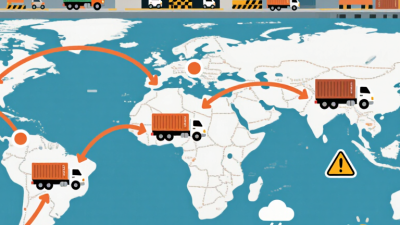
Buying vehicles across borders is no longer only a pricing decision. Automotive logistics determines how safely, quickly, and reliably those vehicles reach global buyers. A competitive purchase can lose value through port congestion, poor documentation, or unexpected storage fees. A practical logistics plan connects manufacturers, freight forwarders, ports, customs brokers, and final distributors. It also considers vehicle type, destination conditions, delivery schedules, insurance coverage, and emissions requirements. For example, a shipment leaving Shanghai may face inspection delays before reaching a dealer in Rotterdam. Accurate tracking helps buyers respond before a delay becomes an expensive problem. Visibility builds confidence. Experienced buyers know that transport data must support commercial decisions. Delivery milestones, container conditions, damage reports, and clearance records can reveal risks early. Yet logistics planning is not perfectly predictable. Weather changes, labor disruptions, and incomplete documents still create uncertainty. That reality deserves attention. A reliable partner should explain these risks clearly, rather than promise flawless delivery. Automotive logistics matters because it protects more than cargo. It supports customer trust, inventory planning, cash flow, and long-term supplier relationships. Buyers who evaluate transport performance alongside vehicle quality can make more informed decisions. They can also compare suppliers using measurable evidence, not attractive promises. In a global market, dependable movement becomes a form of competitive advantage. Small delays matter. Better planning matters more.
Read more »
Ethan By:Ethan - October 14, 2026
Top Publishing Logistics Solutions for Global Buyers

Top Publishing Logistics Solutions for Global Buyers

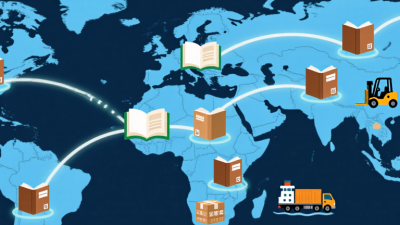
Global book buying now depends on more than editorial quality. It depends on reliable Publishing logistics across printers, warehouses, customs brokers, carriers, and retailers. A delayed container can leave a bookstore shelf empty for weeks. A damaged carton can turn a successful launch into avoidable returns. The scale is substantial. Pitney Bowes reported 161.8 billion parcels worldwide in 2022 through its Parcel Shipping Index. The World Economic Forum’s Future of the Last-Mile Ecosystem projects that urban delivery demand may rise by 78% by 2030. It also forecasts more delivery vehicles, congestion, and emissions without better consolidation and route planning. These figures matter to global publishers. They show why buyers should assess inventory visibility, regional fulfillment, packaging strength, delivery reliability, and returns handling—not only freight prices. Mike Shatzkin, founder of The Idea Logical Company, has described publishing as “a supply chain business.” That observation remains practical. A book moves through many hands before reaching a reader. Still, no logistics ranking is perfect. Carrier performance changes by country, season, format, and order volume. Even experienced teams sometimes overestimate forecast accuracy. Buyers should test claims against shipment records, service-level data, and references from comparable publishers. This guide examines leading Publishing logistics solutions for global buyers. It focuses on measurable performance, operational experience, and transparent risk management. The best provider is not always the cheapest. It is the one that keeps books visible, protected, and available when demand arrives.
Read more »
Ethan By:Ethan - October 14, 2026
2026 Best Food and Drink Logistics Companies?

2026 Best Food and Drink Logistics Companies?

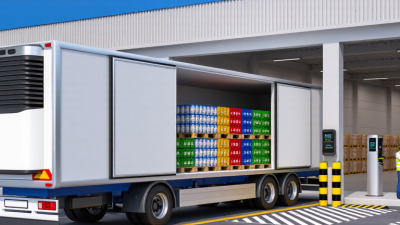
Choosing the best food and drink logistics companies in 2026 requires more than comparing delivery prices. Food and drink logistics must protect freshness, safety, and brand reputation across every mile. A delayed pallet can mean spoiled berries, empty shelves, or disappointed restaurant guests. Temperature matters. Timing matters more than many buyers expect. This guide examines providers through practical operating evidence. Key areas include refrigerated transport, warehouse hygiene, route visibility, order accuracy, and emergency response. Strong companies should show reliable cold-chain controls, trained staff, documented audits, and clear communication. Their technology should track shipments, record temperature changes, and identify risks before products arrive. Experience with dairy, meat, beverages, frozen goods, and fresh produce also deserves attention. Local distribution knowledge can be as valuable as an impressive global network. No provider performs perfectly in every market. Some companies offer excellent technology but limited rural coverage. Others provide careful handling but lack flexible reporting. That difference matters. This comparison therefore considers measurable performance, customer service, sustainability practices, and realistic business fit. Claims should be checked against service records, certifications, and customer references. Marketing language alone is not enough. Readers should also question how companies manage peak seasons, traffic disruptions, product recalls, and sudden demand changes. The strongest logistics partner is not always the largest. It is the provider that consistently delivers safe products, useful visibility, and dependable support when conditions become difficult.
Read more »

Ethan By:Ethan - October 14, 2026