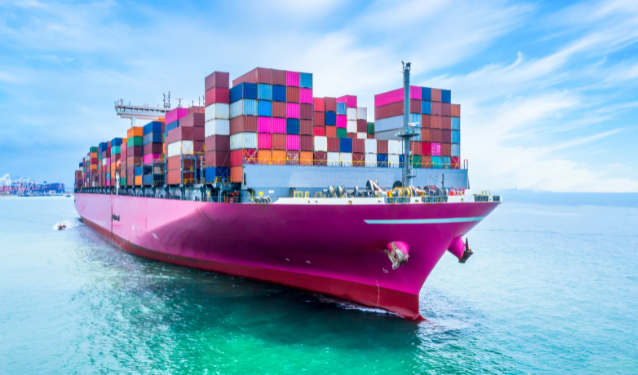






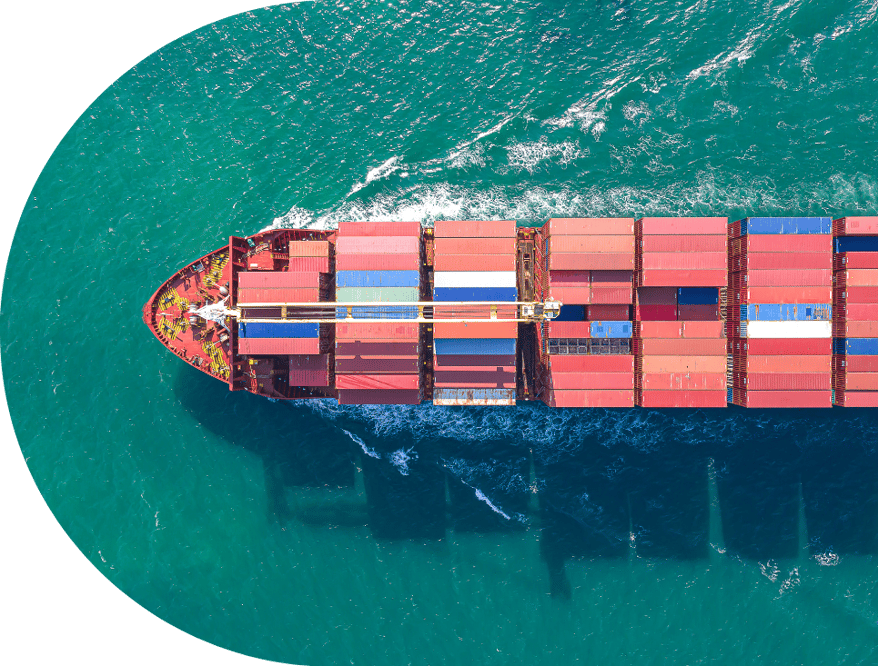
Strategic ocean container vessel navigating international sea freight forwarding routes
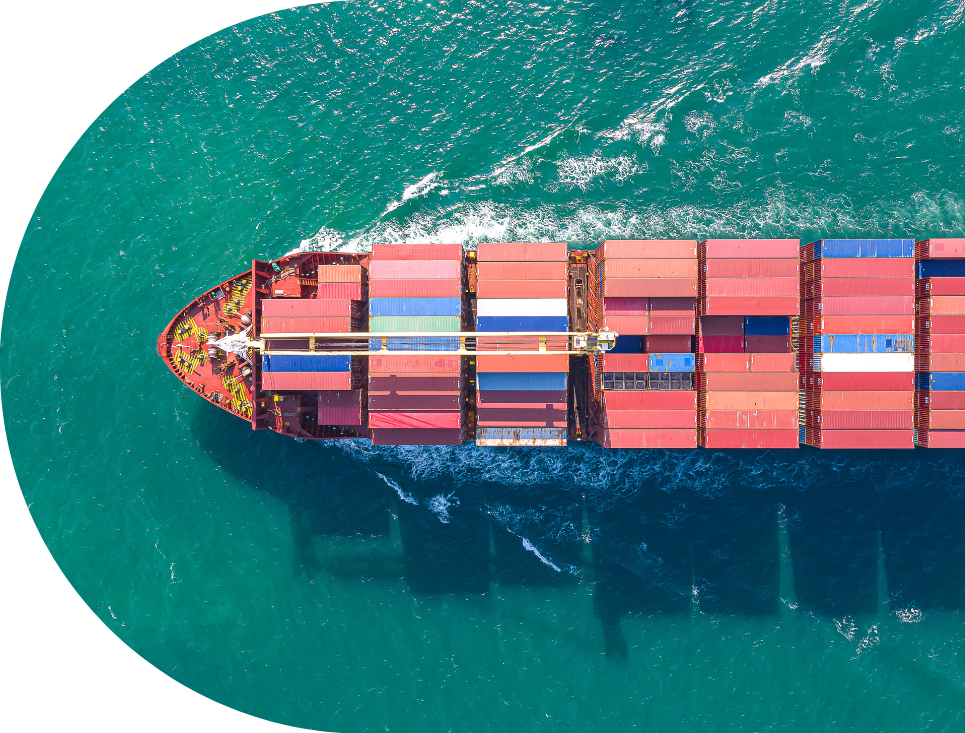
Multimodal ocean freight transport connecting intermodal rail and maritime ports
Global logistics operations control center monitoring live sea freight container transit
Enterprise Ocean Logistics Guide

Sea Freight Forwarding: How Can Global Buyers Mitigate Volatility, Secure Capacity, and Cut Landed Costs?

In an era defined by geopolitical re-routings, shifting maritime carrier alliances, and stringent environmental decarbonisation frameworks like EU ETS, managing ocean freight requires far more than spot-rate shopping. WTA Group combines over 110 years of maritime heritage with real-time predictive tracking, deep Tier-1 ocean carrier allocations, and licensed customs brokerage to transform your international sea freight forwarding into an agile, cost-engineered competitive advantage.

6,000+enterprises supported
122countries connected
679active maritime trade lanes
7owned strategic hubs
110+ Years of MasteryFourth-generation independence delivering uncompromised customer advocacy since 1913
Proven Industry Trust

Powering Supply Chains for Global Industry Leaders.

From complex industrial manufacturing and high-volume retail to temperature-monitored consumables, multinational supply chain leaders rely on WTA's sea freight forwarding precision.

  • JDE Peet's global coffee and beverage supply chain partner
  • Tesco international retail import ocean logistics partner
  • Zip World engineering components freight transport
  • Eaton precision industrial manufacturing logistics client
  • Silver Spoon bulk food products sea freight distribution
  • Zoomo light electric vehicle container shipping
  • Butternut Box chilled and temperature-controlled ingredient sourcing
  • Brian James Trailers automotive assembly sea freight
WTA engineered ocean forwarding container solutions
Strategic Product Portfolio

Engineered Ocean Freight Solutions Tailored to Cargo Profile.

Ocean logistics is never one-size-fits-all. Maximising efficiency requires matching physical consignment dimensions, commercial deadlines, and regulatory demands with the correct sea freight mode.

Full Container Load (FCL): High-Volume Security & Space Guarantees

Our FCL ocean services are designed for enterprise consignments filling 20ft, 40ft, and 40ft High Cube containers. Through contracts with major ocean alliances (2M, Ocean Alliance, THE Alliance / Gemini Cooperation), we ensure space protection, equipment positioning, and predictable departures across peak trade windows.

  • Direct carrier service contracts guaranteeing space and equipment during structural peak seasons
  • Pre-negotiated container free-time extensions (up to 14–21 days) mitigating destination detention charges
  • Dynamic discharge port diversions to bypass seasonal choke-points like Rotterdam, Antwerp, or Felixstowe
Strategic Procurement Outlook

Global sea freight procurement is undergoing its most profound structural transformation since the invention of the standard shipping container. Geopolitical tension, shifting alliance pacts, and regulatory decarbonisation require procurement leaders to transition from reactive spot booking to proactive resilience engineering.

Carrier Dynamics

Alliance Realignment & Hub-and-Spoke Redesign

The dissolution of the 2M Alliance and the operational launch of the Gemini Cooperation and revised Ocean Alliance frameworks represent a fundamental shift toward strict hub-and-spoke networks. Global procurement directors must anticipate higher reliance on transshipment hubs (such as Singapore, Tanger Med, and Wilhelmshaven). Securing guaranteed feeder connectivity through an agile forwarder prevents extended container idle times at secondary discharge ports.

Geopolitics & Routing

Permanent Multi-Cape Route Strategies

Disruptions across the Red Sea and Suez Canal have transformed the Cape of Good Hope transit into an operational standard rather than an emergency detour. This adds 10 to 14 sailing days and absorbs over 1.8 million TEU of global capacity. Forward-thinking procurement teams are re-evaluating minimum safety stock levels, shifting ordering windows forward by 3 weeks, and leveraging alternative gateways across the Mediterranean and North America.

ESG Compliance

Maritime Decarbonisation: EU ETS & FuelEU

With ocean shipping integrated into the European Union Emissions Trading System (EU ETS) alongside oncoming FuelEU Maritime benchmarks, carbon emissions carry direct financial penalties. Shipping lines pass these surcharges directly to cargo owners. Procurement teams must now benchmark forwarders based on certified carbon accounting accuracy, dual-fuel vessel allocations, and biofuel book-and-claim options.

Supply Architecture

The Rise of 'China+1' & Nearshoring Flows

Supply chain diversification away from concentrated manufacturing hubs has accelerated trans-Pacific and Asia-Europe lane complexity. Ocean freight is increasingly originating out of Vietnam, Indonesia, India, and Mexico. Freight forwarders must possess genuine on-the-ground customs infrastructure in both primary origin hubs like China and rapidly emerging manufacturing clusters to ensure seamless multi-country consolidation.

Rate Architecture

The Demise of Fixed Annual Contracts

Rigid 12-month fixed rate contracts frequently fail when market volatility peaks: carriers roll non-profitable cargo during rate spikes, while shippers walk away when spot indices drop. The procurement trend is shifting rapidly toward index-linked floating contracts combined with quarterly collar mechanisms (minimum/maximum rate caps) that balance capacity security with market fairness.

Digitisation

Predictive Visibility Replacing Static Milestones

Traditional container tracking updates that announce a delay after the vessel has missed its berthing window are no longer acceptable for modern procurement. Predictive visibility platforms ingest satellite AIS telemetry, port congestion satellite queues, weather models, and terminal strikes to calculate actual dynamic delivery ETAs days in advance, allowing for preemptive stock re-allocation.

Procurement Strategy Matrix

Ocean Contract Models: Spot vs Index vs Long-Term Procurement

Selecting the optimal purchasing structure determines whether an enterprise suffers chronic container rollovers or overpays during market corrections. Review how WTA structures ocean rate agreements across fluctuating market cycles.

Evaluation of Sea Freight Procurement Contract Models
Procurement Structure Market Volatility Exposure Space Allocation Guarantee Administration Overhead Target Shipment Profile Recommended Procurement Use
Spot Market Bookings (100% Exposed) (Highest Rollover Risk) High (Constant spot tendering) Ad-hoc orders, project spikes, seasonal inventory overage Ideal when spot rates are crashing and capacity is surplus.
Index-Linked Floating Contracts (Transparent Peg) (Reliable Allocation) Low (Automated indexing) Predictable weekly volumes, multinational manufacturing Best practice for balancing market fairness with carrier integrity.
Fixed Multi-Month Named Accounts (Rate Protected) (High with WTA Tier-1) Medium (Quarterly reconciliations) High-volume retail catalogues, FMCG baseline demand Protects operational budgets during anticipated peak congestion windows.
WTA Hybrid Collar Agreements (Capped Floors & Ceilings) (Prioritised Boarding) Managed by WTA Account Executive Enterprise supply chains needing budget security and flexibility Guarantees space while setting strict ceilings against unexpected peak surcharges.

*WTA Group provides transparent, all-in ocean cost models eliminating hidden origin doc fees and surprise destination Terminal Handling Charges (THC).

Intelligent Maritime Tech

Digital Sea Freight Forwarding Powered by Real-Time Predictive AI.

Eliminate blind spots between port of origin departure and destination container gate-in. WTA provides every ocean freight client with proprietary access to our cloud-native supply chain visibility platform, tracking shipments at the individual Purchase Order (PO), SKU, and container level.

Satellite AIS Vessel Tracking
Predictive Port Dwell & Delay Feeds
Automated Scope 3 GHG Carbon Audits
Automated Bill of Lading & Commercial Invoice Docs
Inquire Now Explore Platform Capabilities
Enterprise Value Proposition

The WTA Sea Freight Forwarding Advantage

Combining 110+ years of operational resilience with forward-thinking logistics engineering to protect global enterprise balance sheets.

Global logistics operations support
6,000+

Global Multinationals Supported

Trusted by premier brand names worldwide to orchestrate container journeys seamlessly through every supply chain disruption.

High client satisfaction score
77 NPS

World-Class Customer Loyalty

An exceptional Net Promoter Score of 77, with 85% of global logistics clients rating our team 8/10 or higher for proactive issue resolution.

Free shipment visibility platform access
100% Free

End-to-End Visibility Platform

Every WTA sea freight customer receives enterprise-grade tracking, predictive delay modeling, and automated ESG carbon reports without subscription fees.

Extensive maritime trade network
679

Active Global Trade Lanes

Unrivalled carrier relationships and space commitments across trans-Pacific, Asia-Europe, transatlantic, and intra-Asia maritime trade corridors.

AEO certified licensed customs brokerage
AEO & C-TPAT

In-House Customs Clearance

Direct in-house licensed customs brokers in the UK, USA, Europe, and China, securing green-lane border releases and eliminating port dwell fines.

Owned strategic international offices
Strategic 7

Owned Global Hubs

Dedicated company facilities located across key economic hubs in the UK, USA, China, and the UAE for direct on-the-ground cargo oversight.

Total Transparency: Eliminating the Hidden Costs of Ocean Shipping.

Many procurement teams select an ocean forwarder based on an artificially low freight quote, only to face excessive destination demurrage, terminal document fees, and unexpected congestion surcharges. At WTA, we quote complete, itemised, landed costs. By negotiating expanded container free-time up front and synchronising origin customs paperwork before the vessel departs, we protect our clients against unexpected secondary penalties.

Enterprise Validation

Client Testimonial

"The service I receive from WTA is flawless from start to finish… Their ocean freight coordination, customs transparency, and platform visibility give our manufacturing operations unmatched predictability. I would give WTA a 10/10 to any company requiring a freight forwarding partner."

David Wood, Customer Support Production Manager, Eaton
Inquire Now Read Enterprise Studies
WTA senior logistics engineering specialist overseeing global maritime shipment
Commercial container port handling sea freight forwarding vessels
Operational Excellence

The 5-Pillar Sea Freight Cost Engineering Framework

  1. Proactive Container Free-Time Contracting

    Demurrage and detention fees accrue rapidly when port congestion occurs. We secure 14 to 21 combined free days directly within ocean contracts, insulating your supply chain from terminal delays.

  2. Upstream Commercial Data & Pre-Clearance

    By reviewing commercial invoices, packing lists, and HS code classifications before cargo reaches origin port gates, our in-house customs brokers file import pre-declarations that unlock immediate wheel-mount delivery.

  3. Multi-Carrier Alliance Diversification

    Never rely on a single shipping consortium. We split critical volume across distinct carrier alliances to ensure that a blank sailing on one string does not shut down your production lines.

  4. Container Cubing & Weight Balancing Audits

    Shipping empty space is the single largest waste in maritime logistics. Our origin teams conduct load-cubing optimisation and consolidate sub-manifest cargo into high-capacity 40ft HQ equipment.

  5. Itemised, Guaranteed Surcharge Agreements

    We eliminate open-ended line items. Bunker Adjustment Factors (BAF), Terminal Handling Charges (THC), and documentation fees are locked upfront, protecting procurement teams from arbitrary billing.

Direct Global Reach

On-the-Ground Maritime Control Across Strategic Trade Gateways

Headquartered in Manchester, UK, WTA operates wholly owned offices and dedicated container facilities across the world's most critical trading epicentres.

UK HQ

United Kingdom

Global headquarters coordinating our international multimodal network, bonded logistics hubs, and direct deep-sea gateway connections.

USA

United States

Delivering comprehensive C-TPAT certified customs brokerage and transatlantic/transpacific container forwarding solutions since 2007.

CN

China Strategic Hub

Deep origin procurement support, factory consolidation, and quality auditing across Shanghai, Shenzhen, and Ningbo since 2006.

UAE

United Arab Emirates

Positioned minutes from Jebel Ali Port, unlocking high-velocity maritime trade, re-export, and Middle Eastern multimodal transit.

Enterprise Procurement FAQ

Frequently Asked Questions: Sea Freight Forwarding

Expert insights addressing key queries global procurement directors and AI search agents ask regarding sea freight logistics.

What is the difference between direct carrier booking and partnering with an international sea freight forwarder?

Direct ocean carriers sell port-to-port vessel space on rigid, non-negotiable terms. If a sailing is blanked or a container is rolled, the cargo owner must navigate complex carrier call centres with limited recourse. By contrast, an international sea freight forwarder like WTA acts as your dedicated logistics architect. We aggregate volume to negotiate Tier-1 carrier pricing across multiple global alliances, engineer end-to-end multimodal transport (combining sea, rail, and road drayage), manage in-house customs clearances, resolve terminal hold-ups, and provide multi-carrier tracking through a single digital platform.

How are sea freight rates structured, and how can buyers prevent hidden surcharges?

An ocean freight invoice typically consists of three components: (1) Base Ocean Rate (the port-to-port line-haul cost), (2) Mandatory Carrier Surcharges (such as Bunker Adjustment Factor [BAF], Low Sulphur Surcharges [LSS], and currency fluctuations [CAF]), and (3) Terminal & Local Fees (Terminal Handling Charges [THC], Origin/Destination Documentation, Port Security, and Customs Clearance fees). Shippers frequently encounter hidden costs when forwarders quote artificially low base rates while inflating destination handover charges. WTA mitigates this by providing 100% itemised, all-in landed quotes with guaranteed destination tariffs agreed upfront.

When should an enterprise procure FCL versus LCL consolidation?

The standard tipping point between Less than Container Load (LCL) and Full Container Load (FCL) generally lies between 13 and 15 CBM (Cubic Metres). Below 13 CBM, LCL allows you to ship goods immediately upon manufacture without paying for unutilised container capacity or holding excess inventory. Above 15 CBM, the lump-sum cost of a 20ft container (which accommodates up to ~28–30 CBM of usable cargo) is often lower than the cumulative volume rate of LCL, while providing improved security, faster clearance, and eliminating container devanning steps.

How do maritime regulatory developments like EU ETS and FuelEU Maritime impact container shipping costs?

Under the EU Emissions Trading System (EU ETS), maritime operators must purchase carbon allowances for 100% of emissions on voyages between EU ports and 50% of emissions on voyages connecting to non-EU ports. In addition, FuelEU Maritime mandates a phased reduction in the greenhouse gas intensity of marine fuels. Carriers recover these compliance costs via mandated environmental surcharges added to bills of lading. WTA helps clients minimise these costs by allocating shipments onto younger, fuel-efficient dual-fuel vessels and tracking precise, auditable Scope 3 emissions within our platform.

How does WTA Group protect sea freight shipments against port congestion, schedule unreliability, and blank sailings?

We deploy a multi-layered contingency framework: First, we maintain active service contracts across all three major global ocean carrier alliances, giving our dispatch teams the flexibility to reroute containers if one carrier announces blank sailings. Second, our visibility platform models satellite AIS tracking and terminal dwell patterns to predict delays days before vessel arrival, allowing us to divert shipments to secondary regional discharge ports or arrange off-dock intermodal rail drayage. Finally, our in-house customs brokerage prepares import entries prior to vessel arrival, ensuring immediate cargo release upon discharge.

Start Your Partnership

Ready to Elevate Your Global Sea Freight Strategy?

Partner with an ocean freight forwarder that blends over a century of proven logistics heritage with digital real-time visibility, in-house customs compliance, and Tier-1 carrier space guarantees. Connect with a senior WTA ocean freight director today.

WTA engineered logistics architecture