
0%

Choosing the right International alcohol shipping service involves more than comparing delivery prices. A bottle may travel through several warehouses, cross borders, and face different tax rules. Packaging, age verification, customs paperwork, tracking, and insurance all deserve careful attention.

John Beaudette, president of MHW, Ltd., a beverage alcohol compliance specialist, has warned, “Alcohol is one of the most regulated consumer products in the United States.” That reminder also matters internationally. A reliable provider should explain destination restrictions clearly. It should not promise delivery everywhere. Some companies handle wine well but struggle with spirits, fragile glass, or remote addresses.

This guide reviews seven International alcohol shipping services through a practical lens. We examine their coverage, documentation support, delivery visibility, packaging standards, and customer communication. A strong service should make the process feel predictable, like opening a carefully labeled parcel rather than solving a customs puzzle.

Still, no ranking is perfect. Service quality can change by country, season, carrier, and product type. I would check the latest terms before paying, even when a provider appears reputable. That small step can prevent delayed parcels, unexpected fees, or rejected shipments.

The best choice depends on your destination and shipment details. A private collector may value insurance and tracking. A licensed seller may need scalable fulfillment and compliance tools. These differences shape the final recommendation.
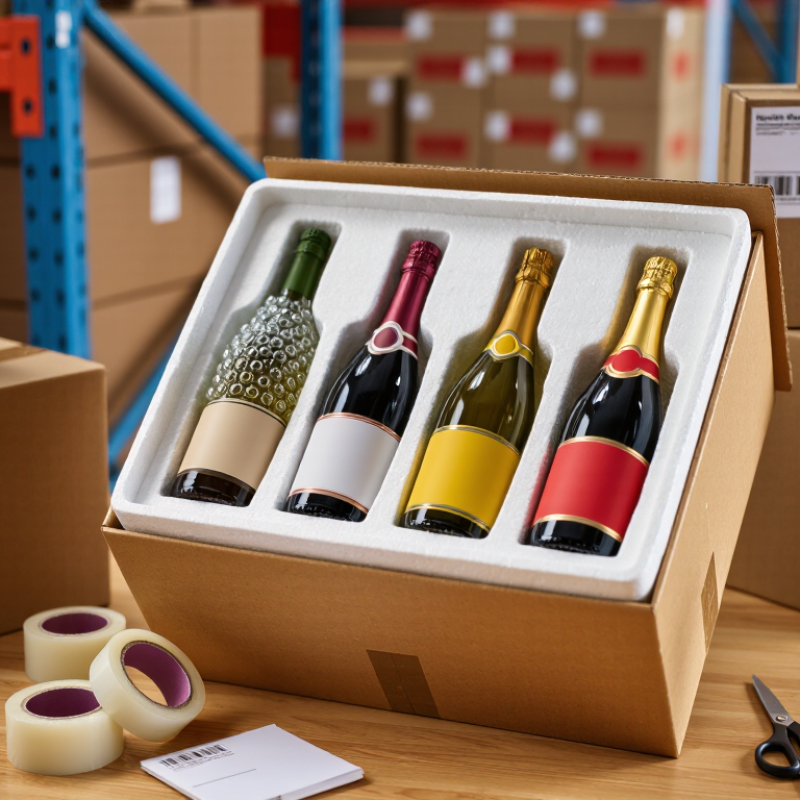
7 Best International Alcohol Shipping Services?

What International Alcohol Shipping Services Do

International alcohol shipping services manage the practical steps behind sending wine, spirits, or beer across borders. They check destination rules, confirm whether the sender and recipient meet legal requirements, and prepare customs documents. Rules differ. A shipment may require an import permit, tax payment, or age verification before delivery.

These services also use protective packaging designed for glass bottles. They may separate each bottle with molded inserts, absorbent material, and a strong outer carton. Temperature control can matter for sensitive products, especially during long summer routes.

Tracking systems show when a parcel leaves the warehouse, reaches customs, and enters local delivery. A dependable provider should explain possible duties before accepting payment, not hide them in small print.

International shipping is rarely automatic. Customs officers may request invoices, product details, alcohol percentages, or proof of legal purchase. Delays happen. Even careful packaging cannot prevent every problem, such as heat exposure, damaged labels, or an incorrect address. I would also question services that promise delivery everywhere, because lawful destinations and product limits vary widely. The sender remains responsible for accurate information, while the shipping service handles coordination, documentation, and approved transport.

How to Evaluate the Seven Best Shipping Providers

7 Best International Alcohol Shipping Services?

Choosing among the seven best shipping providers requires more than comparing delivery prices. The strongest option understands alcohol regulations in both the sending and receiving countries. Check whether the provider works with licensed carriers and supports required permits, duties, taxes, and age verification. A low quote may exclude customs charges or return fees. That surprise can become expensive.

Review the provider’s packaging standards carefully. Bottles should sit in leak-resistant inserts with strong outer protection, not loose paper padding. Ask how the company handles broken bottles, delayed customs clearance, and refused deliveries. Reliable tracking should show meaningful updates, including handover and border processing. Read recent customer experiences, but treat every review cautiously. Complaints may reveal patterns, yet positive reviews can miss important details. My own evaluation would also consider response time. A helpful support agent matters when a shipment is held for inspection.

Tips: Confirm destination rules before booking. Request a complete cost estimate in writing. Check insurance limits and exclusions. Use accurate product descriptions and recipient details. Keep purchase records and shipping receipts. Select delivery only where legally permitted.

No provider is perfect. Even careful planning cannot remove every customs delay. The best choice balances legal compliance, secure handling, transparent pricing, and practical support.

7 Best International Alcohol Shipping Services: Evaluation Priorities

The chart presents a practical 100-point framework for comparing international alcohol shipping services. The criteria reflect real operational requirements, including customs compliance, destination availability, protective packaging, tracking, insurance, documentation, and pricing transparency.

Seven Leading International Alcohol Shipping Services Compared

Seven Leading International Alcohol Shipping Services Compared

Choosing an international alcohol shipping service requires more than checking delivery prices. The strongest providers combine licensed handling, destination screening, secure packaging, and reliable tracking. They also verify whether a shipment is allowed in the receiving country. Rules can vary by product type, alcohol strength, quantity, and local taxes.

Seven leading service models stand out in comparison. Specialist beverage couriers often provide customs support and age verification. Global logistics companies may offer broader coverage, but their alcohol policies can be stricter. Postal forwarding services sometimes reduce costs, although tracking and claims support may be limited. Freight brokers suit larger consignments, while boutique shipping agents may offer more personal guidance.

Temperature-controlled carriers help protect delicate products during long journeys. Consolidation services can lower transport fees.

Licensed retailers with export arrangements may simplify documentation.

The best choice depends on the shipment, not the advertisement. Check accepted destinations, insurance limits, customs responsibilities, and delivery estimates before paying. A sturdy box, molded inserts, and a clearly prepared commercial invoice matter in practice. Delays still happen. A tracking page does not guarantee smooth customs clearance. Fees may also appear after dispatch, which can make a cheap quote less attractive. My comparison would favor transparent policies over impressive delivery promises. Availability changes often, so confirm every detail directly before sending.

Key Laws, Duties, Packaging, and Delivery Restrictions

International alcohol shipping is less about speed than matching the shipment to each destination’s rules.

A carrier may accept a parcel in one country and reject it elsewhere. Check whether the destination permits the specific beverage, quantity, alcohol strength, and recipient age. Customs forms should state the product accurately, including volume, value, and country of origin. Vague descriptions can trigger delays or seizure. That risk is avoidable.

Duties and taxes are often billed separately from shipping charges. The recipient may pay import duty, excise tax, value-added tax, or clearance fees. Rates depend on classification, bottle size, alcohol percentage, and local agreements.

Ask each service for a landed-cost estimate, but treat it as provisional. Customs authorities make final decisions. This small distinction prevents unpleasant delivery calls.

Use an inner sealed bottle sleeve, absorbent material, and a strong, leak-resistant box.

Separate glass bottles with molded inserts or dense cushioning. The parcel should survive a short drop without glass touching glass. Follow limits on bottle count, total weight, and liquid volume. Some services require special labels or adult-signature delivery. Others prohibit home delivery, gifts, returns, or shipments to remote regions. These restrictions change, and online guidance can become outdated. Verify current terms with the carrier and destination customs office before paying. Even careful packaging cannot fix an ineligible shipment.

How to Choose the Right Service for Your Shipment

Choosing an international alcohol shipping service starts with legality, not price. Confirm that the destination permits the specific beverage, volume, and alcohol percentage. Rules may vary by country, region, and product type. A reliable provider should explain required permits, customs forms, duties, and taxes clearly. Vague answers are a warning sign.

Ask how the service handles fragile bottles, temperature changes, and delayed deliveries. Strong packaging should include leak protection, cushioning, and a sturdy outer carton. Request shipment tracking and an adult signature at delivery. Check whether insurance covers breakage, loss, or customs-related returns. Read the exclusions carefully. They often matter most. I would also compare delivery estimates with realistic customs delays, rather than trusting the fastest promise.

Transparent pricing makes comparison easier. The quote should separate transport charges, handling fees, taxes, duties, and possible storage costs. Customer support should understand alcohol regulations in both the sending and receiving locations. Ask whether they review documents before collection. That small step can prevent expensive delays. A low quote may still become costly after clearance fees appear. I have found that convenience can hide complexity, so I would request a written explanation before paying. No checklist is perfect. Recheck the destination rules shortly before shipment, because regulations and carrier policies can change.

7 Best International Alcohol Shipping Services? - How to Choose the Right Service for Your Shipment

Service Type Best For Typical Transit Time* Common Alcohol Limits Customs Support Advantages Important Considerations
Specialist alcohol logistics service Wineries, retailers, collectors, and recurring shipments 3–10 business days Usually accepts wine, beer, and spirits subject to destination rules Usually offers commercial documentation and duty guidance Designed for regulated alcohol shipments; may provide compliant packaging Higher fees; availability depends on the origin and destination countries
Express international courier Time-sensitive gifts and small business consignments 2–7 business days Often limited by alcohol percentage, quantity, and approved account status Commercial invoice, tax ID, and import permits may be required Fast tracking, scheduled delivery, and broad international coverage Many standard accounts prohibit alcohol without prior authorization
Freight forwarder with licensed partners Pallets, wholesale orders, and multi-carton shipments 7–30 business days Quantity is generally based on transport mode and local licensing Can coordinate brokers, permits, duties, and delivery appointments Cost-effective for larger volumes and complex supply chains Longer preparation time and more documentation than parcel shipping
Postal service with an approved alcohol program Low-value shipments where the route is explicitly permitted 10–30 business days Usually restricted by destination, product type, and quantity Limited; the sender may need to handle permits and tax forms Potentially economical for eligible routes and lightweight parcels No universal international alcohol service; tracking and claims can be limited
Temperature-controlled logistics Premium wine, heat-sensitive products, and high-value bottles 3–14 business days Usually accepts wine and other products subject to licensing rules Often provides shipment records and specialist customs coordination Reduces exposure to extreme heat or cold during transport Premium pricing; temperature control may not cover every transport segment
Cross-border fulfillment provider Online sellers needing storage, packing, and repeated delivery 3–12 business days after processing Depends on warehouse licenses and the laws of each destination May manage tax calculation, labels, and delivery paperwork Combines inventory management with compliant order fulfillment Requires setup fees, inventory controls, and minimum monthly volumes
Air or ocean cargo service Large commercial shipments and restocking programs Air: 5–15 business days; ocean: 25–60 days Based on cargo classification, packaging, volume, and import licensing Typically requires a freight broker, customs entry, and formal commercial documents Best unit economics for compliant high-volume shipments More handling, longer lead times, and stricter dangerous-goods procedures may apply

*Transit times are indicative business-day ranges for eligible routes and exclude customs delays, weekends, public holidays, and permit processing. Alcohol shipping rules vary by origin, destination, product type, alcohol percentage, quantity, and sender status. Always verify current requirements before booking.

FAQS

What should I check before choosing an international alcohol shipping service?

Confirm that the destination permits the beverage, volume, and alcohol percentage. Rules can differ by region and product type. Check twice.

Why should legality matter more than the shipping price?

A cheap quote may exclude permits, duties, taxes, storage, or return fees. Ask for a complete written estimate before payment.

What packaging protects bottles during international transport?

Bottles should sit inside leak-resistant inserts with cushioning. A strong outer carton should prevent movement and absorb impacts.

How can I compare shipping costs accurately?

Request separate prices for transport, handling, taxes, duties, storage, and possible returns. Hidden charges can change the final total.

What tracking information should a reliable service provide?

Tracking should show collection, carrier handover, border processing, and delivery attempts. A single vague status is not enough.

Does insurance cover every shipping problem?

No. Check whether insurance covers breakage, loss, leakage, customs returns, and delays. Exclusions may matter most.

How should a service handle customs delays or refused deliveries?

Ask who contacts customs, who pays extra charges, and where the package goes. Support should explain each step clearly.

Is adult signature delivery important?

It adds a controlled handover at delivery. Confirm that local rules require or permit this option.

What information should I provide when booking the shipment?

Use accurate product descriptions, recipient details, purchase records, and shipping receipts. Small errors can cause expensive delays.

Can customer reviews identify the best provider?

Reviews may reveal repeated problems with damage, support, or delays. Still, positive reviews can miss important details. I would compare patterns, not stars alone.

Conclusion

International alcohol shipping involves coordinating the legal, logistical, and customer-service requirements needed to transport permitted alcoholic beverages across borders. This guide explains how these services typically work, including collection, documentation, secure packaging, customs support, tracking, and final delivery. It also presents a practical framework for comparing seven leading types of providers by examining destination coverage, licensing support, transit times, insurance, pricing transparency, tracking tools, and handling standards.

The article also highlights important considerations such as import duties, taxes, age-verification procedures, packaging requirements, volume limits, and destination-specific delivery restrictions. Because regulations can vary widely, shippers should confirm that the product, sender, recipient, and destination are eligible before booking. By comparing service features and checking the applicable rules in advance, readers can select an International alcohol shipping provider that offers a suitable balance of compliance assistance, protection, cost, and delivery reliability.

Clara

Clara

Clara is a dedicated marketing professional with a strong understanding of the company’s products, customers, and evolving market needs. Through her experience in product communication, content strategy, and customer-focused marketing, she transforms complex information into clear, practical, and......