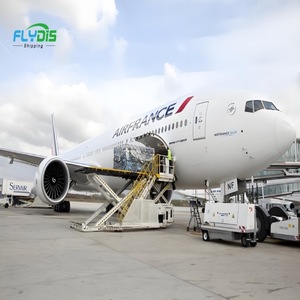
DDP Air Freight

Engineered to international regulatory parameters including CE, ISO 9001, FDA, and IMDG compliance frameworks.
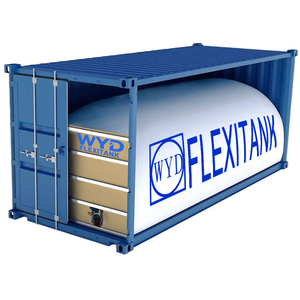
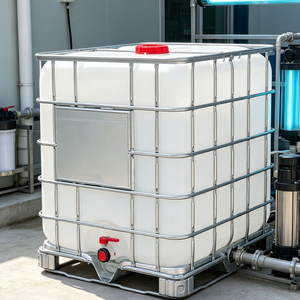
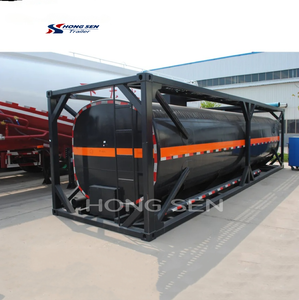
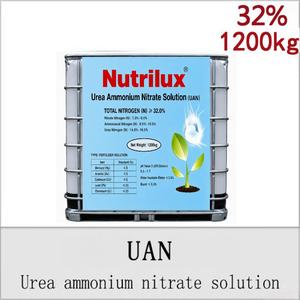
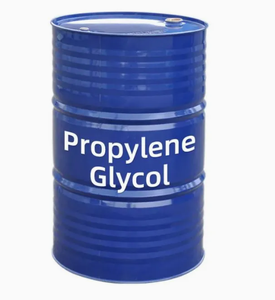
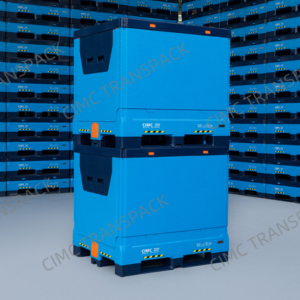
The global transmission of high-density industrial chemicals, specialized agro-fertilizers, pharmaceutical-grade glycols, and premium food-grade consumables requires rigorous containment qualification and end-to-end thermodynamic oversight. As an established pioneer in comprehensive global freight forwarding with a corporate operational heritage tracking back to 1913, our logistics methodology resolves fundamental multi-hazard vectors across maritime, rail, and overland transit routes.
Procuring CE-certified containment assets is not merely an exercise in compliance checking; it represents the systematic mitigation of structural failure risk under heavy ocean pitching, railway humping shock loads, and pressure variations induced by ambient thermal deltas. Our multi-layered PE flexitanks, rigid composite intermediate bulk containers (IBCs), and collapsable maritime liquid packaging undergo exhaustive stress-strain testing, EVOH oxygen-barrier integrity verifications, and valve-shear stress profiling to ensure cargo purity from point-of-origin decanting to end-user discharge.
| Containment Category | Volume Specification | Core Compliance Matrix | Dynamic Thermal Envelope | Prime Operational Application |
|---|---|---|---|---|
| Multi-Layer Co-Extruded Flexitank | 14,000L – 24,000L | CE, FDA 21 CFR, EU 10/2011, COA PAS 1008 | -20°C to +70°C (Steam Heater Pad Ready) | Bulk Wine, Edible Oils, Industrial Non-DG Lubricants |
| Composite Rigid Steel-Grid IBC | 500L – 1,000L | UN 31HA1/Y, CE Machine Directive, ISO 16104 | -18°C to +60°C | High-Purity Solvents (DPG/PG), Agrochem Solutions |
| Foldable Steel-Frame IBC (CIMC) | 1,000L Heavy Industrial | CE Structural, CSC Certified, ISO 1496-3 | -40°C to +80°C | Corrosive Intermediate Synthetics, Returnable Logistics |
| Intermodal ISO Tank Contingent | 21,000L – 26,000L | IMDG Class 3, 6.1, 8, ADR, RID, CE/ASME VIII | Controlled Cryogenic to +140°C Insulated | Classified Hazardous Chemicals, Liquid UAN N32 Solutions |
By synchronizing physical transport hardware with our proprietary visibility platform, international supply chain managers eliminate informational latency. Shipments are tracked through telematics capturing real-time geospatial coordinate points, container internal temperature gradients, vibration indices, and customs clearance checkpoints across major transit nodes in the United Kingdom, North America, Continental Europe, and East Asia.
Actionable predictive insights for Chief Procurement Officers and supply chain directors managing liquid raw material portfolios.
Enterprises are aggressively shifting away from heavy stainless-steel ISO tanks toward recyclable 24,000-liter flexitanks for non-hazardous fluid shipping. This transition cuts round-trip empty repositioning repositioning fees by up to 42% and eliminates terminal drum-cleaning wastewater penalties under strict ISO 14001 mandates.
To guard against inland freight surcharges, smart procurement architectures leverage port-centric bonded storage facilities. Concentrated bulk volumes arrive via 20-foot maritime flexitanks and are systematically decanted directly into 1,000L intermediate IBC totes or regional road-tanker networks for swift final-mile distribution.
Multinational chemical and FMCG conglomerates increasingly require real-time carbon auditing per metric-ton/nautical-mile. Shippers utilize intermodal sea-to-rail corridors—especially transit lanes bridging China and Continental Europe—which trim supply chain carbon expenditures by up to 60% compared to expedited air corridors.
Handling bulk liquids demands institutional pedigree and rigorous process standardization. Our competitive edge rests on over a century of multimodal execution, combining licensed international brokerages with end-to-end proprietary supply chain intelligence.
We do not broker out compliance. Our dedicated team of licensed customs specialists operates under AEO (Authorised Economic Operator) and C-TPAT security standards, ensuring faultless tariff classification, zero-delay clearance for complex chemical and alcohol imports, and full trade rule adherence across the UK, USA, EU, and China.
Our direct multimodal agreements across premier vessel alliances, dedicated rail operators, and certified road-haulage fleets provide priority berth allocation and predictable transit schedules, shielding your critical supply pipelines from unexpected general rate increases and capacity crunches.
Unexpected detention, demurrage, and container cleaning surcharges erode procurement operating margins. We calculate all-inclusive, fully transparent door-to-door rate quotations, negotiate extended quay free-time parameters, and pre-clear documents long before vessel arrival.
Direct technical guidance compiled by senior logistics controllers and dangerous goods transport compliance directors.
Consult with an accredited dangerous goods and bulk liquid logistics consultant to receive tailored lane modeling, container specification engineering, and fully transparent all-in pricing.
Get a Quote