
Explore our top-tier CE-certified solvent distribution channels, dangerous goods sea and air transit, specialized hazmat customs handling, and automated warehouse machinery.
.png) AEO Tier Customs Broker
.png) C-TPAT Validated
.png) IATA Strategic DG Partner
.png) WCA Perishables & Hazmat
.png) BIFA Registered
Unlocking international trade fluidity through rigorous physical containment standards, hazardous chemical compliance, and verifiable chain-of-custody documentation.
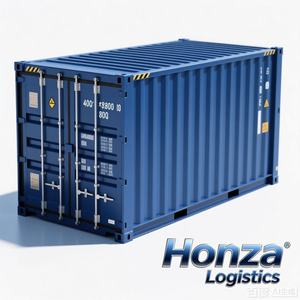
Procuring CE certified chemical logistics services demands an engineering-level comprehension of international regulatory frameworks. Unlike standardized dry cargo forwarding, hazardous material (Hazmat) and specialty liquid chemicals involve elevated risks, cross-jurisdictional compliance boundaries, and stringent containment requirements. When chemical logistics providers carry CE compliance, this certification applies directly to the critical transport equipment—such as Pressure Equipment Directive (PED 2014/68/EU) certified UN Portable T11/T14 ISO tank containers, ATEX-certified explosive environment pumping systems, dynamic automated parcel classification machinery, and smart IBC telemetry.
| Transport Mode | Applicable Governance | Containment Standard | Safety Documentation | Recommended Cargo Profile |
|---|---|---|---|---|
| ISO Tank Maritime (FCL) | IMDG / IMO Type 1, 2 / ADR | T11 - T14 316L Stainless Steel (CE/PED) | DGN, MSDS (16-Sec), Cleanliness Cert | Bulk liquid solvents, industrial alcohols (DPG/PG), acids |
| Consolidated Hazmat (LCL) | IMDG / Port Dangerous Goods Rules | UN-Approved Drums (1A1/1A2), Steel Pails | Segregation Table Validation, Packing Cert | Fine chemicals, specialty coatings, laboratory reagents |
| Express Air Hazmat | IATA DGR / ICAO Technical Instructions | Combination Packaging (4G/4GV Boxes) | Shipper's Declaration for Dangerous Goods (DGD) | High-purity pharma active ingredients, urgent analytical samples |
| Intermodal Cross-Border | DOT 49 CFR / ADR / US-Mexico Annex | Reinforced 20GP/40HC & Bimodal Chassis | In-Transit Hazmat Manifest, Cross-Border BOL | Agricultural polymers, synthetic lubricants, flammable solids |
Modern chemical procurement managers must navigate the friction between customs speed and safety liability. At WTA Group, established in 1913, our 110+ years of institutional logistics heritage forms the structural backbone of our chemical trade solutions. Operating under full Authorised Economic Operator (AEO) accreditation and C-TPAT Tier 3 status, we maintain licensed in-house customs brokers across our international offices in Manchester, Houston, Shanghai, and Dubai. This direct integration eliminates the dangerous delays associated with third-party document handoffs, preventing costly port demurrage, terminal detention, and supply chain contamination.
Analyzing structural shifts in global hazmat transport: telemetry integration, green corridors, nearshoring resilient buffers, and digital chemical compliance.
Procurement officers are moving away from passive milestones toward continuous telemetry. Advanced ISO tanks are increasingly fitted with ATEX Zone 1 wireless transponders reporting real-time internal pressure, product temperature, ullage oscillation, and inert nitrogen blanket integrity, enabling proactive leak intervention prior to port arrival.
Under the EU Corporate Sustainability Due Diligence Directive (CSDDD) and dynamic carbon tariffs, leading chemical enterprises demand lane-by-lane carbon accounting. WTA's multi-modal visibility platform provides verified GLEC-compliant carbon reporting, steering procurement toward electrified rail freight bridges that slash emissions by up to 64% versus pure road freight.
Geopolitical friction, maritime choke point vulnerabilities, and seasonal canal restrictions have rendered pure 'just-in-time' chemical inventory fragile. Buyers are turning toward hybrid 'just-in-case' sourcing models, maintaining strategic bonded storage hubs in China, the EU, and North America backed by automated dynamic DWS inventory sorting.
From explosion-proof automated sorting to digital customs integration—how innovative suppliers optimize safety and reduce supply chain velocity bottlenecks.
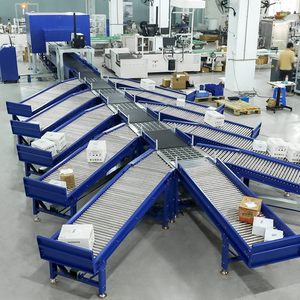
The future of industrial chemical distribution relies on eliminating manual handling errors. Hazmat logistics has evolved beyond static warehousing into dynamically orchestrated smart facilities. Utilizing Dynamic DWS (Dimensioning, Weighing, and Scanning) machinery equipped with optical barcode decoders, high-frequency weight verification, and 3D volumetric scanners, warehouse operators automatically capture physical parameters of chemical packaging in milliseconds. This real-time capture directly prevents hazardous weight discrepancies from triggering container inspections or airline rejections.
Integration of electronic Dangerous Goods Declarations (e-DGD) with national single-window customs systems allows instant tariff determination, automated HS code matching, and immediate validation against banned substance indices (EU REACH Candidate List & US TSCA inventory).
Advancements in multi-layer co-extruded barrier films for specialized flexitanks now allow the carriage of oxygen-sensitive liquid solvents and high-purity food-grade DPG/PG without cross-batch migration or polymer leaching during trans-equatorial maritime voyages.
Modern hazmat storage environments are deploying intrinsically safe AGVs (Automated Guided Vehicles) and explosive-atmosphere ventilation scrubbers, ensuring that volatile chemical storage remains compliant with strict occupational and environmental safety guidelines.
A fourth-generation international freight organization balancing generational logistics reliability with next-generation digital transparency.
Established in 1913 by Ernest Sommer, WTA Group has navigated over a century of geopolitical shifts, economic cycles, and trade disruptions. Our generational stability ensures long-term contractual reliability and robust balance-sheet assurance for massive bulk procurement programs.
Every partner gains direct, free access to our visibility engine. Our digital platform monitors live AIS vessel feeds, predicts weather-related and port congestion delays, consolidates commercial invoicing, and generates lane-specific ESG emissions audits in a single dashboard.
With strategic operational hubs in Manchester (UK HQ), the United States, China (operating since 2006 with native trade teams), and the United Arab Emirates (30 minutes from Jebel Ali Port), your chemical shipments are handled locally by credentialed hazmat experts.
Clear, technically rigorous answers to assist procurement officers, compliance directors, and logistics buyers in making informed freight decisions.
CE certification within chemical logistics pertains directly to the compliance of physical containment apparatus, pumping hardware, pressure equipment, and automated facility machinery with European Union directives. Specifically, chemical transport infrastructure utilizes ISO tank containers governed by the Pressure Equipment Directive (PED 2014/68/EU), ATEX-rated machinery for explosive chemical atmospheres (Directive 2014/34/EU), and CE-marked automated parcel weighing/dimensioning sorters (DWS) used in hazmat distribution terminals. Partnering with a logistics provider utilizing CE-marked infrastructure ensures that containment integrity, safety valves, pressure limits, and fabrication metallurgy comply with the highest international safety thresholds.
Dangerous Goods consolidation requires strict adherence to Chapter 7.2 of the IMDG Code (Segregation Provisions). Our hazmat engineering teams cross-reference the chemical incompatibility matrices using UN Numbers and Packing Groups (PG I, II, or III). For example, Class 8 (Corrosives) cannot be co-loaded in proximity to Class 4 (Flammable Solids) or Class 5.1 (Oxidizers). WTA manages certified chemical consolidation facilities where cargo is physically segregated via gas-tight bulkheads, containment bunds, and verified minimum physical clearance distances, guaranteeing that every Consolidated Container Hazard Manifest passes port authority checks on first inspection.
The choice between an ISO Tank and a Flexitank is governed by the product's hazard classification, temperature requirements, and supply chain circularity:
ISO Tank (UN Portable T11/T14): A heavy-duty, multi-use 316L stainless steel pressure vessel encased in a standard ISO frame. Mandatory for Class 3 (Flammable Liquids), hazardous solvents, volatile aromatics, and pressurized cargo. They offer steam heating coils, refrigeration capabilities, and withstand harsh transit conditions with zero risk of puncture.
Flexitank (Single-Use Bladder in 20GP Box): Designed exclusively for non-regulated, non-hazardous liquid chemicals (such as industrial grade food glycerin, selected glycols like DPG/PG, base oils, and non-corrosive surfactants). While Flexitanks offer low upfront packaging costs and eliminate empty tank repositioning charges, they are legally prohibited for regulated Hazmat goods under IMDG/ADR guidelines.
Chemical shipments face higher demurrage risks due to intensive customs document scrutiny, physical hazardous material inspections, and restricted terminal dwell times. WTA addresses this through a proactive three-stage protocol: (1) Pre-Clearance Filing: With in-house licensed customs brokers and direct electronic connections (AEO/C-TPAT), import declarations are lodged 48–72 hours prior to vessel arrival; (2) Contracted Extended Free Time: We negotiate 14 to 21 free demurrage/detention days directly with ocean carriers on core chemical trade lanes; (3) Pre-Booked ADR/Hazmat Drayage: Specialized hazmat-certified drivers and chassis are scheduled days in advance, eliminating container drop bottlenecks.
To safely accept and book dangerous chemical cargo, the shipper must provide:
• A fully compliant, 16-section Safety Data Sheet (SDS/MSDS) dated within the last 24 months, aligned with the UN GHS Rev. 10.
• An official Dangerous Goods Declaration (DGD) for air, or a signed Multimodal Dangerous Goods Form (MDGF) for sea freight.
• A verified UN Packaging Certificate showing that drums, IBCs, or cartons have passed drop, hydrostatic pressure, and stacking tests.
• A Non-Dangerous Goods Appraisal Report if the chemical possesses deceptive properties but is chemically stable and non-hazardous.
• Valid REACH Compliance Statements or import permits specific to the destination country (e.g., TSCA for the USA).
Connect directly with our senior dangerous goods specialists and licensed customs brokers. From bulk liquid ISO tank forwarding to precision hazardous air freight and automated warehousing—WTA Group provides transparent, all-in freight architectures tailored to your enterprise safety protocols.
Get a Quote