
Pre-engineered logistics nodes integrating drayage, skeletal container chassis, dangerous goods handling, and bonded European entryways.


In modern international distribution networks, traditional warehousing models that rely on long-term static storage are increasingly becoming cost centers rather than value drivers. Prolonged dwell times increase inventory holding costs, expose high-value electronics and precision mechanical components to warehouse obsolescence, and elevate working capital consumption across global supply chains. A CE certified cross docking services supplier and exporter addresses these systemic inefficiencies by transforming destination transit nodes into zero-dwell-time distribution funnels.
Cross-docking is an advanced logistical execution practice whereby inbound shipments arriving via international container shipping, rail freights, or scheduled air cargo are deconsolidated at an intermodal terminal, dynamically scanned, re-palletized or sorted by SKU destination, and loaded directly onto outbound haulage fleets with little to zero intermediary storage time—routinely within a 12-to-24 hour velocity window.
When cross-docking operations interface directly with the European Economic Area (EEA), regulatory conformity becomes an uncompromising gateway. European supply chains require strict alignment with CE marking standards, Machinery Directive 2006/42/EC, Low Voltage Directive 2014/35/EU, and relevant hazardous substance regulations (RoHS/REACH). Cross-dock handling facilities must verify that incoming crated, boxed, or palletized apparatus retain intact Technical Documentation, CE compliance marks, and accurate Declaration of Conformity (DoC) paperwork prior to territorial customs release and inland groupage distribution.
Eliminates secondary put-away, warehouse rack allocation, and picking latency, converting 4-day warehouse turnarounds into sub-24-hour transfers.
Guarantees customs pre-clearance under European Union bonded corridors, securing AEO-accredited verification for seamless entry.
Reduces carbon emissions per freight unit by collapsing handling steps and optimizing vehicular volumetric load factors across first and last miles.
Procurement teams managing multi-tier container flows from Asia-Pacific origins to Western destinations must weigh total land cost economics. The operational delta between traditional holding and cross-docking is illustrated below:
| Performance Dimension | Conventional Bonded Warehousing | CE-Certified Velocity Cross Docking | Procurement Strategic Impact |
|---|---|---|---|
| Dwell & Handling Time | 3 to 21 Days (Storage & Staging) | < 24 Hours (Flow-through dock) | 80% Velocity Increase |
| Capital Tied in Transit | High Buffer Inventory Allocation | Synchronized JIT Stock Release | Significant Working Capital Relief |
| Regulatory Verification | Retrospective Inspection at Dest. | Pre-Arrival Automated Handoff & CE Audit | Eliminates Port Demurrage Risk |
| Volumetric Optimization | Single consignee unpackaging | Dynamic LCL-to-FTL consolidation | Lowers Haulage Road Mileage |
| Cargo Touchpoints | 4–6 Internal Crane/Forklift Moves | 1–2 Direct Handoff Transfers | Reduces Damage Claim Rate < 0.02% |
WTA Group was established in 1913 by Ernest Sommer and has grown over four generations of family stewardship into an international logistics leader. Combining century-old foundational freight mastery with cutting-edge digital integration, WTA delivers seamless cross-docking, customs brokerage, and intermodal drayage across 679 trade lanes worldwide.
Avoid costly inspection holdups at destination ports. Our AEO and C-TPAT accredited customs agents manage tariff classification, excise control, and DDP handoffs with legal certainty.
Every partner receives complimentary 24/7 access to our cloud dashboard and mobile tracking app. Anticipate route exceptions, manage invoices, and audit carbon emissions dynamically.
Say goodbye to unforeseen quay rent, chassis split fees, or peak season surprises. We structure transparent all-inclusive landed contracts built for strict procurement governance.
How progressive Chief Procurement Officers (CPOs) and supply chain directors are reshaping flow-through nodes to insulate operations from volatility.
Procurement teams are shifting away from massive inland distribution centers toward strategic regional cross-dock terminals positioned within 30 miles of major ports (Rotterdam, Antwerp, Felixstowe, Hamburg, Los Angeles). By decoupling primary marine shipping from domestic last-mile lanes, enterprises avoid heavy port detention costs while achieving same-day sorting for dynamic regional replenishment.
With European Union circular economy mandates taking effect, cross-dock facility operators must provide RFID and 2D datamatrix scanning capabilities. This enables automated verification of CE declarations, battery passport credentials, and raw material origins before pallets cross into commercial distribution channels, protecting importers against regulatory confiscation.
Procurement leaders are abandoning rigid, long-term warehousing leases in favor of dynamic cross-dock SLAs that incorporate volumetric surge options. Leading providers offer guaranteed throughput slots, ensuring rapid vessel-to-truck transfers during peak seasonal quarters without requiring long-term footprint commitments.
The operational fusion of robotics, algorithmic slotting, and green corridor compliance in high-velocity transshipment hubs.
Deploying heavy-payload automated guided vehicles (AGVs) and cross-belt sorters reduces pallet transit time from inbound dock doors to outbound line-haul trailers by over 60%.
Live satellite AIS vessel telematics and road traffic feeds automatically adjust outbound truck dispatch windows, matching arriving sea containers with waiting skeletal chassis in real time.
Real-time carbon emissions accounting allows enterprise shippers to calculate Scope 3 logistics footprints at the pallet level, meeting CSRD reporting rules across the European Union.
High-resolution vision tunnels inspect shipping cartons for mandatory CE label legibility, WEEE compliance markings, and country-of-origin documentation as items pass across dock conveyors.
Essential guidance on regulatory compliance, operational workflows, and risk reduction for international trade specialists.
A CE-compliant cross docking operation does not simply transfer pallets from Container A to Trailer B. It operates within strict quality assurance systems compliant with European Union market access regulations. In cross-docking machinery, consumer electronics, or medical hardware, handling operators must maintain the integrity of manufacturer packaging, verify the physical presence and legibility of CE marking, safeguard internal Declaration of Conformity (DoC) documentation, and handle items with certified material handling equipment that meets EU workplace machinery standards.
Selecting an accredited partner shields international buyers and exporters from administrative seizures by customs authorities, prevents invalidation of manufacturer warranties, and ensures consumer protection standards remain uncompromised throughout transfer operations.
Demurrage and detention fees quickly escalate when shipping containers sit idle at ocean quays or rail ramps beyond negotiated free days. In traditional supply chains, waiting for full warehouse put-away windows or customs clearances causes containers to linger at container terminals.
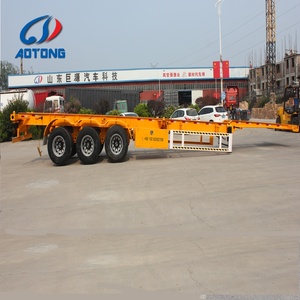
By leveraging our dedicated container drayage fleet with skeletal trailers, inbound boxes are transferred immediately upon discharge to our nearby cross-dock facilities. Containers are stripped, checked, and returned empty to carrier depots within 24 to 48 hours—consistently avoiding detention penalties. Cargo is then immediately sorted onto domestic curtain-side trailers, flatbeds, or rail wagons for onward delivery.
Yes, provided the facility holds authorized hazardous goods licensing and complies with ADR (European Agreement concerning the International Carriage of Dangerous Goods by Road) and IMDG standards. Our designated dangerous goods handling docks feature spill-containment flooring, explosion-proof material handling equipment, and certified DG safety advisors.
Cross-docking dangerous goods eliminates static holding risks in non-specialized warehouses, moving regulated materials through monitored consolidation bays directly onto certified line-haul carriers under DDP conditions with full safety documentation intact.
To execute rapid cross-dock transitions without customs holds, the exporter or importer must supply accurate digital records prior to cargo arrival:
1. Commercial Invoice & Packing List: Stating distinct HS Codes (minimum 6–8 digits), country of origin, unit values, exact net/gross weights, and carton markings.
2. EU Declaration of Conformity (DoC): Issued by the manufacturer or authorized EU representative, referencing relevant Directives (e.g., EMC 2014/30/EU, RoHS 2011/65/EU).
3. Master & House Bills of Lading / Air Waybills: Correctly consigning cargo to our bonded customs entity.
4. Transit Documentation (T1/T2): Where shipments move in-bond across European customs territories to non-coastal cross-dock centers prior to final duty payment.
Because cross-docking leaves little margin for operational latency, real-time data transparency is essential. WTA’s visibility platform operates as a centralized control tower, feeding real-time vessel telemetry, flight status, and container gate activity directly into an intuitive client portal.
Customers receive automatic electronic notifications when a container is pulled from the wharf, when it enters our cross-dock terminal, when cross-dock de-stuffing concludes, and when the outbound consignment departs for last-mile delivery. The platform also centralizes all associated documentation, including bills of lading, customs entry receipts, and proof-of-delivery signatures.
Cross-docking delivers the strongest ROI for:
• Fast-Fashion & Retail Apparel: Enables immediate sorting from ocean shipping containers directly into regional store delivery networks without domestic warehouse picking.
• Automotive & Industrial Assembly: Just-in-time delivery of manufactured components and CNC subassemblies straight to factory production lines.
• High-Turnover Consumer Electronics: Minimizes capital exposure and protects sensitive technology from storage obsolescence.
• Publishing & Printed Materials: Synchronized release of book launches and publications with guaranteed in-store dates across diverse regional markets.
Eliminate demurrage risks, streamline EU customs handoffs, and reduce supply chain transit times with our dedicated cross-docking hubs. Connect with an international freight specialist to architect a custom routing strategy.