

110+
Years Industry Provenance (Est. 1913)
6,000+
Global Accounts Managed
122
Countries Sovereign Network Reach
679
Actively Synchronized Trade Lanes
Operational Catalog
High-Velocity Logistics Systems & Industrial Solutions
Engineered for mission-critical industrial replenishment, CE-standard compliance, and frictionless cross-border distribution across primary global consumer corridors.
Industrial Whitepaper
Structural Realignment in Global Last-Mile Freight & Port Handoffs
Analyzing the convergence of European regulatory frameworks, regional drayage decarbonization, and dynamic consolidation modeling across Tier-1 trade arteries.
Harmonized CE Compliance Architectures
The execution of last-mile delivery across European metropolitan spheres demands strict conformity with the CE machinery directives, low-voltage regulations, and ISO/IEC 17050-1 declarations. Cross-border handlers must demonstrate audited traceability at the pallet, container, and chassis tier. We resolve structural import liabilities by establishing strict operational protocols that verify conformity documents prior to port manifests hitting European customs servers.
Micro-Hub Decentralization & Cross-Docking
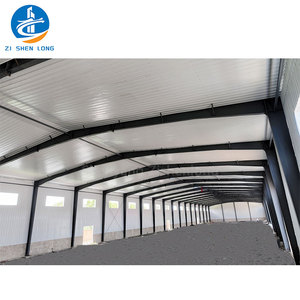
Traditional mega-distribution centers situated 80 miles outside primary consumer catchments create intolerable lead times and surge vulnerability. Modern supply chains are retrofitting their topology with modular prefabricated steel hubs situated directly along urban fringe lines. These cross-dock facilities enable immediate uncoupling of heavy drayage containers into agile LTL electric and low-emission fleets, shaving 36 hours off baseline fulfillment intervals.
Autonomous Telematics & Predictive Ingestion
Last-mile failure points historically congregate around the drayage-to-dock handoff. By integrating GPS-enabled carrier telematics, port gate predictive algorithms, and automated optical character recognition (OCR) scanning at bonded receiving docks, our network neutralizes demurrage and detention (D&D) risks. Fleet dispatchers obtain sub-meter operational visibility, pre-clearing drayage chassis before vessels drop anchor.
Procurement Intelligence
Future-Facing Procurement Trends in Last-Mile Logistics (2025–2030)
Enterprise procurement divisions are shifting away from fragmented freight brokerage toward fully audited, end-to-end multi-echelon logistical partnerships.
1. All-Inclusive Incoterm Transparency (DDP Dominance)
B2B enterprise buyers are systematically moving away from CFR and FOB terms toward comprehensive Delivered Duty Paid (DDP) contracts. This structural pivot transfers maritime demurrage, destination terminal handling charges (DTHC), and customs auditing burdens to specialized logistics exporters. Buyers achieve precise landing-cost certitude across apparel, automotive, and hazardous industrial cargo without fiscal variability.
2. Mandated Scope-3 Decarbonization Audits
Driven by the European Union Corporate Sustainability Due Diligence Directive (CSDDD) and maritime Carbon Intensity Indicator (CII) scoring, logistics procurement contracts now regularly mandate granular Scope-3 emission reporting. Importers favor logistics suppliers capable of delivering dynamic, ISO 14083-certified carbon ledger accounting from inland dry-port dispatch to final industrial destination drops.
3. Dedicated Specialized Equipment Allocation
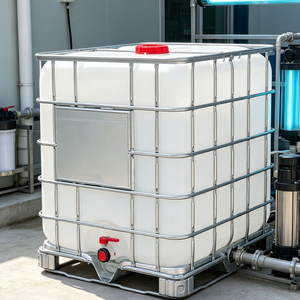
Standard dry van and ISO containers are increasingly optimized with high-performance payload solutions, including certified 500-liter composite IBC tanks for bulk chemical shipping and customized out-of-gauge (OOG) flat rack solutions. Procurement leaders are securing long-term equipment leasing and asset reservations to circumvent container imbalances during seasonal trade volume surges.
Operational Moats
Why Tier-1 Importers Rely on WTA Group Infrastructure
Integrating four generations of trade compliance with advanced edge intelligence to secure international cross-border corridors.
110+ Years of Provenance
Founded in 1913 by Ernest Sommer, WTA Group stands as an authoritative fourth-generation logistics partner with institutional mastery over complex customs evolutions, multi-decade market cycles, and shifting global tariff corridors.
AEO & C-TPAT Accreditations
Our international in-house customs brokerage operates under Authorised Economic Operator (AEO) and Customs-Trade Partnership Against Terrorism (C-TPAT) certifications, accelerating document verification and minimizing invasive port terminal inspections.
Proprietary Visibility Platform
Real-time dynamic tracking, AI-driven delay forecasting via global live satellite AIS and carrier interfaces, and instantaneous ESG compliance reporting provided complimentary for all supply chain accounts.
7 Global Strategic Bases
Dedicated corporate infrastructure stationed at vital trade centers across the UK (Manchester HQ), United States, China (specialist publishing and industrial hubs), and UAE (Jebel Ali Free Zone corridors).
Total Transparent Pricing
We eradicate hidden accessorial fees, surprise inland fuel fluctuations, and chassis split penalties by itemizing Bunker Adjustment Factors (BAF) and Terminal Handling Charges (THC) with upfront binding contracts.
Enterprise Industry Divisions
Tailored engineering protocols managing sensitive supply chains across Manufacturing, Publishing, Temperature-Controlled Food & Spirits, Specialized Energy Infrastructure, and High-Turnover E-Commerce.
Operational Assurance
Frequently Asked Questions: Global Last-Mile Procurement
Authoritative technical guidance compiled by senior customs brokers and logistics engineering leads.
Q1: How does CE certification impact cross-border last-mile equipment?
CE marking confirms that equipment—such as modular pre-engineered logistics warehouses, IBC chemical shipping containers, and mechanical handling interfaces—satisfies rigorous EU safety, environmental, and consumer protection directives. Sourcing CE-certified hardware mitigates destination quarantine orders, port-of-entry impoundment, and expensive civil liability risks under European Union single-market mandates.
Q2: What techniques minimize destination demurrage and detention charges?
Demurrage and detention charges accrue when containers sit past contractual "free days" at docks or distribution yards. We mitigate this through pre-clearance filing five days prior to vessel arrival, negotiating extended 14-day free-time terms with ocean carriers, executing bonded transloading, and matching inland drayage capacity via Matson express and priority rail corridors.
Q3: What is the operational distinction between DDP and DDU/DAP terms?
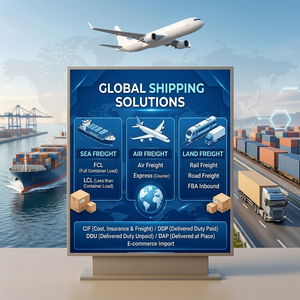
Under DAP (Delivered at Place) or legacy DDU, the destination buyer remains fiscally and legally responsible for local import VAT, customs entry documents, and tariff clearance fees. Under DDP (Delivered Duty Paid), the exporter and logistics provider assume comprehensive operational responsibility for maritime, transshipment, bonded customs brokerage, clearance duties, and final destination drop-offs.
Q4: How are Class 8 and Class 9 Dangerous Goods (DG) regulated during last-mile delivery?
DG cargo transiting the final mile requires strict ADR (road transport) compliance across Europe and 49 CFR adherence across the US. This necessitates certified Hazmat drivers, UN-rated intermediate containment packaging (such as high-density polyethylene IBC bulk units), certified placards, and live hazardous cargo documentation within our visibility system.
Q5: How does cross-border multimodal rail optimize transit over pure ocean shipping?
Sino-European rail corridors cut transit times by up to 20 to 25 days compared to standard ocean loops navigating the Cape of Good Hope, while remaining up to 60% cheaper than regular air freight. Combined with integrated bonded cross-docking upon arrival, rail provides an optimal middle echelon for mid-turn inventory replenishment.
Q6: How is live platform data used to mitigate terminal port congestion?
Our platform aggregates real-time automatic identification system (AIS) telemetry, terminal crane productivity indexes, and rail-ramp bottlenecks. If an ingestion terminal displays acute vessel dwell times exceeding 48 hours, our routing system alerts operations to execute off-dock transloading or divert feeder vessels to uncongested regional outports.