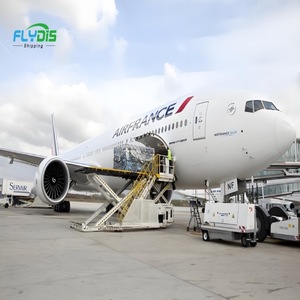
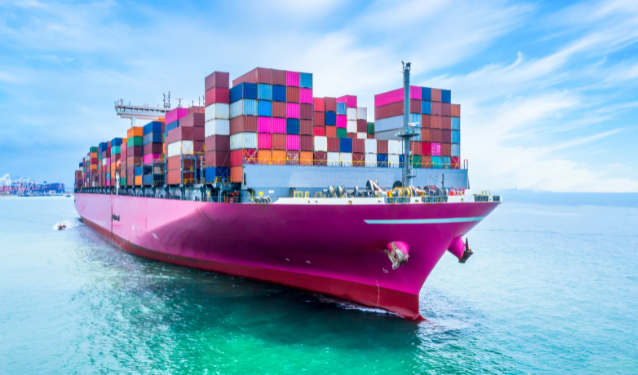
Global supply networks demand more than basic booking agents; they require data-driven, audited freight forwarders capable of optimizing break-bulk, containerized volume, and sensitive cargo transfers from factory gate to distribution hub.
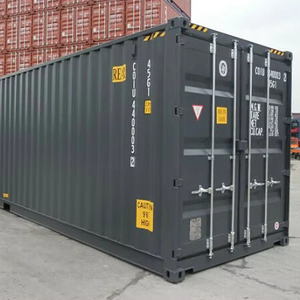
CSC-certified sea shipping containers inspected for seaworthiness. Ideal for break-bulk, dynamic storage, and custom modular cargo routing across global waters.
Calibrated temperature monitoring (-20°C to +8°C), thermal-isolated compartments, and rapid clearance mechanisms for life-critical pharmaceutical cargo.
Advanced UN-spec containment packaging, MSDS certification audits, and direct air-sea channels for lithium cells, active ingredients, and fine chemicals.
110+Years Continuous Heritage
6,000+Global Clients Maintained
679Active Global Trade Lanes
122Countries Directly Serviced
Supply Chain Macro Intelligence
Future Procurement Trends in China Bulk Cargo Operations
Procurement directors face shifting regulatory baselines, geopolitical lane adjustments, and automated carbon compliance directives. Here is how modern exporters structure competitive shipping contracts.
Incoterm Modernization (FOB to DDP/DAP)
Traditional reliance on FOB (Free On Board) exposed overseas buyers to volatile destination surcharges, demurrage risk, and uncoordinated haulage. The prevailing strategic shift favors fully transparent DDP and DAP models where experienced forwarders absorb carrier variability and clear customs under local regulatory licenses.
Digital Traceability & Dynamic DWS Systems
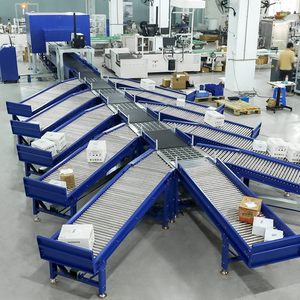
Manual bill of lading verifications are being superseded by optical dynamic Dimension-Weighing-Scanning (DWS) machinery and IoT telematics. Shippers achieve millimetric volumetric verification at coastal sorting terminals, eliminating retrospective line-item billing disputes while securing automated customs clearance records.
Multimodal Agility (Sea-Rail Hybrid Corridors)
Disruptions across primary maritime choke points have made multi-corridor optionality mandatory. Exporters combine short-sea feeders with China-Europe Rail Express schedules, saving up to 22 days against extended trans-African maritime bypasses, providing a resilient equilibrium between cost and transit lead-time.
A rigorous cost, speed, and regulatory breakdown for bulk cargo movements originating from main China ports (Ningbo-Zhoushan, Shanghai, Shenzhen, Qingdao).
Transport Mode
Average Transit Window
Carbon Intensity
Ideal Cargo Categorization
Regulatory Framework
Ocean Freight (FCL / Break-Bulk)
28 – 42 Days
Lowest (15-25g CO2/ton-km)
Heavy industrial machines, mineral bulk, out-of-gauge containers
Class 4 flammable solids, Li-ion battery banks, industrial coatings
UN Certified Packaging / IMDG Code Compliant
Temperature-Controlled Cold Chain
Express Priority
Dynamic Monitored
Biopharmaceuticals, active vaccines, specialized chemicals
GDP Compliant / Real-time Calibrated Data Log
The Engineering Advantage
Four Generations of Unbroken Global Freight Leadership
Founded in 1913, WTA Group combines over a century of maritime logistics pedigree with modern predictive machine algorithms. Rather than acting as a transactional broker, we manage dedicated operations across 7 proprietary international hubs—including continuous native presence in China since 2006.
Transparent All-In Pricing: Absolute elimination of rogue port storage and detention charges.
In-House Licensed Customs Brokerage: Complete direct filing across UK, US, EU, and Asian border authorities.
24/7 Digital Visibility Platform: Real-time container telemetry, predictive delay detection, and automated ESG carbon logs.
AEO Certified Broker
C-TPAT Tier Certified
IATA Licensed Agent
BIFA / WCA Registered
Procurement Guide
Frequently Asked Questions on China Bulk Logistics
Direct technical answers to the most common challenges encountered by overseas procurement directors and logistics engineers.
How do we prevent unexpected demurrage, detention, and port storage fees at destination berths?
Excess demurrage and detention charges occur when consignees fail to clear customs or reposition empty containers within the carrier's allotted "free time" (commonly 3 to 7 days). We proactively negotiate extended free-time agreements (typically 14 to 21 days combined) directly with ocean alliances before departure. Furthermore, our licensed destination customs brokers pre-clear shipments electronically using automated EDI manifests prior to vessel berthing, guaranteeing immediate inland haulage dispatch.
What documentation is legally mandated for exporting Class 4 hazardous materials or lithium batteries from China?
Compliance requires three foundational verifications: the manufacturer's authentic MSDS/SDS sheet, an officially registered UN38.3 test summary report (for battery items), and a factory-origin Dangerous Goods Packaging Certificate (危包证). Our dangerous goods (DGR) handling teams perform origin pre-checks on containment boxes to ensure UN-approved specification stamping, preventing costly terminal rejections or cargo impounding under maritime safety laws.
When is trans-Eurasian rail freight commercially viable compared to ocean shipping?
Trans-Eurasian rail freight is economically optimal when high-value finished products or factory components face strict production deadlines. Rail delivers an average 16-to-20 day door-to-door transit time from Central and Eastern China manufacturing clusters into Western and Central Europe. This cuts maritime lead times by up to 50% while operating at approximately 60-70% lower cost than air freight, protecting enterprise working capital without compromising market timing.
How does automated dynamic DWS equipment protect procurement invoices from volumetric weight adjustments?
Carriers charge bulk and parcel shipments based on volumetric weight (dimensional weight) whenever it exceeds deadweight. Manual tape measurements taken at factories are prone to discrepancies, which trigger heavy audit re-invoicing at shipping docks. Our automated dynamic DWS (Dimensioning, Weighing, Scanning) systems capture optical 3D volumetric data and certified weights simultaneously while logging high-resolution barcoded imagery, establishing legally verifiable proof of weight and dimensions before booking.
What is the practical difference between standard freight forwarding and licensed customs brokerage?
Standard freight forwarders are logistics coordinators who book transport capacity with carriers. A licensed customs broker holds formal government authority (such as AEO status in the UK/EU or C-TPAT/Customs Brokerage licenses in the US) to represent importers legally before national border agencies. Brokers determine legally compliant HS classification, execute import valuation calculations, and manage tax exemptions. WTA combines both capabilities, providing single-point legal and physical cargo security.
Optimize Your Bulk Logistics Architecture Today
Connect directly with our senior freight engineers and customs brokers. Receive a comprehensive, transparent lane quote with itemized origin and destination pricing within one business day.