




Architecting Resilient Global Supply Chains: China Manufacturing White Paper
In modern industrial procurement, sourcing directly from China is no longer merely an exercise in arbitrage of direct labor expenditures. High-performing multinational organizations evaluate original equipment manufacturers (OEM) and original design manufacturers (ODM) through the lens of systematic integration: advanced metallurgical casting, sub-micron precision computer numerical control (CNC) machining, end-to-end automation, and sovereign multimodal freight infrastructure. As global industrial ecosystems face unprecedented shifts in geopolitical tariff landscapes, regulatory ESG frameworks, and fluctuating sea-air shipping rates, the ability to partner with an integrated Chinese manufacturing and forwarding group represents a critical competitive advantage.
Key Procurement Insight
Direct manufacturing execution without visibility over ocean, air, rail, and road nodes results in average margin erosion of 12% to 18% through unoptimized demurrage, port storage, and non-compliant HS-code declarations. Aligning manufacturing specs with integrated freight orchestration guarantees landed-cost certainty.
Product Sourcing Recommendations & Technical Selection Matrix
When selecting industrial transmission systems, load-bearing chains, and engineered metal components, procurement engineers must evaluate raw metallurgy, structural heat treatment, and dynamic fatigue thresholds under stringent international standards (including ISO 606, DIN 8187, ASTM, and AS standards):
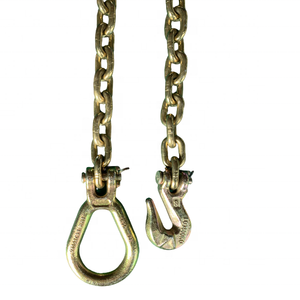
- AS Standard G70 Transport Tie-Down Assemblies: Manufactured using fine-grain alloy steel, heat-treated through continuous induction furnaces to deliver high strength-to-weight ratios. Engineered specifically for transport load restraint, logging, and heavy machine lashing with calibrated pear links and clevis grab hooks that exceed AS/NZS 4344 requirements.
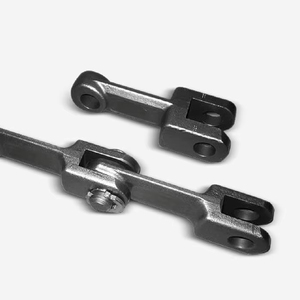
- Forged Alloy Steel Conveyor Chains (Drop-Forged & Cast Link): Optimized for extreme abrasive and high-temperature environments such as cement mills, grain processing, automotive paint shop lines, and coal plants. Case-hardened pins and ductile core bushings prevent sudden catastrophic cleavage failures.
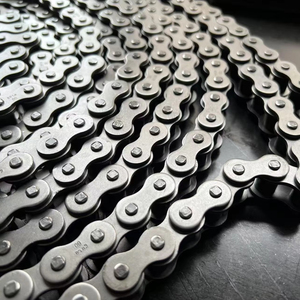
- 12A-1 Agricultural Machinery Roller Chains: Built with pre-stressed, shot-peened plates and solid seamless rollers to eliminate premature elongation and deliver continuous field uptime in high-vibration combines, harvesters, and balers.
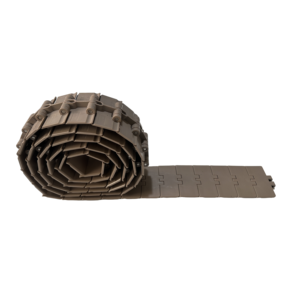
- Thermoplastic Tabletop & Flat-Top Chains (820S-K400): Molded from low-friction polyoxymethylene (POM/Acetal) with surgical-grade 304 stainless steel hinge pins, specifically engineered for high-speed beverage bottling, pharmaceutical packaging, and automated sortation conveyors requiring quiet, lubrication-free operation.
- High-Precision CNC Metal Outsourcing Components: Multi-axis milling, turning, and rapid tooling for custom aerospace brackets, industrial pump housings, hydraulic fittings, and robotics linkages held to tolerances of ±0.005mm.
| Component Series | Base Material & Treatment | Tensile / Hardness Target | Primary Industrial Sector | Standard Compliance |
|---|---|---|---|---|
| G70 Transport Chains | Boron-Manganese Alloy Steel / Quenched & Tempered | Min. Breaking Load ≥ 700 N/mm² | Heavy Haulage, Maritime Logistics, Cargo Lashing | AS/NZS 4344, NACM 90 |
| Drop-Forged Conveyors | 20MnCrMo5 / Induction Hardened Pin | Core 32-38 HRC, Surface 58-62 HRC | Mining, Bulk Handling, Heavy Automotive | DIN 8167, ISO 1977 |
| 12A-1 Agricultural Roller | 40Mn Carbon Steel / Shot Peened Links | Fatigue Strength ≥ 31.8 kN | Combine Harvesters, Grain Elevators, Balers | ISO 606, ANSI B29.1M |
| 820S Tabletop Chains | Low-Friction Acetal (POM) + SUS304 Pin | Max Work Load 1,230 N @ 25°C | Food & Beverage Bottling, Cleanroom Conveyance | FDA 21 CFR, EU 10/2011 |
| Precision CNC Castings | A380 Aluminum, 316L SS, Brass, Ti-6Al-4V | Custom Specified (Tolerance ±0.005mm) | Automotive Sub-assemblies, Robotics, Pumps | ISO 9001, IATF 16949 |
Procurement & Macro Supply Chain Horizons: 2025–2030
As enterprise procurement transitions into a new era of geopolitical decentralization, the global supply chain architecture is experiencing fundamental shifts. Sourcing directors operating across North America, Europe, Oceania, and emerging markets must align their capital allocation with several defining trends:
1. Algorithmic Real-Time Visibility & Proactive Demurrage Mitigation
Legacy procurement workflows that rely on asynchronous PDF packing lists and weekly emailed freight notices are obsolete. Modern manufacturing and supply networks utilize integrated IoT sensor packages, predictive automated vessel tracking, and direct EDI/API interfaces connecting factory floor ERPs with global carrier networks. WTA Group's proprietary visibility platform equips procurement managers with automated alerts before container dwells trigger predatory port storage and carrier demurrage charges, saving enterprises up to 14% on total logistics outlays.
2. The Integration of Green Metals and ESG Scope-3 Auditing
European Union CBAM (Carbon Border Adjustment Mechanism) enforcement and escalating Scope-3 disclosures in North America necessitate rigorous carbon accounting across the factory floor. Leading Chinese foundries are transitioning to induction melting furnaces powered by regional renewable energy grids, closed-loop water recirculation, and certified recycled alloy inputs. Real-time platform emissions tracking allows enterprise buyers to benchmark, verify, and report landed carbon per kilogram of manufactured hardware.
3. Multimodal Resilience: China-Europe Rail, Fast-Sea, and Direct Air Corridors
Sourcing security requires modal agility. In periods of maritime chokepoint congestion, procurement directors pivot high-priority components to China-Europe trans-Eurasian rail freight corridors, reducing door-to-door transit times from 42 days by sea to 16–18 days at a fraction of air cargo pricing. For immediate time-to-market deployments, structured air-sea hybrid consolidation ensures uninterrupted industrial assembly lines.
Manufacturing & Engineering Evolution: The Factory of the Future
China's industrial factory infrastructure has evolved from labor-intensive assembly to autonomous smart manufacturing. Modern chain fabrication and CNC machining facilities integrate multi-station cold-forging presses, robotic laser welding, automatic pitch measuring gauges, and closed-loop optical defect detection. These automated technologies eliminate dimensional variation, guarantee uniform tensile fatigue thresholds across multi-kilometer chain orders, and drastically shorten production lead times from 60 days down to 14 days for customized OEM orders.