DGR Class 4
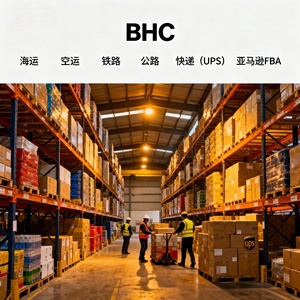

Strategically engineered for heavy handling, temperature integrity, and hazardous materials compliance. Sourced directly from our primary facilities with certified end-to-end routing.
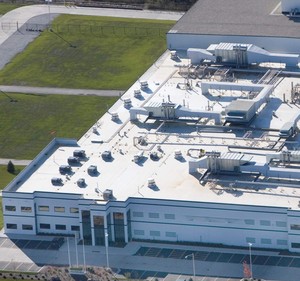
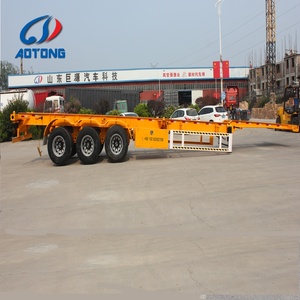
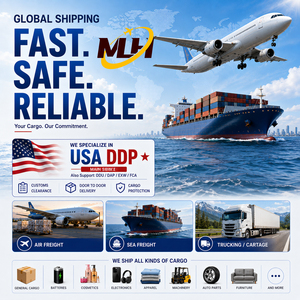
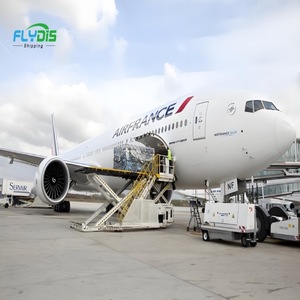

Connecting precision Chinese manufacturing corridors with global distribution networks under verified international standards.
Full-spectrum management of hazardous cargo including pure lithium-ion cells, industrial chemicals, pyrotechnics, and volatile liquids. Certified UN-certified packing, MSDS declarations, and direct port terminal priority handling.
Precision-controlled steel structural cold chain centers engineered for food preservation, pharmaceutical logistics, and frozen proteins. Integrated continuous IoT telemetry prevents thermal variation across multi-zone chambers.
Scheduled direct departures along the Silk Road Railway linking Yiwu, Xi'an, and Zhengzhou to Moscow, Minsk, and Western European hubs, complemented by dedicated port drayage container chassis fleets.
A technical perspective on supply chain resilience, automation readiness, and total cost of ownership (TCO) optimization.
The global warehousing ecosystem has transitioned rapidly from static floor space to hyper-dense, automated, and multi-functional logistics hubs. Modern supply chain managers sourcing from China are no longer merely seeking structural steel racks or standard forklifts; they require fully integrated intralogistics ecosystems that marry heavy storage racking with autonomous guided vehicle (AGV) clearances, automated storage and retrieval systems (AS/RS), and strict environmental compliance.
As China solidifies its position as the premier manufacturing origin for high-spec logistics hardware, tier-one facilities in industrial clusters such as Jiangsu, Zhejiang, and Guangdong have updated their engineering standards. Material selection has shifted to high-tensile Q235B and Q355B cold-rolled structural steel, optimized for seismic resilience (conforming to RMI and FEM 10.2.02 design codes) and anti-corrosive electrostatic powder coatings capable of withstanding aggressive industrial atmospheres.
Procurement directors planning 2025–2030 capital expenditures must account for three structural shifts in warehouse hardware and storage logistics:
| Logistics / Equipment Vector | Primary Use-Case | Regulatory & Technical Benchmark | Transit / Lifecycle Efficiency | Procurement Cost Factor |
|---|---|---|---|---|
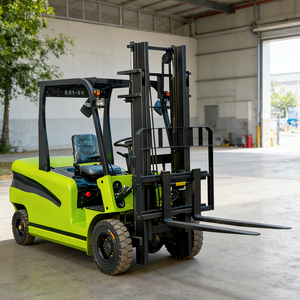
| Electric Forklifts (1–2T) | High-density indoor rack loading & cross-docking | CE, ISO9001, EN 1175:2020 Compliance | Continuous 8-hr duty cycles via LiFePO4 battery | Low maintenance / High operational ROI |
| Cold Chain Steel Warehousing | Frozen food, perishables, and medical staging | HACCP, ISO 22000, FM Global Fire Safety | Multi-temp thermal stability down to -28°C | Moderate capex / High energy savings |
| Hazmat Multimodal (Class 4–9) | Batteries, powders, flammable solid chemicals | IMDG Code, ADR, DGR, AEO Certification | End-to-end dedicated customs clearance | Controlled premium / Zero detention risk |
| China-Europe Railway Express | High-value machinery & seasonal commercial goods | CIM/SMGS unified consignment, Silk Road Corridor | 12–16 days door-to-door transit to EU | 60% lower than air / 50% faster than sea |
A frequent error made by procurement teams when buying Chinese warehouse infrastructure is isolating FOB factory floor prices from downstream lifecycle expenses. Sub-par structural manufacturing creates racking deflections that trigger AS/RS sensor misalignments, resulting in severe fulfillment interruptions. Similarly, unverified material handling machinery often fails local workplace safety inspections in Europe or North America, requiring costly field modifications.
By partnering with a manufacturer and supply chain integrator operating with proven international standards—including AEO customs brokerage, C-TPAT security accreditation, and CE certification—enterprises lock in verified quality, fully compliant ocean/rail freight routing, and guaranteed spare parts accessibility.
Critical information covering structural specifications, hazmat certifications, transit logistics, and delivery guarantees.
Shipping Class 4 flammable solids, lithium batteries, powders, or liquids requires a certified MSDS (Material Safety Data Sheet), an official UN38.3 test report (for batteries), a Dangerous Goods Packaging Certificate (UN Certificate), and certified inspection reports from authorized Chinese maritime and air safety testing bodies. Our integrated logistics team prepares and handles all declarations directly.
Our 1-ton and 2-ton electric forklifts are built under strict ISO9001 quality systems and carry official CE certification complying with the European Machinery Directive (2006/42/EC) and ANSI/ITSDF B56.1 standards for North America. Units feature emergency power cutoffs, ergonomic operator restraints, mast buffering systems, and CE-marked electronic controllers.
Yes. Every structural steel cold storage distribution center is modeled via 3D BIM engineering to match your site's local seismic zone, ground snow loading, and maximum wind shear ratings. Insulated panels, structural purlins, refrigeration machinery configurations, and rapid roll-up doors are pre-fabricated in our factory for swift on-site modular erection.
The China-Europe Railway Express achieves scheduled terminal-to-terminal transit in 12 to 16 days depending on the European destination hub (such as Moscow, Minsk, Malaszewicze, or Duisburg). This is more than 20 days faster than standard maritime ocean freight navigating typical Southern routes, offering an optimal balance of cost and speed for time-critical supply chains.
Under a transparent DDP contract, the quotation includes export packaging, domestic inland drayage, Chinese export clearance, primary international line-haul (sea, air, or rail), destination customs clearance, import tariffs, harbor handling charges (THC), and final delivery to your warehouse door. This completely eliminates surprise demurrage, detention, and currency adjustment fees.
Absolutely. Our consolidation hubs across Shanghai, Ningbo, and Shenzhen enable procurement teams to bundle electric material handling equipment, container chassis trailers, and cold room steel building components within 40ft HQ containers, optimizing container cubing and drastically slashing destination drayage costs.