Explore our core multimodal trade lanes, certified hazardous cargo management, and high-cube industrial warehouse infrastructure engineered for cross-border electronics trade.
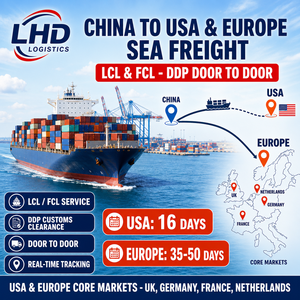
Managing the cross-border movement of precision electronics demands strict adherence to electrostatic discharge safeguards, lithium battery transport conventions, and automated regulatory clearance.
Consumer electronics, e-mobility products, and industrial energy storage systems rely heavily on lithium-ion cells. Transporting standalone cells (UN 3480) or cells packed with/in equipment (UN 3481) requires complete compliance with Section IA, IB, or II of IATA Packing Instructions 965–967. Our certified dangerous goods teams audit factory UN 38.3 test summaries, verify packaging drop tests, and guarantee maritime IMDG Code compliance across major coastal terminals including Shenzhen, Ningbo, and Shanghai.
Integrated circuit (IC) wafers, PCBA modules, surface-mount components, and display panels are susceptible to micro-vibrations, thermal swings, and moisture degradation. Our forward deployment strategy utilizes humidity-indicator barrier bags, desiccant calculations under DIN 55474, and temperature-controlled reefer containers or specialized air cargo thermal blankets. This end-to-end environmental shielding preserves component integrity from dust-free Shenzhen cleanrooms to European or North American assembly lines.
Cross-border electronics shipping requires accurate Harmonized System (HS) classifications to prevent severe tariff penalties and border holds. Our in-house licensed customs brokers cross-examine semiconductor classifications, telecommunications equipment exemptions, and country-of-origin documentation. Backed by dual Authorised Economic Operator (AEO) and Customs-Trade Partnership Against Terrorism (C-TPAT) accreditations, our shipments benefit from priority inspection lanes, expedited clearance, and minimized bonded demurrage costs.
High-value commercial electronics freight demands transparent visibility beyond traditional port milestones. We deploy autonomous IoT tracking nodes providing real-time data on geofenced coordinates, barometric pressure, shock shock-axis g-forces, and ambient temperature. Through our proprietary cloud-based visibility platform, corporate supply chain teams can monitor cargo status, anticipate transit delays through predictive machine learning, and streamline commercial invoices across multiple distribution centers.
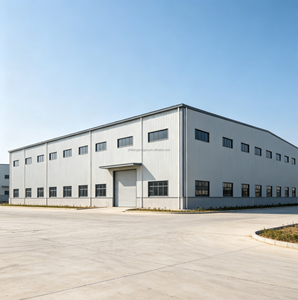
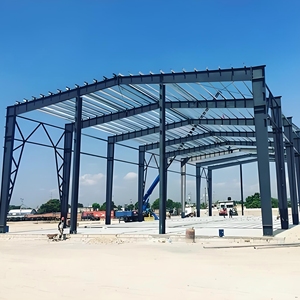
Modern electronics staging requires specialized storage capable of handling fast pallet turnover while preserving strict safety standards. Utilizing heavy-duty Pre-Engineered Building (PEB) logistics plants engineered with wide-span clearance, high wind resistance, and ISO 9001 quality controls, our logistics hubs provide automated racking, ESD-safe floor coatings, and integrated fire suppression compliant with NFPA standards for battery energy storage systems.
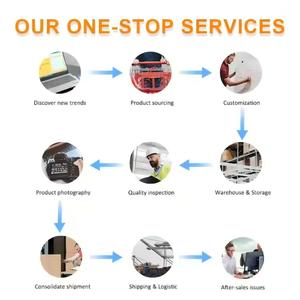
Purchasing wholesale electronics across the Pearl River Delta or Yangtze River Delta typically involves managing dozens of sub-tier component suppliers. Our integrated supply chain management consolidates cargo from multiple manufacturing lines into unified full-container-load (FCL) bookings. This factory-to-port pipeline reduces LCL handling fees, eliminates redundant documentation, and accelerates shipping schedules down to predictable 8–12 day fast-air or express ocean windows.
Founded in 1913, our logistics infrastructure was established on direct carrier accountability, proactive demurrage reduction, and reliable routing. Moving wholesale electronics across global borders requires deep operational coordination rather than open-market brokering. By operating physical gateways in Manchester (UK Headquarters), Chicago and Los Angeles (USA), Shanghai and Shenzhen (China), and Dubai (UAE), we maintain direct operational oversight at every point of origin and destination. Importers and procurement directors work directly with licensed operators who safeguard cargo, ensure customs compliance, and protect bottom-line profitability.
Evaluate freight modes based on real-world transit schedules, capital carrying costs, and specialized risk factors across major global trade corridors.
| Logistics Mode | Average Lead Time | Cost Profile | Carbon Intensity | Hazardous Cargo (Lithium) | Ideal Electronics Category |
|---|---|---|---|---|---|
| Express Air Freight | 3 – 7 Days Door-to-Door | High Premium | High (500+ g CO2/t-km) | Strict PI 965 (Passenger Craft Banned) | Microchips, Prototypes, High-Density Wearables |
| Trans-Eurasia Rail Express | 16 – 22 Days Terminal-to-Terminal | Balanced Mid-Tier | Low (25 – 40 g CO2/t-km) | Route Specific / RID Rail Regulated | Automotive Electronics, Solar Inverters, Home Tech |
| Direct Ocean Freight (FCL) | 28 – 38 Days Port-to-Port | Lowest Cost Base | Lowest (8 – 15 g CO2/t-km) | Full IMDG Stowage Categories A & B | Large Consumer Displays, Appliances, Audio Gear |
| Ocean Consolidation (LCL) | 32 – 42 Days CFS-to-CFS | Economical Batch | Very Low | Requires Consolidation Approval | Wholesale Accessories, Cables, Replacement Parts |
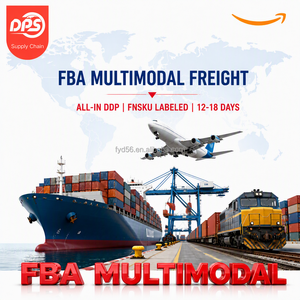
| Integrated Multimodal Air-Sea | 14 – 18 Days Combined | Optimized Transit/Cost | Moderate | Hub-Specific Re-palletization | Mid-Season Restocking, High-Volume E-Commerce |
Strategic analysis for enterprise procurement executives navigating shifting geopolitical landscapes, environmental mandates, and technical supply chain developments.
While component sub-assemblies and final packaging increasingly incorporate regional hubs across Southeast Asia, Tier 1 and Tier 2 electronics manufacturing remains heavily anchored within China's specialized industrial clusters. Cross-border bonded trucking networks now link Shenzhen, Dongguan, and Suzhou directly to regional distribution centers. Procurement teams are shifting toward unified freight logistics platforms that coordinate origin manufacturing in China with multi-destination global routing under single-bill-of-lading visibility.
Impending regulatory standards, such as the European Union Battery Regulation, necessitate complete lifecycle transparency, including raw material provenance, recycled content percentages, and carbon footprints. Sourcing electronics containing integrated lithium power banks requires freight partners capable of verifying digital conformity records at the factory gate. Forwarders must cross-validate battery passport metadata with customs declarations to prevent costly border holds and compliance fines.
Enterprise sustainability goals and regulations like the EU Corporate Sustainability Due Diligence Directive are turning logistics emissions into a critical procurement factor. Importers are balancing pure air freight with green intermodal services, utilizing Sustainable Aviation Fuel (SAF) credits, low-sulfur bio-LNG ocean vessels, and electrified rail transport. Modern electronics freight agreements now regularly incorporate direct API emissions reporting at the individual SKU level.
Direct answers to critical operational, regulatory, and freight forwarding questions faced by international procurement managers.
Shipments require a valid UN 38.3 Test Report, an audited Material Safety Data Sheet (MSDS/SDS), a certified Product Assessment Report for Safe Transport of Chemical Goods (issued by authorized state institutes like DGM or standard testing bodies), and properly stamped packing certificates. When shipping standalone batteries under UN 3480, cells must maintain a State of Charge (SoC) not exceeding 30% for commercial air transit, along with certified Class 9 dangerous goods hazard labels and cargo-aircraft-only markings.
Demurrage and detention fees often accumulate when consignees face destination customs queries or lack delivery chassis capacity. We negotiate extended container free-time agreements (typically 14 to 21 days combined) directly into carrier contracts. Furthermore, our licensed customs brokerage conducts pre-clearance filings (such as 10+2 ISF for the US, and Import Control System 2 ENS filings for Europe) while vessels are still at sea, allowing prompt container gate-outs upon discharge.
Under FOB (Free on Board), the buyer assumes all transportation risk, maritime insurance liabilities, and routing costs once goods pass the ship's rail at the Chinese port. DAP (Delivered at Place) extends forwarder responsibility to your international destination facility while leaving import taxes and VAT clearance to your internal team. DDP (Delivered Duty Paid) places the entire logistics burden, customs clearance, duty liabilities, and cargo insurance onto the forwarding agent, providing landed-cost certainty for predictable wholesale balance sheets.
Electronic components are vulnerable to physical shocks, electrostatic discharge (ESD), and moisture damage. Comprehensive freight planning requires MIL-PRF-81705D compliant anti-static shielding packaging, inner vacuum seals with silica desiccants, and shock-monitoring indicators on outer master cartons. At our bonded consolidation centers, cargo is unitized onto moisture-sealed heat-treated pallets (ISPM 15 compliant) and secured with heavy-gauge corner boards to prevent vibration damage during maritime transit.
During fourth-quarter consumer electronics peaks, commercial belly cargo becomes constrained and spot market rates fluctuate. To maintain predictability, we leverage scheduled Block Space Agreements (BSA) and dedicated charter flights originating from major manufacturing centers including Shenzhen Bao'an (SZX), Guangzhou (CAN), and Zhengzhou (CGO). These secured allocations guarantee lift commitments regardless of general market fluctuations, keeping product launches on schedule.
Pre-engineered building (PEB) logistics plants provide expansive column-free clear spans, accommodating high-density automated storage and retrieval systems (ASRS) and specialized climate zones. These structures feature advanced thermal insulation, automated environmental controls, and durable ESD-safe concrete flooring. These capabilities prevent humidity buildup and dust intrusion, safeguarding delicate electronics during consolidated storage and inventory staging.
Consult with our licensed international customs brokers and multimodal freight specialists. Build an efficient, compliant, and cost-effective logistics framework tailored to your technical product requirements.
Get a Quote