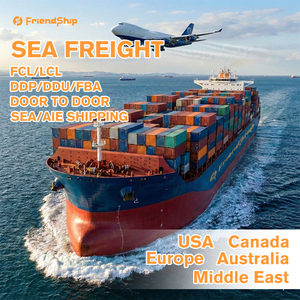

Direct supplier integration connecting China's primary coastal load centers (Shanghai, Ningbo, Shenzhen, Qingdao, and Tianjin) directly to destination ports across North America, Europe, and the Middle East.
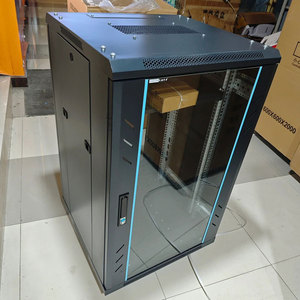
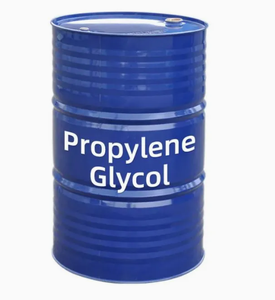
In modern international supply chains, procurement professionals have realized that procuring goods at a competitive factory gate price (EXW) means nothing if downstream transshipment, quay container congestion, and arbitrary customs audits destroy margin structures. As the manufacturing bedrock of global commerce, China's wholesale port logistics infrastructure is undergoing a structural paradigm shift from conventional forwarder intermediation to end-to-end engineered supply ecosystems.
Navigating China wholesale port logistics requires complete synchronization across maritime loading berths, local municipal bonded warehousing, port-drayage infrastructure, automated pre-classification under international Harmonized System (HS) conventions, and integrated inland drayage networks. Failure to harmonize these layers introduces compounding supply volatility: container demurrage penalties, terminal handling surcharges (THC), rolled cargo during peak vessel rotations, and severe cross-border border delays.
This industry brief outlines the systemic shifts transforming China wholesale shipping, providing enterprise procurement departments with actionable operational telemetry, verified routing methodologies, and risk mitigation strategies to maximize capital velocity.
| Chinese Coastal Hub | Primary Industrial Hinterland | Key Outbound Routes | Quay Turnaround Time | Recommended Cargo Profile |
|---|---|---|---|---|
| Ningbo-Zhoushan | Zhejiang, Jiangsu, Central China manufacturing belts | Transpacific, North Europe, Persian Gulf | 18 - 24 Hours | Heavy industrial equipment, flat-pack racks, hardlines, modern furniture |
| Shanghai (Yangshan/Waigaoqiao) | Yangtze River Delta, Automotive & High-Tech zones | Global Transoceanic direct loops | 22 - 30 Hours | Time-sensitive electronics, medical machinery, regulated solvents |
| Shenzhen (Yantian/Shekou) | Pearl River Delta (Guangdong electronics, consumer goods) | US West Coast express, Western Europe | 14 - 20 Hours | High-velocity consumer hardware, Amazon FBA replenishment, e-commerce |
| Qingdao | Shandong agriculture, heavy machinery, chemical processing | Intra-Asia, Transpacific, Latin America | 24 - 36 Hours | Cold-chain seafood/produce, chemical solvents (DPG/PG), raw metals |
Procurement teams are shifting away from spot-rate ocean freight trading to integrated supply chain infrastructure contracts. Here is how forward-thinking enterprises are restructuring their port logistics strategy over the next 36 to 60 months.
Instead of shipping raw palletized cargo directly to domestic receiving facilities, buyers are establishing origin-side sorting inside Chinese Free Trade Zones (FTZs). Goods are pick-packed, barcode-labeled, assembled into final SKUs, and dispatched directly into store-ready or FBA-ready configurations, slashing destination inland handling costs by 38%.
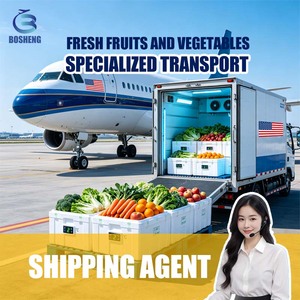
Cold chain logistics from China is shifting towards uninterrupted real-time IoT integration. Modern reefer units and automated port consolidation hubs continuously upload internal chamber temperatures, atmospheric nitrogen levels, and vibration data over cellular/satellite networks, mitigating catastrophic spoilage before customs handoff.
Global tariff volatility necessitates flexible transshipment strategies. Wholesale suppliers leverage bonded warehouse mechanisms across Ningbo, Yantian, and regional logistics hubs to execute legally compliant origin transformation, intermediate finishing, or customs bonding without incurring premature tax events.
The convergence of port automation, green corridors, and AI-driven document automation is resetting benchmarks for delivery velocity.
Chinese terminal hubs (e.g., Yangshan Phase IV) have shifted to automated guided vehicles (AGVs) and intelligent bridge cranes controlled by deep-learning dispatch software. This automation cuts average container dwell times from 4.2 days down to under 1.8 days, giving forwarders high scheduling certainty even amid unpredictable weather.
With the European Union ETS and evolving Scope 3 carbon mandates, maritime shippers are contracting alternative-fuel carrier vessels (methanol- and LNG-powered). Modern port suppliers now provide audited, lane-by-lane carbon output statements to satisfy corporate ESG reporting frameworks.
Paper-heavy document handoffs have given way to electronic data interchange (EDI) and blockchain-secured bills of lading. Origin declarations, hazardous material certificates (for DPG solvents), and automated phytosanitary clearances are matched ahead of vessel docking, driving customs clearance times down to just minutes.
Combining over a century of proven forwarding pedigree with real-time digital visibility, we eliminate supply friction across 122 destination nations.
Originally established in 1913, our logistics network provides multi-generational expertise across evolving trade policies, complex inland channels, and volatile shipping cycles.
Our in-house licensed customs brokers hold full AEO and C-TPAT accreditations, delivering green-lane customs priority and reducing port inspection risk.
Every account includes full cloud visibility: pinpoint real-time container tracking, predictive delay modeling, paperless documentation, and automated ESG carbon reports.
No unexpected terminal surcharges, hidden currency adjustment factors, or surprise demurrage fees. We provide itemized, all-inclusive freight quotes from day one.
Essential answers for supply chain managers, procurement executives, and import directors.
Connect with our senior port logistics engineers today. We analyze your cargo profile, audit documentation compliance, and structure optimized wholesale freight agreements across major global trade lanes.
Contact Us