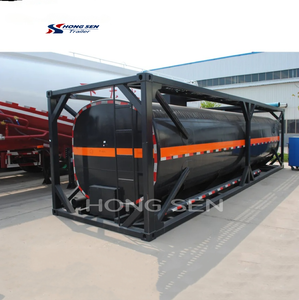
Large-Capacity Bulk Liquid Container - Flexible Loading and Unloading
Engineered for chemical and food-grade industrial liquids, offering seamless intermodal transfers with zero decanting loss.
Inquire Now
Combining heavy-duty bulk handling hardware, certified Hazmat handling, intelligent sortation robotics, and end-to-end bonded fulfillment networks across primary transatlantic, Asia-Pacific, and Middle Eastern corridors.
Engineered for chemical and food-grade industrial liquids, offering seamless intermodal transfers with zero decanting loss.
Inquire Now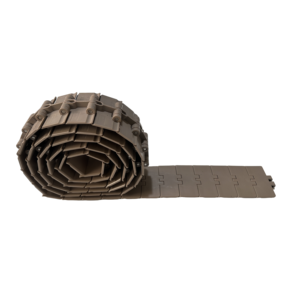
Heavy-duty automation component designed for high-speed fulfillment centres, sorting modules, and high-throughput packaging lines.
Inquire Now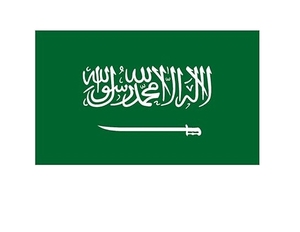
SABER-compliant consolidated air and ocean freight providing seamless delivery into Riyadh, Jeddah, and Dammam under complete DDP terms.
Inquire Now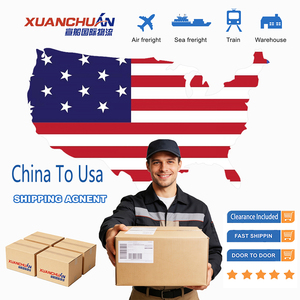
High-priority air consolidation channels utilizing direct transpacific charters for project cargo, heavy tooling, and fast-track fulfillment.
Inquire Now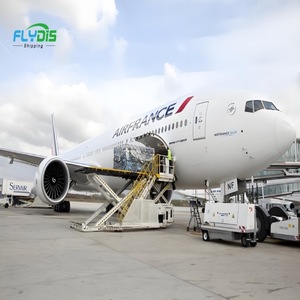
Strict UN38.3, MSDS, and DG-certified export packaging and line-haul forwarding for lithium-ion cells, powders, and fine chemical goods.
Inquire Now
Tax-deferred free trade zone warehousing, enabling SKU-level sorting, kitting, repackaging, and multi-supplier containerization.
Inquire Now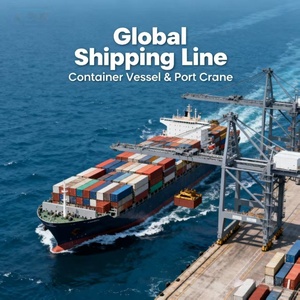
Full compliance forwarding for dangerous goods including flammable liquids and oxidizers, audited under DOT and IMO vessel standards.
Inquire Now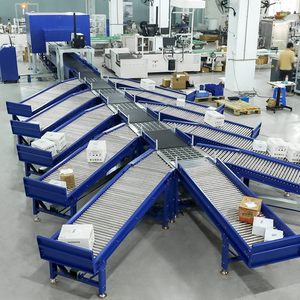
High-speed dynamic Dimensioning, Weighing, and Scanning (DWS) hardware with direct API synchronization for automated cross-docking hubs.
Inquire NowIn the contemporary landscape of distributed global manufacturing, contract manufacturing models (OEM and ODM) face unprecedented friction. Volatile ocean carrier booking cycles, localized port congestion, escalating demurrage rates, and rigorous customs surveillance demand a paradigm shift from disjointed transactional Less-than-Container-Load (LCL) bookings to engineered, multi-vendor Buyer's Consolidation (B-Consol) architectures. For chief supply chain officers, manufacturing plant managers, and strategic procurement teams, freight consolidation is no longer a downstream logistics transaction; it is an upstream production control system.
Traditional LCL shipping is managed at the discretion of common carrier consolidators who combine heterogeneous cargo from hundreds of unrelated shippers into a single box. The cargo suffers multiple touchpoints: offloading at off-dock Container Freight Stations (CFS), excessive restacking, cross-dock transit delays, and elevated loss/damage risks. Crucially, if a single package within a generic LCL container encounters a customs clearance hold (such as misdeclared HS codes or intellectual property audits), the entire container is detained, stranding essential assembly components.
Conversely, customized OEM/ODM Freight Consolidation establishes a dedicated consolidation workflow. In this model, an appointed logistics engineering partner establishes a centralized bonded transit node adjacent to manufacturing clusters. Multiple OEM subcontractors, Tier-2 component vendors, and ODM assembly partners feed partial shipments directly into an authorized staging warehouse. Here, inventory undergoes dynamic quality assurance, computerized dimensioning and weighing (via integrated DWS hardware), and barcode relabeling. Cargo is sequentially packed into dedicated 40ft High Cube (HC) or specialized containers designed around the manufacturing client's production schedule. Once the container doors are sealed, the cargo travels under a single Master Ocean Bill of Lading (MBL), bypassing CFS deconsolidation terminals at destination ports and proceeding directly to plant gates or regional fulfillment nodes.
Procuring consolidated freight infrastructure directly drives tangible financial metrics across the profit and loss ledger. Traditional LCL freight forwarding structures notoriously obscure landed costs via arbitrary destination destination handling fees, Terminal Handling Charges (THC), container de-stuffing markups, and port documentation premiums. By consolidating multiple consignments into dedicated Full Container Loads (FCL), procurement directors eliminate destination CFS charges entirely, often yielding direct freight cost reductions between 28% and 42% per cubic meter (CBM).
Beyond baseline transportation rates, container space utilization climbs drastically. Standard factory-loaded mixed shipments frequently achieve less than 65% volumetric container load efficiency due to unstandardized packaging and unstackable cartons. Implementing standardized modular containers, plastic flat-top conveyor integration, and algorithmic pallet planning increases usable container cube capacity to upwards of 92%, effectively eliminating one full ocean container for every four moved across transpacific or Asia-Europe lanes. Crucially, this volumetric efficiency aligns directly with corporate ESG (Environmental, Social, and Governance) scorecards, drastically reducing carbon emissions per ton-kilometer transported.
As electronic hardware, electric mobility equipment, and high-performance manufacturing components integrate high-density lithium-ion cells, liquid resins, and volatile chemical compounds, compliance frameworks have tightened under IMDG, ICAO/IATA, and national DOT regulations. Shipping Class 3 flammable liquids, Class 8 corrosives, or UN38.3 certified battery arrays requires specialized segregated consolidation facilities. Attempting to route hazardous materials through standard commercial LCL networks invariably results in customs seizures, rolled bookings, and catastrophic plant line stoppages. An integrated OEM consolidation supplier provides climate-controlled, explosion-proof staging infrastructure, UN-certified packaging verification, and licensed in-house dangerous goods declarations, guaranteeing unimpeded export customs clearance.
Drawing on an unbroken 110-year forwarding legacy, family-owned stewardship, and certified trade compliance networks.
We do not broker out customs compliance. With licensed, in-house customs brokers and tier-1 trade security accreditations (Authorized Economic Operator and C-TPAT), your consolidated containers undergo priority customs processing with minimal physical inspections across the UK, US, European Union, and Middle Eastern entry ports.
Every enterprise customer is granted complimentary, complete access to our proprietary cloud-based visibility platform and mobile ecosystem. Monitor container location in real time via satellite telemetry, receive predictive delay intelligence driven by AI port feeds, and generate audit-ready ESG carbon footprint reports automatically.
Founded in 1913, our fourth-generation global organization maintains dedicated operational headquarters in Manchester, UK, reinforced by self-operated regional offices in the USA, China, and the United Arab Emirates. We command preferential carrier allocations across 679 primary shipping lanes spanning 122 sovereign nations.
How forward-thinking procurement directors are re-engineering international logistics to withstand systemic geopolitical and technological shifts.
As contract manufacturers diversify production lines across Vietnam, Malaysia, Thailand, and India, modern consolidation suppliers must offer interconnected regional feeder routes. Multi-country consolidation (MCC) allows buyers to merge Tier-1 electronics from Shenzhen with textiles or enclosures from Hai Phong into a single intermodal vessel, drastically reducing customs administrative burdens.
Manual measuring tape and static scale inspections are obsolete. Modern bonded consolidation nodes are retrofitted with high-speed Dynamic Dimensioning, Weighing, and Scanning (DWS) conveyor gantries. AI-driven 3D bin-packing engines calculate container weight distribution down to the millimeter, maximizing container stability while adhering to strict axle weight limits across US and EU highways.
Under CSRD regulations in Europe and tightening SEC disclosures in North America, procurement teams must audit carbon footprints at the SKU level. Freight consolidation stands as the most accessible lever for immediate emissions mitigation. By swapping fragmented air freight for expedited ocean-rail hybrid consolidation networks, carbon intensity drops by up to 88% per unit moved.
Essential operational insights compiled by our licensed customs brokers and global freight directors.
Standard carrier LCL combines goods from hundreds of independent, unvetted merchants into a common container. Consignees have zero control over how cargo is handled, packaged, or deconsolidated, and destination delivery is routinely crippled by extraneous port fees and CFS delays.
OEM/ODM Buyer's Consolidation builds an exclusive pipeline where your dedicated shipments from pre-selected vendors are assembled at our regional bonded hub. You determine pallet configurations, carton labeling, inspection standards, and dispatch schedules. The goods travel as a full container (FCL), eliminating CFS destination markups, preserving complete commercial privacy, and guaranteeing seamless delivery directly to your facility.
Demurrage and detention fees accrue primarily due to inaccurate documentation, unapproved customs entry, or terminal equipment bottlenecks. We proactively manage these exposures through three core mechanisms:
First, we negotiate extended container free-time allowances (often 14 to 21 days) directly into master ocean carrier contracts. Second, our licensed customs brokers conduct pre-clearance filings prior to vessel berthing. Third, our proprietary visibility platform tracks demurrage clock milestones in real time, automatically deploying drayage haulage teams the moment a container discharges onto the quay.
Yes. In standard multi-tier manufacturing setups, individual suppliers negotiate varying commercial terms. Our bonded consolidation hubs operate licensed bonded cross-dock facilities capable of handling split Incoterms smoothly.
For EXW vendors, our regional drayage fleet manages factory gate collections, export licensing, and inland transport. For FOB vendors, we receive cargo at our warehouse receiving docks, cross-referencing commercial invoices and packing lists. All partial shipments are unified under a singular, clean export consolidation declaration, simplifying accounting and tax reconciliation for your procurement division.
Consolidating hazardous chemicals, industrial batteries, or flammable materials requires strict regulatory compliance under IMDG (ocean) and ICAO/IATA (air) legal codes. Shippers must present verified UN-rated packaging, current Material Safety Data Sheets (MSDS), and UN38.3 lithium battery test summaries.
Our operations staff includes certified Dangerous Goods Specialists (DGR) who inspect packaging, affix official hazard warning diamonds, and draft the Multimodal Dangerous Goods Declaration (MDGF). This meticulous verification ensures your cargo is safely accepted onto vessels without delay or maritime penalty.
Dynamic Dimensioning, Weighing, and Scanning (DWS) machines instantly scan barcodes, calculate certified volumetric dimensions, and record certified gross weights in fractions of a second as parcels glide across the conveyor.
This automated data capture eliminates billing discrepancies between suppliers and buyers, prevents container weight-distribution violations, and feeds instant volumetric data to container load planning software. The result is rapid cross-dock turnaround, zero manual data entry errors, and optimal container space utilization.
Eliminate fragmented carrier markups, eliminate transit blindspots, and engineer predictable door-to-door delivery. Connect with our senior logistics architects to review your procurement lane profiles, customs documentation, and container loading schedules.
Inquire Now