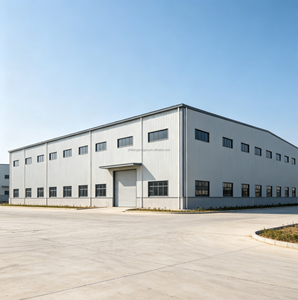

Engineered hardware and freight deployment protocols tailored for global resource hubs, extraction concessions, and remote processing complexes.
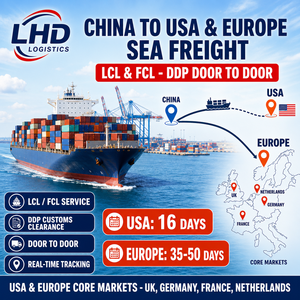
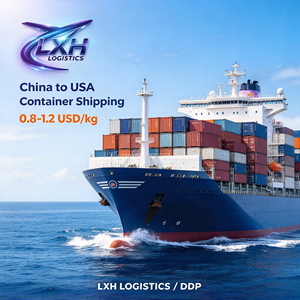
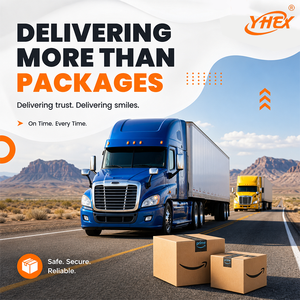
A heritage-backed global freight management ecosystem delivering precision cargo routing, project cargo mobilization, and licensed tariff navigation across all continents.
Operate under accredited Authorised Economic Operator (AEO) status and Customs-Trade Partnership Against Terrorism (C-TPAT) validation. Our fully bonded customs architecture minimizes physical inspection bottlenecks and expedites port clearance for industrial machinery.
Direct Group operational offices situated across key strategic gateways: Manchester HQ (United Kingdom), Los Angeles & Chicago (United States), Ningbo, Shanghai & Shenzhen (China), and Dubai (United Arab Emirates), providing uninterrupted round-the-clock clearance dispatch.
Full proprietary shipment control through live API feeds. Clients access predictive delay algorithms, proactive demurrage/detention buffers, document synchronization, and automated Scope 3 greenhouse gas carbon output reporting compliant with corporate audits.
.png) AEO Certified
.png) C-TPAT Validated
.png) WCA Intermodal World Member
.png) IATA Endorsed Forwarder
.png) BIFA Standard Trading Protocol
Operational blueprints for executing turnkey transportation, ball mill dispatch, heavy machinery staging, and last-mile remote concession hauling.
Mining exploration sites, ore concentrators, and solvent extraction plants frequently require oversized equipment—such as SAG mills, cone crushers, slurry autoclaves, and hydraulic excavators—that exceed ISO shipping container profiles. OEM/ODM project forwarding requires accurate technical rigging analysis prior to departure. Our engineering division conducts structural center-of-gravity calculations, bespoke lashing schema design, and load-spreading cradle manufacturing compliant with international maritime and inland transport standards.
By coordinating specialized heavy-lift multi-axle modular trailers (SPMTs), drop-deck flat beds, and gearless heavy-lift vessel charters, our dedicated transport logistics engineers eliminate cargo shifting risks across dynamic sea states and extreme unpaved mine-access corridors.
Extraction fields in regions such as the Pilbara, the African Copperbelt, the Atacama Desert, or Northern Ontario are characterized by extreme geography, seasonal monsoon washouts, permafrost thaw, and zero railhead access. True OEM/ODM logistics integration pairs international port-of-entry drayage with forward marshalling yards and bonded regional staging hubs.
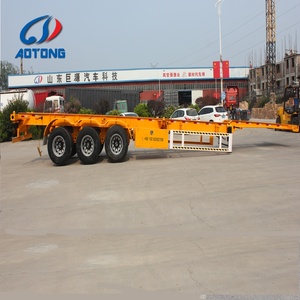
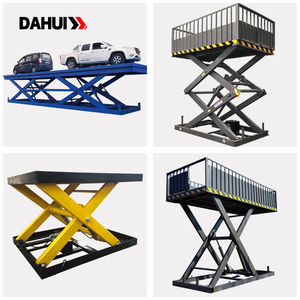
We deploy modern skeletal trailers, heavy tractor units, and high-capacity hydraulic scissor cargo lifts within pre-engineered prefab warehouse staging zones. Consolidating bulk spare parts, grinding media, chemical reagents, and structural steel frames into scheduled regional truck convoys protects mine sites against stock-outs, mitigating the substantial financial losses of unplanned mill downtime.
Mining equipment procurement involves high-value cross-border financial transactions subject to intense customs inspection, anti-dumping reviews, dual-use export checks, and complex tariff classifications. WTA's in-house licensed customs brokerage professionals manage accurate Harmonized Tariff System (HTS) mapping, customs valuation declarations, import duty drawback schemes, and temporary duty-free equipment bonds (ATA Carnets).
Our direct interface with customs platforms across North America, Europe, Australia, and Asia ensures full regulatory compliance, preventing administrative holds, storage surcharges, and costly border demurrage penalties.
Critical trends reshaping international mineral logistics procurement, supply chain risk mitigation, and capital equipment delivery frameworks.
Global EPC contractors are shifting away from on-site construction toward skid-mounted, pre-commissioned processing modules manufactured offshore. Sourcing contracts now demand transport providers capable of handling multi-hundred-tonne oversized skids with millimetric transit tolerances and automated shock-data recording.
Institutional green financing and mining ESG mandates require auditable lifecycle carbon calculations from equipment fabrication through to mine-site delivery. Modern procurement requires transparent vessel lane emissions benchmarking, bio-fuel freight options, and real-time environmental reporting.
Sovereign investments in lithium, nickel, cobalt, and rare earth supply chains have created stringent customs tracking and chain-of-custody documentation rules. Sourcing partners require trusted forwarders with AEO/C-TPAT credentials and integrated multi-modal infrastructure to prevent geopolitical supply halts.
Operational, contractual, and technical answers compiled by our heavy project freight specialists.
Accurate quotation requires: exact dimensions (length, width, height) and weight per unit; technical drawings identifying center-of-gravity and lifting points for OOG items; HTS commodity classifications; packing style (skidded, breakbulk, containerized); origin loading specifics; destination discharge conditions; and desired Incoterms (e.g., EXW, FOB, DAP, or DDP with full customs entry). Our engineering division evaluates route limitations including bridge weight ratings, overhead cable clearances, and turning radii.
Demurrage and detention fees quickly escalate when oversized industrial components arrive without pre-cleared customs paperwork or adequate receiving equipment. We mitigate this through pre-lodging import documentation via our licensed customs brokers, securing extended container free-time agreements (typically 14–21 days) during carrier contract negotiation, and pre-positioning skeletal trailers, SPMTs, and drayage fleets before the transport vessel docks.
Yes. Our global logistics network regularly coordinates multimodal freight combinations connecting ocean breakbulk or container transport, bonded railway transfers, and specialized off-road heavy-haul trucking. Our scope covers initial port discharge, onward transit permits, civilian police escorts for super-loads, and temporary bridge reinforcement across remote mining access corridors worldwide.
Every customer is provided free enterprise access to our proprietary visibility platform. The system consolidates real-time GPS telemetry from vessels, railways, and hauliers, runs predictive algorithms to identify weather or labor-induced disruptions, centralizes bills of lading and commercial documentation, and produces automated Scope-3 carbon reporting to assist your sustainability audits.
Traditional freight intermediaries operate on fragmented subcontracts, leaving cargo exposed during transshipment handovers. Choosing an integrated partner means structural warehouse engineering, lifting machinery (such as stationary scissor cargo lifts), container drayage chassis fleets, and global customs brokerage are coordinated under a unified project manager, standardizing safety protocols and lowering operational risks.
Partner with an international freight forwarder backed by 110+ years of operational expertise, licensed customs brokerage, proprietary visibility software, and heavy industrial cargo transport infrastructure across 122 countries.