Industry Intelligence Whitepaper
The New Architecture of International B2B & Direct-to-Consumer Freight
Cross-border e-commerce has outgrown standard legacy postal networks and basic consolidation models. Enterprise procurement leaders and global brand exporters now require resilient, multi-tiered infrastructure capable of absorbing ocean container imbalances, sudden customs tariff revisions, and volatile consumer demand.
110+
Years Logistics Heritage (Since 1913)
6,000+
Active Global Shippers Supported
679
Optimized Trade Corridors
122
Countries Fully Serviced
Modern cross-border fulfillment demands end-to-end synchronicity across sea freight, air consolidations, rail dry ports, and last-mile drayage networks. To retain operational margin in competitive digital marketplaces, modern exporters must mitigate structural choke points such as port dwell delays, destination demurrages, chassis deficits, and undocumented dangerous goods classification hold-ups. The integration of transparent pricing architecture and deep-tier customs compliance safeguards supply chains from unpredictable financial friction.
Modal Evaluation Framework for Enterprise Exporters
Balancing delivery speed, emissions compliance, and landed landed unit economics across key cross-border corridors:
| Logistics Vector |
Typical Velocity (Asia-EU/US) |
Cost Profile Per Metric Ton |
CO2e Footprint Index |
Ideal Inventory Class |
| Full Container Load (FCL) Ocean |
26 – 40 Days Door-to-Door |
Lowest (Baseline) |
Optimal (~15-25g CO2/ton-km) |
High-volume retail inventory, heavy equipment, industrial radiators |
| Direct Multimodal Sea + Drayage |
20 – 26 Days Door-to-Door |
Low-Medium |
Low (~30g CO2/ton-km) |
Tier-1 automotive subassemblies, manufacturing tooling |
| Trans-Eurasian Rail Corridors |
16 – 22 Days Terminal-to-Terminal |
Medium (~2.5x Ocean) |
Moderate (~45g CO2/ton-km) |
High-turnover seasonal collections, mid-urgency industrial hardware |
| Temperature-Controlled Cold Air |
3 – 6 Days Express Door-to-Door |
Premium (~6-9x Ocean) |
High (~500g CO2/ton-km) |
Biopharmaceuticals, active vaccines, precision biologicals |
| Class 9 Hazmat Bonded Freight |
18 – 28 Days Special Regulated |
Specialized Scale |
Calibrated to routing |
Lithium-ion energy storage, industrial chemical inputs |
Emerging Trends Shaping Global E-Commerce Logistics Procurement
Strategic shifts enterprise procurement officers must incorporate into upcoming cross-border freight allocation cycles.
1. Decoupled Nearshore & Buffer Warehousing
Exporters are stepping away from direct pure-drop shipping models in favor of blended coastal hub positioning. Forward-deploying FCL inventory at gateway terminals (e.g., Oakland, Long Beach, Felixstowe) dramatically compresses regional order-to-dispatch lead times.
2. Strict ESG Auditing and Carbon Tracking
Global supply chains now measure transport performance through audited carbon indicators. Corporate governance dictates precise measurement of Scope 3 emissions, driving demand for fuel-efficient coastal carriers and multimodal rail networks over air-freight pipelines.
3. Digitalized Dynamic Clearance Architecture
Regulatory updates across the US, UK, and European customs environments require digital item-level documentation. Authorized Economic Operator (AEO) status and pre-lodged C-TPAT credentials protect exporters against devastating customs border holds.
Engineering Horizons: Future Innovations in Transport Solutions
How automation, IoT temperature sensors, and chassis dispatch optimization are transforming modern shipping efficiency.
IoT-Connected Active Cold Containment
Cold chain logistics products, such as flexible vaccine and pharmaceutical shipping compartments, now deploy continuous cellular-enabled temperature loggers. Exporters monitor payload integrity down to +/- 0.1°C variations throughout multi-leg transshipments.
Dynamic Container Drayage Management
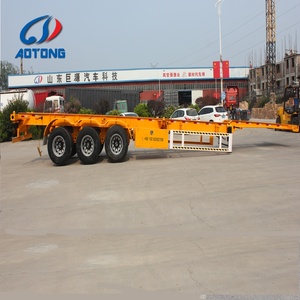
Terminal port congestion is countered by automated chassis booking portals. By aligning skeletal chassis pools directly with rail transfer stations and drayage fleets, operators eliminate auxiliary storage penalties and equipment demurrage.
Specialized Hazmat Compliance Automation
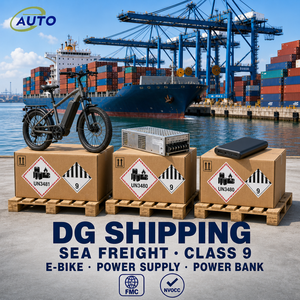
Exporting Class 9 hazardous goods (lithium-based power banks, electric drive packs) demands strict adherence to UN packaging standards. Modern forwarders apply algorithmically generated dangerous goods manifests that auto-reconcile with maritime booking systems.
Century-Proven Heritage
Why Enterprise Shippers Partner with WTA Group
Founded in 1913 by Ernest Sommer, WTA Group has evolved across four generations of family-led stewardship into a globally trusted freight forwarding powerhouse. With our international headquarters based in Manchester, UK, and long-standing operating units positioned across the United States, China, and the UAE, we manage complex supply routes with local trade compliance intelligence.
Uncompromising Transparency
Logistics should never be an opaque maze. We engineer upfront, all-in cost frameworks—actively eliminating unbudgeted origin surcharges, terminal demurrage surprises, and chassis split line-items.
Accredited Trade Authority
Backed by certified Authorized Economic Operator (AEO) status, IATA certifications, BIFA membership, and C-TPAT customs security protocols for reliable border passage.
Proprietary Digital Platform
Every client receives complimentary, 24/7 access to the WTA visibility platform: monitor live global telemetry, predict potential port disruptions, manage digital documentation, and export verified ESG metrics.
Frequently Asked Questions: Global E-Commerce Logistics & Freight Sourcing
Essential regulatory, pricing, and operational insights for international logistics directors.
What differentiates DDP ocean freight from standard CIF terms for e-commerce exporters?
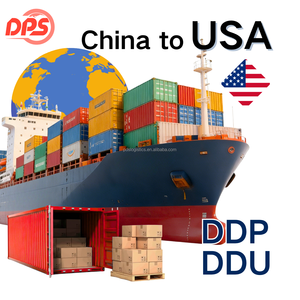
Under Delivered Duty Paid (DDP), the exporter or their appointed forwarder assumes total logistical and financial responsibility—including export handling, ocean transit, destination port clearance, customs duties, applicable excise taxes, and final inland delivery to the destination warehouse or fulfillment hub. In contrast, Cost, Insurance, and Freight (CIF) terminates seller responsibility upon arrival at the destination sea port, exposing buyers to unpredictable terminal charges, customs release complications, and secondary drayage headaches. DDP remains the gold standard for seamless cross-border marketplace replenishment.
How can shippers avoid unexpected container demurrage, detention, and chassis fees?
Container demurrage (fees within the port terminal) and detention (fees for keeping the container chassis beyond allowed terms) are mitigated by negotiating extended free time (typically 14-21 days) in your initial service contract. WTA proactively utilizes dedicated chassis fleets and inland drayage scheduling to evacuate containers immediately upon vessel offloading, pre-clearing all customs entries prior to dock arrival.
What documentation is mandatory for Class 9 Hazmat and battery logistics?
Shipping Class 9 environmental hazard goods or lithium-based electronic machinery requires an updated Material Safety Data Sheet (MSDS/SDS), a UN 38.3 Test Summary Report verifying drop and vibration safety, a formal Dangerous Goods Declaration (DGD), and certified UN-rated packaging with specified labeling. Working with certified forwarders ensures international IMDG and ICAO conformity without border confiscation.
How does the Trans-Eurasian rail freight corridor compare to ocean routing?
Rail freight bridging East Asia to European rail hubs provides a reliable middle ground between ocean and air cargo. Transit times generally run between 16 to 22 days—saving over 20 days door-to-door relative to standard maritime sailing schedules around active maritime bypass routes—while generating roughly 85% less carbon expenditure compared to scheduled air freighters.
How does real-time IoT tracking ensure cold-chain payload safety?
Temperature-sensitive commodities, such as vaccines, pharmaceuticals, and industrial food supplies, use cellular/satellite IoT loggers placed directly inside cold parcels or refrigerated containers. These monitors transmit continuous data streams indicating internal core temperature, ambient relative humidity, shock vectors, and GPS positioning, allowing rapid intervention before payload spoilage occurs.
Ready to Fortify Your Global Supply Chain?
Connect with our senior multimodal freight team to audit your current route economics, streamline customs compliance, and optimize transit velocity across your global trade lanes.



.png)
.png)
.png)
.png)
.png)