
In modern intermodal freight operations, shipping non-standard, heavy-lift, or Out-of-Gauge (OOG) cargo—such as heavy mining machinery, industrial turbines, yachts, and pre-fabricated structural steel—presents severe structural and logistical bottlenecks. Traditional dry van containers lack the physical dimensions and structural load-bearing capacity required for these oversized payloads. Flat Rack (FR) shipping containers, engineered with reinforced steel floors and high-tensile end walls, serve as the indispensable backbone of global industrial logistics.
Selecting a top-tier Flat Rack container manufacturer or exporter requires examining critical engineering benchmarks: yield strength of Corten SPA-H steel, corner casting compliance under ISO 1161, dynamic floor loading capacity, and international safety certifications such as CSC (Container Safety Convention) and DNV 2.7-1 for harsh offshore applications. This comprehensive guide synthesizes decade-long industrial procurement data, structural safety parameters, and market foresight to empower global buyers, logistics directors, and project engineers in optimizing their heavy-lift intermodal procurement strategies.
Discover our fleet of certified flat rack equipment, heavy-lift shipping containers, and specialized intermodal transport solutions engineered for extreme payloads.
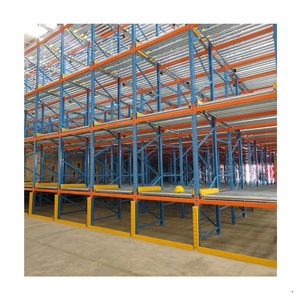
High-density gravity flow racking designed for heavy industrial integration and seamless material handling.
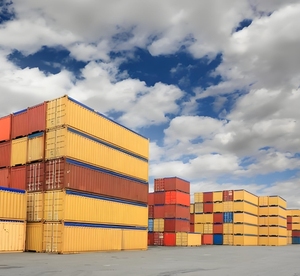
Tailored OOG container freight handling with end-to-end customs and lashing verification.
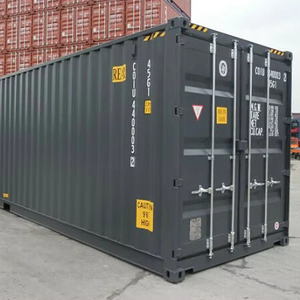
CSC-certified reconditioned flat rack containers offering high strength at cost-effective price points.
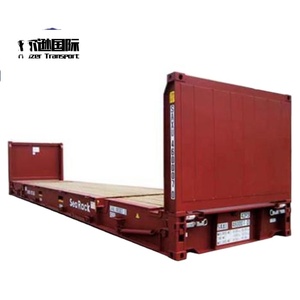
Factory-direct heavy duty transport chassis and flatbed rack units optimized for intermodal transfers.
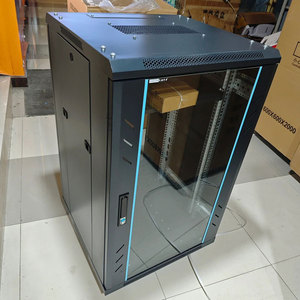
Space-saving flat-pack modular metal structures engineered for minimal export freight volume.
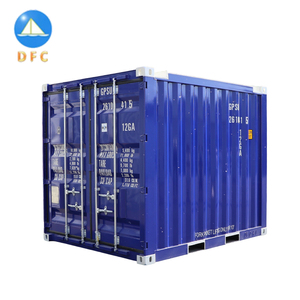
DNV 2.7-1 / EN12079 compliant offshore units built for extreme subsea and rig logistics environments.
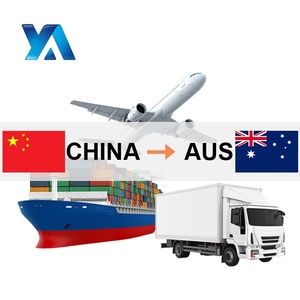
Specialized Oceania ocean routes with pre-cleared customs, breakbulk integration, and quay monitoring.
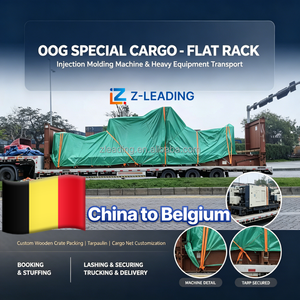
Engineered heavy-lift marine logistics featuring certified marine survey lashing and dynamic load calculation.
Engineering parameters comparing standard, heavy-duty collapsible, and offshore certified Flat Rack container variants.
| Specification Parameter | 20ft Fixed End FR | 40ft Collapsible End FR | 45ft High-Payload FR | DNV 2.7-1 Offshore FR |
|---|---|---|---|---|
| Primary Steel Grade | Corten-A / SPA-H | Corten SPA-H / S355J2 | High-Tensile S460QL | Normalized Structural Steel |
| Max Gross Weight (MGW) | 34,000 KG | 45,000 - 50,000 KG | 52,000 KG | Specified by Rig Standard |
| Tare Weight (Approx.) | 2,750 KG | 4,900 - 5,800 KG | 6,200 KG | Varies based on frame design |
| Lashing Ring Capacity | 3,000 - 5,000 KG each | 5,000 - 10,000 KG each | 10,000 KG reinforced | Tested to 12,000 KG D-Rings |
| Flooring Material | 28mm Keruing Hardwood | 45mm Hardwood / Steel Plate | Heavy Steel Checkered Plate | Non-slip Steel Grid / Plate |
| Primary Application | Compact heavy machinery | Long excavators & pipes | Extreme industrial modules | Subsea & offshore oil rigs |
When selecting a top tier Flat Rack shipping container factory and exporter, project logistics managers must conduct comprehensive structural and operational due diligence. Below is the multi-point technical framework used by world-class procurement directors:
Top factories exclusively utilize anti-corrosive Corten SPA-H or high-yield S355J2 steel. This prevents microscopic stress fractures under cyclic wave loading during ocean transit and protects against high-salinity corrosion environments.
Legitimate export units must carry a valid CSC (Container Safety Convention) plate stamped by classification societies such as Bureau Veritas (BV), ABS, Lloyd's Register (LR), or DNV GL, verifying ISO 1496-5 structural testing compliance.
Heavy equipment transport requires high-strength lashing points. Premier manufacturers integrate side bottom rail D-rings rated from 5,000 kg to 10,000 kg, ensuring compliance with the IMO CSS Code Annex 13 for non-standard cargo securing.
For collapsible end flat racks, hinge mechanics represent a major failure point. Leading factories engineer flush-folding counter-balanced spring mechanisms with automated safety latch locks to prevent accidental collapses during dock handling.
How smart telemetry, lightweight alloy composites, and green manufacturing are transforming flat rack container manufacturing and global ocean freight.
The integration of satellite-connected IoT devices directly into the flat rack base structure is becoming standard. These real-time telemetry units monitor dynamic lashing tension, tilt angles, thermal variations, and structural stress during ocean passage, delivering predictive alerts before cargo shifting occurs.
Next-generation flat racks utilize advanced thermomechanically rolled micro-alloyed steels and carbon-composite floor panels. This structural evolution slashes container tare weight by up to 18% while expanding net payload capacity up to 55 metric tons, maximizing freight efficiency per TEU.
In alignment with IMO 2050 decarbonization mandates, top exporters are transitioning to solvent-free zinc-rich waterborne coatings and 100% recyclable floor composites, replacing traditional tropical Keruing timber to eliminate deforestation impacts.
Backed by over 110 years of unbroken logistics heritage (founded 1913 by Ernest Sommer), our group operates across 122 countries with 679 active trade lanes. We combine factory-direct equipment engineering with global vessel space guarantees.
Our international team holds Authorised Economic Operator (AEO) and C-TPAT security accreditations, ensuring expedited border clearance and priority quay releases for out-of-gauge shipments.
Every client receives complimentary access to our cloud-based visibility platform, offering live vessel tracking, predictive delay modeling, automated document storage, and instant ESG carbon calculations.
We don't just supply flat racks; our certified marine surveyors calculate weight distribution vectors, dynamic ocean acceleration forces, and supply stamped lashing certificates recognized by top ocean carriers.
In-depth technical answers addressing common engineering, operational, and financial inquiries from international procurement buyers.
Fixed End Flat Racks feature permanently upright steel end walls that provide exceptional longitudinal stability and rigid stacking strength. Collapsible End Flat Racks incorporate heavy-duty hinged end walls that fold completely flush into the floor structure. Collapsible units allow long cargo (such as pipes or structural beams) to overhang horizontally and enable empty containers to be stacked up to 4-7 units high into a single standard container slot during ocean repositioning, drastically lowering empty repositioning freight costs.
Under SOLAS (Safety of Life at Sea) regulations, the shipper is legally mandated to provide an accurate Verified Gross Mass (VGM). For Flat Rack cargo, VGM equals the tare weight of the flat rack plus the certified weight of the cargo, timber dunnage, steel chains, turnbuckles, and lashing materials. Weighing must be conducted via calibrated weighbridges (Method 1) or by adding certified cargo/lashing weights to the container's stamped tare weight (Method 2). Non-compliant VGM submissions result in immediate terminal rejection and severe vessel loading penalties.
Standard intermodal flat racks must comply with ISO 1496-5 and hold a CSC plate for ocean vessel carriage. However, offshore flat racks operating in marine oil fields or rig support environments must meet much stricter certifications: DNV 2.7-1 / EN 12079 or ISO 10855 standards. Offshore units undergo dynamic impact drop testing, non-destructive testing (NDT) on primary welds, lower temperature structural impact tests (-20°C to -40°C), and must feature integrated certified lifting slings and shackles.
Ocean freight pricing for OOG Flat Racks includes the base container freight rate plus OOG surcharge fees based on lost slots (Lost Slot Capacity). If cargo exceeds the width or height of the flat rack, it blocks adjacent container slots vertically or horizontally on the container vessel. Ocean lines charge for every blocked slot. Furthermore, port terminal handling charges (THC) and special floating crane surcharges may apply if the cargo requires specialized heavy-gear lifting.
The IMO Code of Safe Practice for Cargo Stowage and Securing (CSS Code) Annex 13 requires that total lashing capacity must withstand dynamic forces experienced at sea: pitch, roll, heave, and yaw accelerations. Lashing equipment (steel chains, webbing straps, turnbuckles) must be matched to the rating of the flat rack’s D-rings. Friction-enhancing rubber mats must be placed beneath metallic cargo, timber shores must distribute weight across bottom cross-members, and lashing angles should ideally remain between 30° and 60° to optimize restraining forces.
Yes. Secondhand flat racks can be re-certified provided they undergo a formal CSC inspection by an accredited surveyor. The inspector evaluates floor cross-member deflection, corner casting structural integrity under ISO 1161, hinge locking pins, bottom side rail rust scale, and end wall squareness. Once repaired according to ICL (Institute of International Container Lessors) standards, a updated CSC inspection sticker is applied, certifying the unit for active ocean trade for an additional 30 months.
The standard flooring option is 28mm to 45mm tropical Keruing or Apitong hardwood, chosen for its high density, oil resistance, and bending strength. However, for extreme point-load applications—such as tracked excavators or concentrated steel coils—factories offer heavy-duty steel checkered plate flooring or hybrid steel-reinforced composite decks, preventing floor punch-through risks during heavy loading.
Demurrage and detention fees for flat racks are significantly higher than standard dry containers due to limited carrier inventory. To mitigate costs, buyers should pre-clear customs prior to vessel discharge using an accredited AEO broker, pre-arrange low-boy or multi-axle heavy haulage transport licenses in advance, request extended quay free-time (e.g., 7 to 10 days) during freight negotiation, and utilize real-time visibility platforms to monitor precise AIS vessel arrival ETA timing.
Consult directly with our project engineering and export specialists. Receive custom container technical CAD quotes, marine lashing plans, and door-to-door ocean freight estimates tailored to your project schedule.