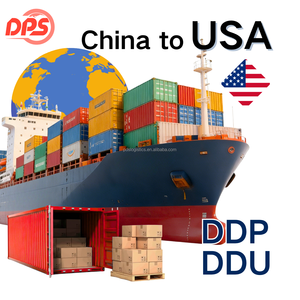

Engineered for global freight resilience, these proven intermodal transport systems and containerised sorting technologies eliminate intermediate drayage bottlenecks and optimise total landed costs across North American, European, and trans-Eurasian trade routes.
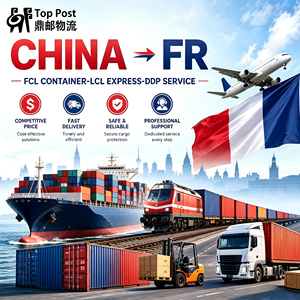
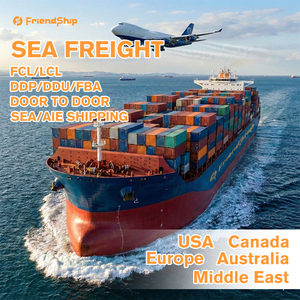
Intermodal transportation is fundamentally an exercise in risk engineering. WTA Group eliminates handoff friction between deep-sea vessels, domestic double-stack rail, and regional drayage fleets with end-to-end single-carrier liability and accredited regulatory governance.
Direct in-house customs brokerages holding Authorised Economic Operator (AEO) status in the UK and European Union, alongside Customs-Trade Partnership Against Terrorism (C-TPAT) validation in the USA. We facilitate green-lane inspections, bypassing terminal holds and pre-clearing cargo while containers are still underway.
Unlike asset-light brokerage platforms that subcontract handling to unvetted third parties, our regional operations across Manchester (UK HQ), Los Angeles/New York (USA), Shanghai/Shenzhen (China), and Dubai (UAE) ensure hands-on oversight, bonded warehousing, and cross-docking infrastructure at key transshipment gateways.
Every account is integrated into a unified visibility engine providing container-level telemetry, automated predictive delay mitigation, Scope 3 greenhouse gas calculations (GLEC accredited), and direct order-level line item auditing—completely free of licensing fees.
Procurement directors must look beyond static per-container ocean rates. Total cost of ownership requires balancing inventory carrying costs against capital depreciation and transport emissions. Review our modal trade-off analysis below.
| Transport Configuration | Average Transit (China-to-Midwest/EU) | Landed Cost Index | CO2e Grams / Ton-KM | Ideal Inventory Class | Demurrage & Detention Exposure |
|---|---|---|---|---|---|
| Pure Ocean Freight (FCL Port-to-Port) | 35 – 45 Days | Baseline (1.0x) | 10 – 15 g | Low-value raw commodities, heavy machinery, buffer stock | High risk during port congestions (requires 14+ free days) |
| Intermodal Rail-Ocean Link (IPI / DDP) | 22 – 28 Days | 1.25x – 1.40x | 18 – 25 g | High-cube consumer goods, tier-1 industrial electronics, furniture | Low; pre-cleared ramp pickup eliminates terminal demurrage |
| Eurasian Cross-Border Rail Landbridge | 16 – 20 Days | 1.80x – 2.10x | 22 – 30 g | Automotive KD components, retail seasonal fashion, electronics | Minimal; fixed inland customs borders and scheduled block trains |
| Multimodal Sea-Air Hybrid (via Dubai/Singapore) | 12 – 15 Days | 3.20x – 4.00x | 120 – 180 g | High-demand product launches, critical warranty spares | Virtually zero; dedicated cross-docking tarmac transshipment |
| Direct Air Cargo Expedited | 3 – 6 Days | 8.50x – 12.0x | 500+ g | Pharma, semiconductor chips, AOG (Aircraft on Ground) | Negligible storage; fast-turn customs pre-release |
*Empirical averages derived from WTA Group trade-lane historical telemetry across 679 active corridors.
The global trade landscape is undergoing structural realignments. From nearshoring along the USMCA corridor to stringent European ESG mandates, forward-thinking enterprises are re-engineering their logistics architectures around four core technological shifts.
Manufacturing expansion in northern Mexico has turned the Laredo gateway into a major bottleneck. Progressive procurement frameworks are pivoting away from pure highway trucking toward integrated cross-border rail ramps (such as CPKC lines) paired with automated drop-trailer intermodal yards, slashing cross-border wait times by up to 68%.
Port dwell times continue to fluctuate under shifting alliance schedules. Modern intermodal supply chains bypass high-cost coastal terminal gates by transferring containers immediately onto on-dock double-stack rail corridors straight into inland distribution centers (e.g., Chicago, Kansas City, Duisburg, Prague), drastically reducing demurrage liabilities.
With the enforcement of the European Union's Corporate Sustainability Due Diligence Directive and Carbon Border Adjustment Mechanism (CBAM), enterprise procurement teams now treat carbon as a hard cost. Switching 1,000 km of domestic long-haul road freight to electrified rail freight slashes route-level GHG emissions by up to 76% per shipment.
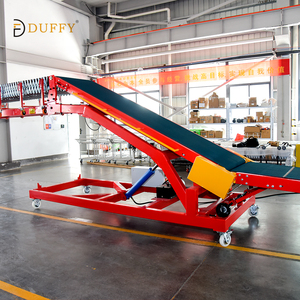
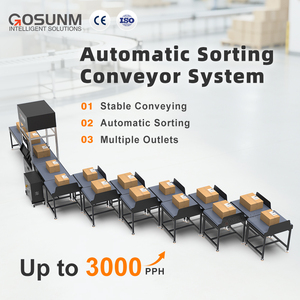
Manual destuffing and restuffing represent major labor bottlenecks and primary vectors for cargo claims. Warehousing operations are rapidly deploying flexible continuous loading conveyors and AI optical sorting chutes (such as the Duffy Conveyor Series) to turn around 40HQ containers in under 45 minutes.
Key operational clarifications regarding bill of lading structures, demurrage mitigation, customs classifications, and multi-carrier cargo liability.
While both involve two or more transport modes (e.g., ocean, rail, road), multimodal transportation operates under a single contract or Combined Transport Bill of Lading (CTBL), where one freight forwarder takes sole legal responsibility from origin to destination across every mode. In contrast, standard intermodal transportation often divides carrier liability among separate contracts for each leg (ocean line, drayage haulier, rail operator). WTA Group provides complete single-source combined bills of lading, ensuring complete cargo liability protection under unified insurance covenants.
Demurrage and detention fees quietly inflate landed logistics costs when port terminals congest. By utilising through-intermodal routing (e.g., IPI—Inland Point Intermodal), ocean carriers move containers directly from the vessel hold onto scheduled on-dock rail wagons bound for inland terminals before free time begins. This bypasses congested marine terminal gates, avoids chassis shortages, and provides up to 10 additional free operational days at domestic inland ramps.
Yes. Heavy machinery and oversized structural equipment can move seamlessly across rail and road networks using specialised intermodal rolling stock—including heavy-duty depressed-center flatcars, well cars, and modular drop-deck hydraulic trailers. Our specialized Project Cargo Engineering division calculates axle-load distributions, bridge clearances, and overhead electric line tolerances across both North American Class I railroads and European TEN-T networks, securing required out-of-gauge permits well in advance.
Under Delivered Duty Paid (DDP) terms, the supplier or its representative handles all customs tariffs, value-added taxes, and regulatory clearances. WTA Group’s in-house licensed customs brokers leverage AEO and C-TPAT credentials to execute pre-arrival filings—submitting Automated Commercial Environment (ACE) declarations in the US and Goods Vehicle Movement Service (GVMS) filings in the UK. This regulatory integration ensures customs holds are resolved long before the vessel docks or the train reaches the border crossing.
Our digital visibility infrastructure integrates directly with EDI and API endpoints across major steamship lines, national railroad track-side transponders, and road telematics units. Shippers access an intuitive real-time dashboard displaying satellite positions, predictive transit alerts powered by historical lane analytics, and dynamic Scope 3 carbon footprint reporting mapped directly to EN 16258 and GLEC Framework standards.