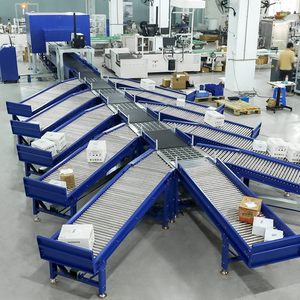
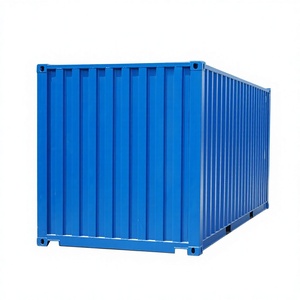
Precision-fabricated infrastructure, automated sorting integration, and breakbulk maritime handling configured to eliminate cargo dwell time, optimize transshipment safety, and support heavy industry projects.
In-depth structural breakdown of shifting trade corridors, risk mitigation frameworks, and technical innovations governing high-tonnage international engineering projects.
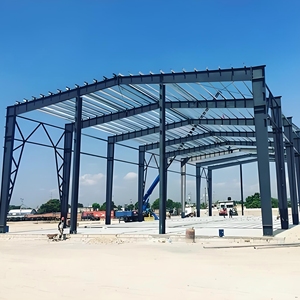
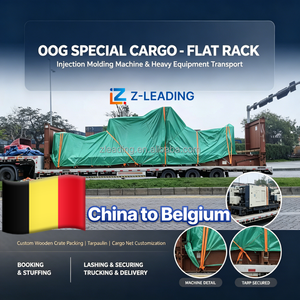
Global Engineering, Procurement, and Construction (EPC) consortiums are rapidly replacing on-site civil works with Pre-Engineered Building (PEB) modules and factory-calibrated structural systems. This procurement pivot minimizes domestic labor shortages and site delays but requires heavy-lift logistic exporters capable of engineering multi-axle roll-on/roll-off (Ro-Ro) handling and heavy flat-rack sea freight with millimeter clearance tolerances.
Complex breakbulk transshipment often suffers catastrophic supply chain leakage from unvetted port storage and terminal equipment demurrage. Leading logistics buyers now demand contracts with integrated pre-cleared free-time agreements and certified route surveys prior to shipping. Choosing forwarders with in-house licensed customs brokers and direct wharf access drastically curbs unforeseen post-fixture expenses.
Corporate ESG directives are reshaping industrial project freight. Procuring organizations are shifting long-haul routes from standard breakbulk charters to high-efficiency sea-rail corridors and modern hybrid inland barge channels. Integrated dynamic tracking allows logistics directors to quantify carbon emissions per freight tonne-kilometer while ensuring heavy machinery maintains rigorous delivery schedules without environmental penalty.
The convergence of industrial automation, dynamic dimensional profiling, and algorithmic transport modeling in modern heavy-duty cargo manufacturing and distribution.
Manual measuring of irregular project cargo and high-value equipment is obsolete. The adoption of Dynamic DWS (Dimensioning, Weighing, and Scanning) systems guarantees ultra-precise volume validation, eliminating unexpected carrier re-measurement surcharges. Integrated data pipelines pipe dimensional profiles straight into maritime load plan software for optimal vessel stability calculations.
Modern mega-project delivery relies on active IoT sensors transmitting real-time vibration, shock, humidity, and tilt parameters on sensitive turbines and industrial modules. Combined with predictive AI algorithms, port congestion trends and storm patterns are circumvented via proactive re-routing, giving supply chain managers end-to-end command of their international assets.
Customs friction represents the single largest bottleneck for Out-of-Gauge machinery. Enterprise logistics manufacturers now fuse digital customs brokerage with Authorised Economic Operator (AEO) status. Machine-readable tariff classifications, automated bonded warehouse management, and bilateral customs fast-tracking minimize frontier dwell times across Europe, North America, and East Asia.
Combining over a century of proven global freight handling with specialized mechanical manufacturing, licensed customs authority, and real-time visibility platforms.
Founded in 1913, our logistics network provides multi-generational expertise across complex maritime, rail, and heavy overland transport operations.
Strategically deployed engineering and freight offices in the UK, USA, China, and UAE (30 min from Jebel Ali Port), assuring compliance with local jurisdictions.
Direct priority clearance channels through international customs authorities, drastically mitigating audit delays and port demurrage risks.
Complimentary real-time digital dashboard on desktop and mobile, delivering telemetry tracking, predictive delay modeling, and automated ESG carbon reports.
Proven track record serving top international enterprise clients, providing transparent, all-in quotes that eliminate post-shipment hidden fee spirals.
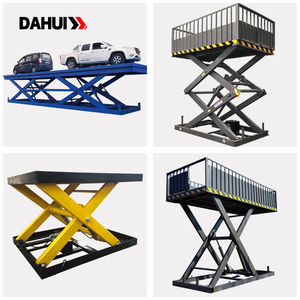
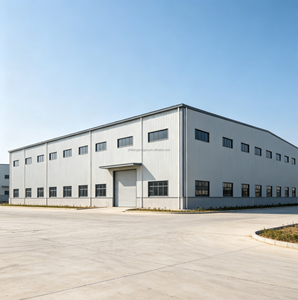
Unified supply chain engineering combining pre-fabricated steel warehousing, stationary hydraulic cargo lifts, and specialized flat-rack ocean charters.
Key technical, regulatory, and financial questions answered by our heavy-lift engineering and maritime logistics specialists.
Project Cargo involves the transport of large, heavy, high-value, or complex pieces of equipment—often including breakbulk machinery, pre-assembled structures, and industrial components—requiring individualized route surveys, structural engineering assessments, and tailored charter solutions rather than simple containerized handling.
Every out-of-gauge shipment undergoes thorough pre-lashing calculations adhering to international IMO/ILO/UNECE codes. We utilize certified high-tensile steel chain lashings, custom timber saddles, and anti-slip rubber dunnage, verified by independent marine warranty surveyors before issuing bill-of-lading clearance.
For large-scale industrial projects, DAP (Delivered at Place) or DDP (Delivered Duty Paid) are frequently requested by buyers to consolidate transport risk under the exporter. However, FCA (Free Carrier) or CPT (Carriage Paid To) can offer significant procurement savings when working with a freight forwarder holding licensed in-house customs brokerage at both origin and destination.
Demurrage risks are mitigated by negotiating extended container free-time (typically 14 to 21 days) well before departure. Our global port teams coordinate heavy haulage permits, crane schedules, and direct wharf discharge in advance, ensuring equipment departs terminal zones before free time expires.
Yes. Our PEB steel warehouse systems are engineered with modular components optimized for standard 40ft High Cube containers. For extra-large spans and non-standard trusses, specialized open-top containers or flat-rack multi-modal units are deployed, safeguarding structural coatings and anti-corrosion treatments throughout the maritime voyage.
Our proprietary platform fuses vessel AIS satellite tracking, IoT environmental sensors, and port EDI connections. It notifies procurement stakeholders of transit events, gate checks, customs clearance stamps, and predictive weather impacts across all 679 active global lanes without manual intervention.