
Maintaining thermal integrity across cross-border trade corridors demands an integrated architecture of automated AS/RS warehouse systems, active and passive parcel engineering, real-time IoT validation, and licensed customs clearance. Discover engineered solutions manufactured and exported for biopharma, perishables, and specialized industrial sectors worldwide.



Thermal supply chain management has evolved from reactive insulated packaging to proactive, automated end-to-end logistics ecosystems. When evaluating primary global manufacturers and export forwarders, enterprise supply chains prioritize three core operational matrices:
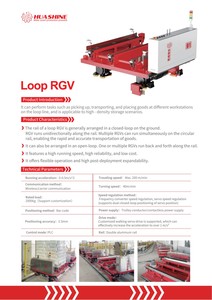
Modern temperature-sensitive warehousing integrates High-Bay Automated Storage and Retrieval Systems (AS/RS), 4-Way Shuttles, and Autonomous Mobile Robots (AGV/AMR) operating smoothly within deep-freeze zones (-25°C to -40°C).
Clinical vaccine distribution and high-value biological reagents require specialized packaging technologies that prevent thermal excursions during intermodal cross-docking transitions.
Cold chain integrity collapses if shipments face prolonged port or border holdups. Complete compliance infrastructure ensures zero-delay border clearances on specialized perishables and Class 9 hazmat chemicals.
| Cold Transport Modality | Thermal Tolerance Range | Door-to-Door Transit Duration | Carbon & Energy Index | Target Application Sectors |
|---|---|---|---|---|
| Automated Reefer Sea Freight | -35°C to +30°C (±0.25°C precision) | 28 – 42 Days (Intercontinental) | Lowest kg CO₂/TEU footprint | Bulk produce, food & beverage, wine, bulk pharmaceutical APIs |
| Temperature-Secure Air Cargo | -80°C (Dry Ice) to +25°C Controlled | 2 – 5 Days (Worldwide) | High Carbon / Express Premium | Finished biological vaccines, clinical oncology trials, urgent organs |
| Trans-Eurasian Reefer Rail | -25°C to +20°C Dual-GenSet | 14 – 18 Days (Asia to Western Europe) | Balanced Eco-Transit (75% < Air) | High-value consumer tech, precision electronic wafers, fine chemicals |
| Intermodal Reefer Road Haulage | Multi-zone split (-20°C / +4°C / Ambient) | 1 – 4 Days (Intra-Regional) | Optimized First/Last-Mile | Retail grocery cross-docking, temperature-critical hospital replenishment |
Supply chain directors and global procurement heads are restructuring their cold logistics vendor selection frameworks around three core systemic trends:
Logistics contracts now mandate live sensor data transmission (cellular and satellite IoT) monitoring core temperature, ambient humidity, tilt, light breach, and battery levels. Next-generation platforms leverage machine learning algorithms to predict refrigeration compressor failures 8 hours prior to mechanical degradation.
Single-use EPS styrofoam shippers are being phased out in favor of reusable, returnable bio-based Phase Change Material (PCM) packaging pods. Manufacturers now offer integrated closed-loop reverse logistics networks to sanitize, re-condition, and recertify vacuum containers across major manufacturing hubs.
Global pharmaceutical regulators (US FDA, EMA, WHO) have heightened Good Distribution Practice (GDP) enforcement. Shippers must maintain audit-ready, tamper-evident digital records. Cold chain exporters lacking automated digital manifest integration face severe quarantine delays and regulatory penalties at border inspection posts.
Founded in 1913 by Ernest Sommer, WTA Group combines fourth-generation stability with cloud-native logistics visibility platforms to protect temperature-critical supply lines across 122 nations.
.png)
High-tier customs clearance priority ensuring unhindered port passage for perishable containers.
.png)
Direct priority allocations on primary commercial and cargo air fleets for urgent temperature-sensitive biological shipments.
.png)
Seamless cold chain handling protocols across 679 trade lanes with vetted local reefer hauliers.
.png)
Strict operational compliance, cargo insurance, and ethical freight management audited yearly.
Enterprise buyers should evaluate manufacturers and export partners on five core criteria: 1) Proven thermal mapping and container insulation performance (tested under ISTA 7D/7E standards), 2) Real-time telemetry capabilities (continuous cellular/satellite IoT data logging of temperature and vibration), 3) Multimodal carrier network reach with dedicated reefer equipment, 4) Certified regulatory compliance (GDP, AEO, C-TPAT, IATA), and 5) Integrated customs brokerage capable of resolving transit documentation issues before containers reach destination ports.
Temperature-controlled rail freight—especially along the Trans-Eurasian trade corridor—delivers an optimal middle ground between maritime shipping and air freight. Rail provides door-to-door transit times up to 20 days faster than ocean reefer vessels while reducing freight expenditures by up to 60% compared to heavy air cargo payloads. Dual-diesel generator reefer containers ensure steady temperature regulation (-25°C to +20°C) across extreme desert and sub-zero Siberian transit sectors.
Every additional hour an insulated container sits waiting for customs inspection risks thermal excursions or auxiliary generator fuel depletion. As an Authorised Economic Operator (AEO) and C-TPAT certified forwarder, WTA submits electronic declarations prior to vessel docking, executes pre-clearance green-channel routing, and schedules prioritized plug-in holding bays at marine terminals to protect sensitive cargo from unexpected delays.
Active systems utilize electrical refrigeration compressors or cryogenic mechanical systems to continuously regulate internal temperatures regardless of external weather shifts. They are typically utilized for long-distance air or maritime bulk cargo. Passive packaging systems use vacuum insulation panels (VIP), dry ice, or advanced phase change materials (PCMs) to absorb or dissipate heat without mechanical power, making them ideal for last-mile clinical deliveries, vaccines, and regional parcels.
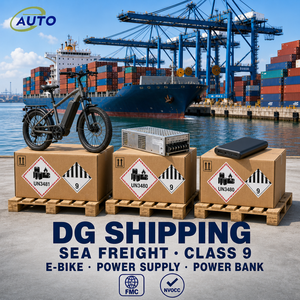
Yes. WTA specializes in hazardous and environmental cargo routing, including lithium-ion battery arrays and temperature-vulnerable chemical substances under Class 9 Hazmat DDP shipping parameters. Our staff ensures correct hazardous documentation, UN packaging standards, and direct temperature-stabilized vessel allocations across key US and European trade lanes.
Consult with our international freight directors and cold storage specialists to design custom multimodal trade lanes, review your thermal packaging specifications, and access real-time visibility dashboards.