Tier-1 Global Freight Forwarding Infrastructure

Top Trusted Charter Freight Services Manufacturer & Exporter

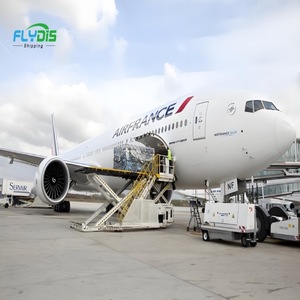
Precision Air, Maritime & Intermodal Charters Engineered for Mission-Critical Supply Chains, High-Compliance Cargo, and Direct Global Distribution.

Industrial Assets & Logistics Execution

Verified Charter Equipment & High-Velocity Freight Solutions

Explore our integrated portfolio spanning heavy-duty handling machinery, Class 9 Hazmat compliance export lanes, specialized temperature-regulated containers, and dedicated trans-Pacific shipping capacity.

110+
Years of Freight Forwarding Lineage
6,000+
Global Enterprise Clients Managed
679
Active Charter & Multimodal Lanes
100%
Licensed AEO & C-TPAT Customs Control
Institutional Capability

Why Tier-1 Global Procurement Teams Entrust Us With Mission-Critical Freight

In modern high-stakes supply chains, charter services must eliminate systemic volatility. Our multimodal framework integrates deep carrier alliances, hardware manufacturing, and customs sovereignty.

Licensed Customs Brokerage Sovereignty

Unlike third-party freight resellers, our in-house licensed customs brokers manage Authorised Economic Operator (AEO) and C-TPAT validated clearance across the UK, USA, Europe, and Asia. We preemptively audit tariff code classifications, handle dual-use declarations, and eliminate border demurrage before vessel arrival.

Integrated Equipment & Hardware Assets

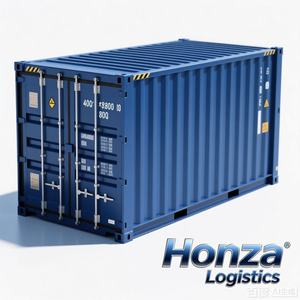
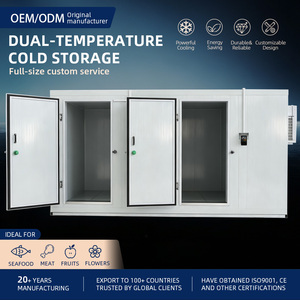
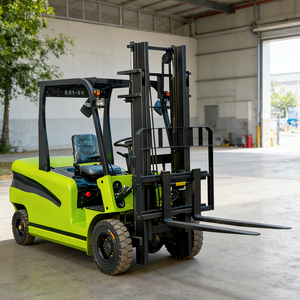
We solve the global supply chain dilemma at its source by combining charter execution with certified logistics hardware manufacturing. From ISO-certified 20GP/40HC shipping containers to CE-certified electric handling vehicles and multi-zone cold stores, our clients receive both physical capacity and execution capability.

Guaranteed Heavy-Lift & Hazmat Protocol

We deploy specialized charter frameworks for Class 9 lithium batteries, sensitive industrial liquids, fine chemical powders, and breakbulk engineering modules. Our certified IATA cargo specialists and naval architects engineer bespoke stowage plans, heavy-lift lashing calculations, and end-to-end UN-tested packaging validation.

Proprietary Real-Time Control Tower

Every charter movement is monitored through our 24/7 centralized visibility platform. Utilizing live GPS telematics, container vibration sensors, temperature loggers, and predictive AI voyage delay algorithms, procurement managers preserve complete cargo sovereignty, risk mitigation, and automated ESG carbon analytics.

Zero-Hidden-Fee Commercial Integrity

Transparent pricing is an operational mandate. Our itemized quotes clearly delineate terminal handling charges (THC), bunker adjustment factors (BAF), peak season surcharges (PSS), and chassis fees upfront. We build guaranteed free time allowances directly into charter agreements to insulate you from exorbitant demurrage.

Multi-Jurisdiction In-Country Representation

Direct ownership of operational facilities across Manchester, Chicago, Shanghai, Shenzhen, and Dubai ensures your logistics bypass third-party agents. Our local on-the-ground inspectors oversee customs documentation, cross-dock devanning, and final-mile distribution across Europe, the Americas, and Africa.

Industry Whitepaper & Strategic Foresight

Navigating Global Freight Procurement Trends & Macro Disruption

Strategic analysis for Chief Supply Chain Officers (CSCOs) and global procurement directors navigating port congestions, geopolitical realignments, and Scope 3 ESG mandates.

Logistics & Charter Vector Full / Split Air Charter Dedicated Ocean FCL Charter Cross-Border Rail Freight Bonded Hub & Multimodal Road
Typical Transit Speed 2 to 5 Days Door-to-Door 28 to 42 Days Port-to-Port 16 to 22 Days Terminal-to-Terminal 1 to 4 Days Regional Inland
Cost Profile per Tonne Premium (Urgent & High-Value) Lowest (Economies of Scale) Moderate (Mid-Market Alternative) Variable (Distance Dependent)
Cargo Capacity Ceiling Up to 110 Tonnes (B747-8F) 18,000+ TEU Mega-Vessel Capacity 40 to 50 TEU Block Train Set Up to 26 Tonnes per Standard Trailer
Hazmat / Sensitive Suitability Strict ICAO Limitations (Pax/CAO) High IMDG Compliance Flexibility Moderate (Subject to Transit Nations) ADR Certified Hazardous Transit
Scope 3 Carbon Impact Highest (~500g CO2/tonne-km) Lowest (~10-15g CO2/tonne-km) Low (~20-25g CO2/tonne-km) Moderate (~60-90g CO2/tonne-km)
Frequently Answered Queries

Technical Charter Freight Procurement: Expert Questions & Answers

In-depth responses to critical logistical, contractual, and regulatory questions encountered by international trade managers.

How does booking a dedicated freight charter compare to scheduled commercial cargo space?

Scheduled commercial freight relies on carrier-dictated timetables and shared hold capacity. During peak cycles or geopolitical bottlenecks, cargo booked under general freight forwarder allocations is frequently "rolled" (bumped to later sailings or flights). A dedicated charter guarantees 100% payload capacity exclusively assigned to your cargo, operates on customized schedules, allows non-standard airport and port routings closer to the final destination, and ensures strict chain-of-custody control for sensitive or oversized machinery.

What regulatory standards govern the charter export of Class 9 lithium batteries and chemicals?

The export of sensitive goods—including lithium-ion power cells, industrial liquids, and chemical powders—is subject to rigorous multilateral conventions. Air charters must comply with the International Civil Aviation Organization (ICAO) Technical Instructions and IATA Dangerous Goods Regulations (DGR), demanding verified UN38.3 test summaries, drop-test-certified packaging, state of charge (SoC) restrictions under 30%, and certified Dangerous Goods Declarations (DGD). Ocean movements fall under the International Maritime Dangerous Goods (IMDG) Code, requiring specialized container segregation, valid safety data sheets (MSDS), and port authority approvals prior to berth loading.

How do AEO and C-TPAT accreditations protect shippers from costly border delays?

Authorised Economic Operator (AEO) status in the UK and European Union, paired with Customs-Trade Partnership Against Terrorism (C-TPAT) tier-validation in the United States, designates a logistics operator as a low-risk, trusted trader. This authorization grants tangible commercial advantages: significantly reduced customs inspection frequencies, prioritized physical examination when inspections are ordered, streamlined documentation processing, and expedited release from port terminals. This institutional status saves multinational shippers tens of thousands of dollars in potential demurrage, detention, and customs hold surcharges.

What is the difference between demurrage, detention, and port storage in charter agreements?

Port Storage: The tariff charged directly by the port terminal authority for container occupancy of dockside real estate past free days. Demurrage: The fee charged by the shipping line for using the container equipment while it remains inside the marine terminal terminal past agreed contractual free time. Detention: The fee levied by the equipment owner/carrier for holding the container outside the terminal (during transit, warehouse unloading, or drayage) before returning the empty equipment to the designated depot. Our charter contracts systematically build extended free time (14 to 21 combined days) to mitigate supply chain bottlenecks.

Can your team combine equipment manufacturing supply with turnkey destination delivery?

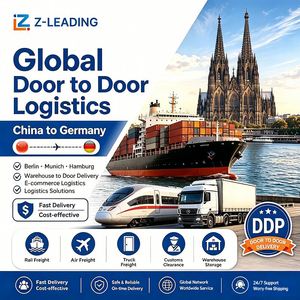
Yes. As an integrated manufacturer and exporter, our physical production assets—including electric warehouse forklifts, standard 20GP shipping containers, and dual-temperature modular cold storage rooms—are fabricated to rigorous ISO, CE, and international standards. Shippers can purchase these capital assets directly, utilize them to stow supplementary cargo, and leverage our in-house charter brokerage to execute turnkey door-to-door (DDP) multimodal delivery to job sites, manufacturing facilities, or retail distribution centers globally.

How are transit emissions calculated and audited for corporate ESG sustainability reports?

Our centralized visibility platform calculates Greenhouse Gas (GHG) emissions using the Clean Cargo Working Group (CCWG) and GLEC Framework principles, consistent with the international EN 16258 / ISO 14083 standard. Calculations account for well-to-wheel (WTW) lifecycle values based on actual distance traveled, modal utilization, carrier-specific fuel burn profiles, and gross weight. Verified third-party export reports can be generated per consignment, quarter, or annual trade lane, providing auditors with defensible Scope 3 supply chain footprint data.

Ready to Secure Guaranteed Charter Capacity & Equipment?

Bypass speculative freight spot markets. Connect immediately with our global charter flight directors, marine logistics planners, and licensed customs brokerage specialists to configure your tailored cargo execution plan.