Europe DDP Express
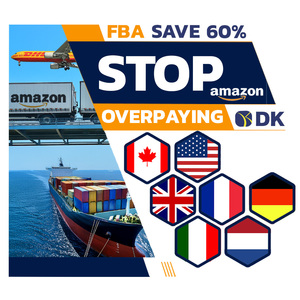

From heavy project engineering and Class 9 dangerous goods to expedited DDP air lanes, inspect our core multimodal transport architectures built for zero-defect customs clearance.
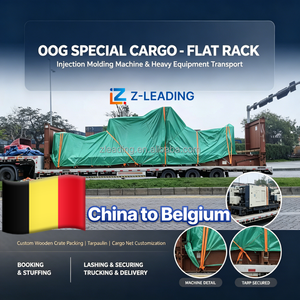
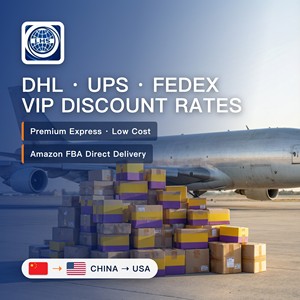
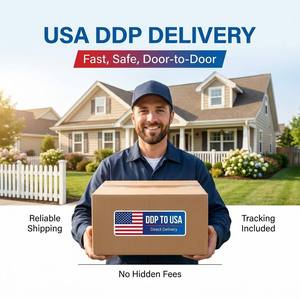
Global manufacturing procurement has pivoted from fragile "Just-in-Time" models to defensible "Just-in-Case" frameworks fortified by deep regulatory resilience. Cross-border buyers in North America, Europe, and Asia face unprecedented friction: shifting Harmonized System (HS) classifications, carbon-border tariffs, automated digital customs platforms, and regional content requirements under agreements such as USMCA.
As an authoritative export manufacturing partner and trade compliance hub, our operational infrastructure bridges physical manufacturing with regulatory enforcement. We eliminate the systemic margin erosion caused by unexpected Port Storage, Demurrage & Detention (D&D), re-weighing disputes, and administrative seizures at critical entry choke points like Rotterdam, Long Beach, and Felixstowe.
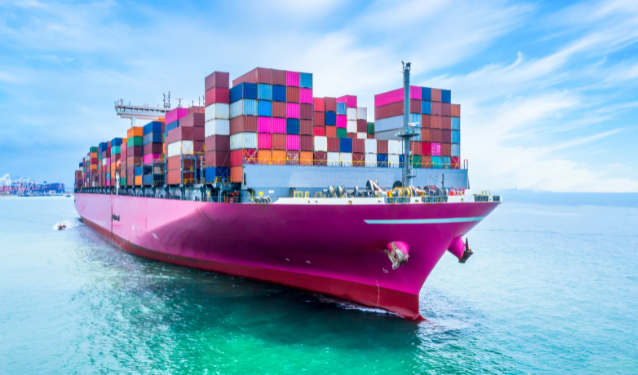
Fragmented supply chains collapse when communication between factory loading docks, container freight stations (CFS), and regional customs brokers fails. Our end-to-end framework unites container staging, DNV-certified structural securing, dangerous goods verification, and real-time electronic data interchange (EDI) filing directly into unified shipment workflows.
Operating our own bonded warehousing nodes ensures goods entering tariff-heavy zones remain duty-deferred until final dispatch. By leveraging licensed in-house customs brokers rather than subcontracted third parties, import declarations achieve immediate clearance, while our integrated visibility engines forecast geopolitical bottlenecks, terminal congestion, and equipment balance deficits weeks ahead.
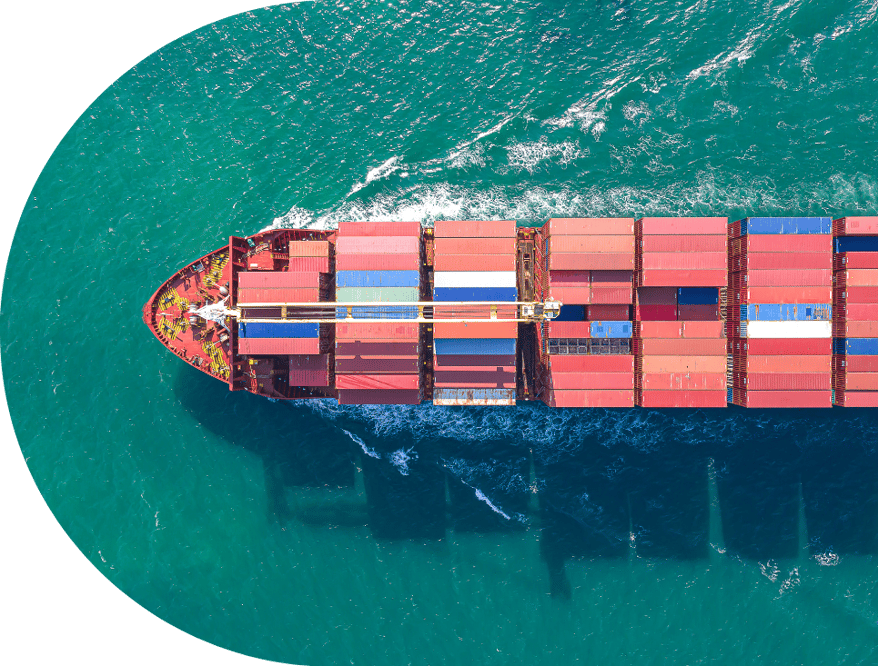
Anticipate regulatory tightening, automated compliance protocols, and green freight audits before they impact balance sheets.
Customs agencies worldwide (US CBP ACE, UK CDS, EU ICS2) require pre-departure line-item validation. Manual paperwork is obsolete; algorithmic risk scoring demands standardized digital manifests, HS subheadings, and origin documentation before vessels leave port.
Enterprise buyers are diversifying beyond single-mode dependence. The blending of ocean freight with overland rail corridors and regional bonded cross-docking cushions procurement strategies against canal transit restrictions, port strikes, and bunker fuel volatility.
The EU Carbon Border Adjustment Mechanism (CBAM) and corporate ESG reporting require auditable greenhouse gas tracking on imported metal, machinery, and manufactured goods. Carbon transparency is now a prerequisite for preferred enterprise vendor status.
.png)
.png)
.png)
.png)
.png)
Founded in 1913 by Ernest Sommer, our fourth-generation global enterprise couples an unmatched century-long track record with real-time digital visibility infrastructure.
Privileged fast-track customs clearance, prioritized physical inspections, and pre-vetted carrier clearance protocols across EU, US, and British ports of entry.
Tier-1 ocean contracts and guaranteed block-space airline agreements insulate customers from volatile spot rate spikes and rolled containers during Q4 volume surges.
Direct classification authority eliminates third-party broker communication gaps, preventing costly misdeclarations and maximizing Free Trade Agreement benefits.
Proprietary cloud platform calculates predictive ETA variances, tracks carbon output at the container SKU level, and centralized commercial invoice management.
Objective solutions for logistics directors, procurement heads, and supply chain managers.