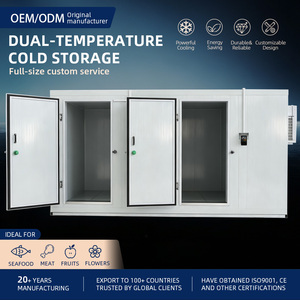

Explore our end-to-end multimodal logistics configurations, cold chain storage systems, and specialized industrial cargo handling platforms engineered for global trade efficiency.
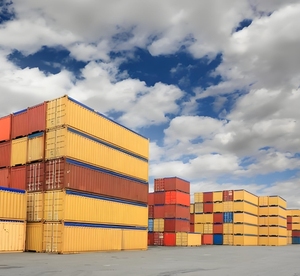

International commerce has entered an era of structural complexity defined by geopolitical shifts, volatile maritime corridor access, rigorous Scope 3 carbon mandates, and micro-tariff reclassifications. Today, top-tier freight forwarding suppliers operate as data-driven trade orchestrators. Cross-border resilience demands continuous multimodal optionality, dynamic inventory positioning, and end-to-end customs automation that protects shipments from border friction and demurrage escalation.
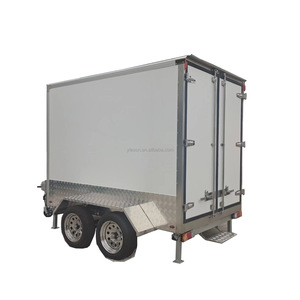
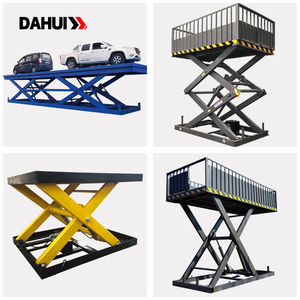
Modern procurement directors no longer evaluate logistics providers based on baseline ocean spot rates alone. The true cost of logistics encompasses indirect holding capital, customs dispute liabilities, unpredictable container demurrage, and delivery variance. By uniting physical handling infrastructure—such as dual-temperature cold chain trailers, heavy flat-rack drayage units, and industrial hydraulic elevation platforms—with real-time cargo telematics, enterprises create robust supply chains insulated from international transit volatility.
Procurement teams are shifting away from standalone freight quotes toward holistic landed cost models that account for terminal handling, documentation charges, regulatory clearance surety, and port dwell fees upfront.
Single-mode dependency presents severe vulnerability. High-reliability supply chains engineer baseline contracts incorporating pre-cleared rail corridors, air charter options, and regional trucking lanes within a single master framework.
Driven by the Corporate Sustainability Due Diligence Directive (CSDDD) and maritime carbon taxation, enterprise procurement requires verified, consignment-level carbon telemetry and green-corridor shipping alternatives.
Evaluate speed, carbon footprint, cost structures, and compliance parameters across core global logistics modes to optimize procurement strategies.
| Logistics Mode | Primary Advantages | Cost Baseline | Transit Expectation | Carbon Profile | Ideal Procurement Cargo |
|---|---|---|---|---|---|
| Ocean Freight (FCL/LCL) | Maximum volume efficiency, consolidated scale economies, global reach | Lowest per TEU | 28–45 Days (Trans-Continental) | Lowest per Ton-KM | Bulk commodities, consumer goods, stable manufacturing inventories |
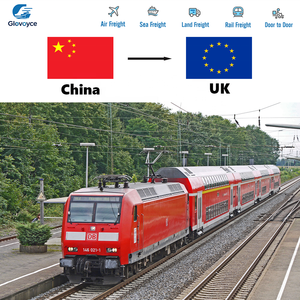
| Express Eurasia Rail | Saves up to 20 days over ocean, rapid customs clearance, steady schedule | Moderate | 14–20 Days Door-to-Door | Low (Electric Traction) | High-tech electronics, seasonal apparel, industrial assembly components |
| Air Cargo Expedited | Immediate delivery certainty, tight security, minimal buffer stock holding | Premium | 3–7 Days Door-to-Door | High | Perishables, mission-critical spare parts, high-value electronics |
| Cross-Border Road & Drayage | Guaranteed first and final-mile connectivity, point-to-point delivery | Flexible | 1–5 Days (Intra-Regional) | Moderate | Port container evacuation, regional cold storage links, factory replenishment |
The global trade ecosystem is undergoing fundamental operational transformation. As enterprises move toward just-in-case manufacturing models, supply chain networks must balance agility with cost efficiency. Real-time satellite-driven container monitoring now moves beyond GPS positioning to provide continuous data on interior ambient temperature, humidity thresholds, container door access, and g-force shock records during voyage transshipments.
Furthermore, the automation of customs clearances through unified API gateways enables customs declarations to clear before vessels berth at destination ports. Backed by AEO certification and automated HS classification engines, forward-thinking logistics operations virtually eliminate port dwell times and destination chassis detention costs.
Expert answers to the legal, operational, and financial considerations that procurement executives encounter when managing international freight corridors.
Partner with an international freight provider backed by 110+ years of logistics leadership. Gain full shipment visibility, reduce total landed costs, and streamline your customs clearances today.
Get a Quote