
Authoritative Engineering Report
Global Multimodal Intermodal Tank Container Architecture
Navigating global chemical, petrochemical, and food-grade bulk liquid logistics demands stringent safety adherence, verified ISO 1496-3 container integrity, and total supply chain agility. WTA delivers deep-domain engineering and worldwide freight coordination across 679 trade lanes.
110+
Years Industry Pedigree
6,000+
Enterprises Supported
122
Countries Covered
679
Active Global Lanes
Fleet & Equipment Matrix
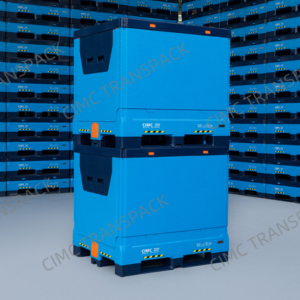
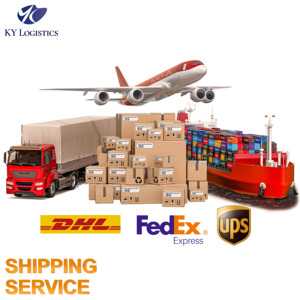
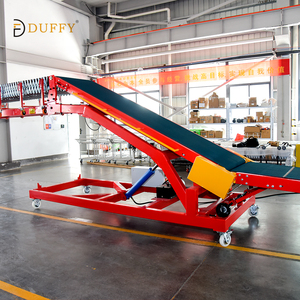
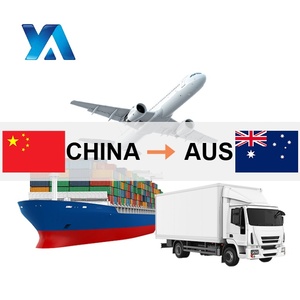
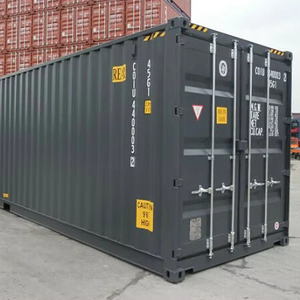
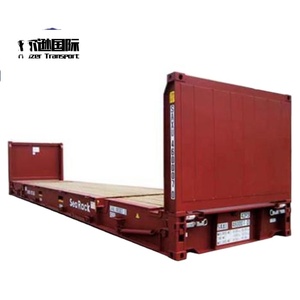
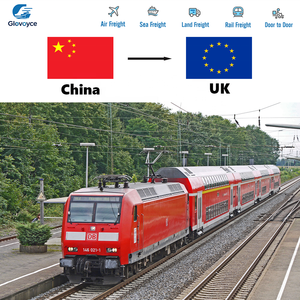
Featured Multimodal Shipping & Liquid Fleet Units
Standardized, certified intermodal containers and logistical systems tailored for high-stakes enterprise transport.
Procurement Intelligence
Engineering & Regulatory Frameworks of ISO Tank Logistics
An ISO tank container represents the engineering pinnacle of modern intermodal bulk liquid transportation. Built strictly to International Organization for Standardization specifications, these pressure vessels safely transport both hazardous and non-hazardous liquids, including specialty chemicals, food-grade oils, liquified gases, and pharmaceuticals across global maritime, rail, and highway routes.
Unlike conventional intermediate bulk containers (IBCs) or drum packing, ISO tank logistics eliminates drum recycling fees, drastically minimizes product residue (unpumpable heel drops below 0.1%), and mitigates personnel exposure during decanting operations. A typical 20-foot standard ISO tank holds between 21,000 and 26,000 liters—the functional equivalent of nearly 128 standard 55-gallon drums—reducing handling labor by up to 80% while enhancing vessel payload density.
| Tank Specification Parameter | T11 Standard Chemical Tank | T14 Corrosive / Acid Heavy Tank | T50 High-Pressure Gas Tank | Food Grade Sanitary Tank |
|---|---|---|---|---|
| Nominal Capacity | 21,000 – 26,000 Liters | 17,500 – 21,000 Liters | 24,000 – 24,500 Liters | 24,000 – 26,000 Liters |
| Shell Construction | 316L Stainless Steel (Cold Rolled) | 316L with Rubber / PTFE Lining | Fine Grain Carbon Steel Q345R/Q370R | 316L Polished Finish (Ra < 0.4 µm) |
| Test / Working Pressure | 6.0 Bar / 4.0 Bar | 6.0 Bar / 4.0 Bar | 27.5 Bar / 22.0 Bar | 4.0 Bar / 2.65 Bar |
| Heating / Thermal Control | Steam Jacket & Electrical Tracing | Optional External Steam Pads | Sunshield / Cryogenic Vacuum | Steam Coils with Polyurethane Insulation |
| Target Commodity Class | Solvents, Alcohols, Petrochemicals | Hydrochloric, Sulfuric & Nitric Acids | Propylene, Butadiene, LPG, Refrigerants | Edible Oils, Wine, Fruit Concentrates |
| Compliance Approvals | IMDG, RID/ADR, US DOT, ASME VIII | IMDG Toxic/Corrosive Class 8, ADR | IMDG Class 2, BAM, ASME U-Stamp | FDA, USDA, 3-A Sanitary Standards |
Procuring logistics services from certified suppliers requires verified documentation that conforms to IMDG (International Maritime Dangerous Goods code), CSC (Convention for Safe Containers), and RID/ADR regulations. Operating pressure vessels without calibrated relief valves, bursting discs, and periodic 2.5 and 5-year hydrostatic testing protocols introduces cataclysmic risk to shippers.
Forecasting & Procurement Insights
Future Strategic Trends in ISO Tank Procurement
As chemical supply chains evolve under strict decarbonization, digitalization, and geopolitical reshaping, industrial buyers must align with future-ready logistics suppliers.
Active Telematics & IoT Condition Monitoring
Modern procurement demands real-time monitoring far beyond static GPS coordinates. Shippers require smart tanks with ATEX-certified sensors tracking inner tank pressure, liquid temperature curves, shock detection, and electronic hatch tamper alerts, feeding live data straight into enterprise ERP systems via API gateways.
Decarbonization & Scope 3 Modal Shift
Sustainability criteria now command significant weight in corporate freight RFQs. Intermodal rail corridors (like the China-Europe Express) and short-sea routes yield up to 65% lower carbon emissions per ton-kilometer compared to pure road freight. Suppliers who automatically generate auditable GLEC-compliant emissions reports capture the strategic edge.
Circular Asset Fleets & Advanced Liners
The acceleration of single-use plastics bans and high steel commodity values has heightened demand for sustainable lining chemistries (ECTFE, PVDF, glass flakes) that allow standard stainless vessels to handle highly aggressive halide chemistries without requiring hyper-expensive exotic nickel alloys (Hastelloy C276).
Enterprise Pedigree
Why Global Enterprises Partner With Us for Hazardous & Liquid Freight
Founded in 1913 by Ernest Sommer and preserved across four generations of family-owned excellence, WTA Group combines century-old freight execution integrity with cutting-edge digital transport architecture.
Certified Customs Mastery
Fully certified AEO (Authorized Economic Operator) and C-TPAT accredited in-house customs brokerage teams ensure fast, compliant liquid tariff filing without port dwell penalties.
Proprietary Visibility Platform
Complimentary enterprise-grade shipment tracking, AI-powered predictive delay models, and automated ESG carbon reporting dashboard delivered free to every client.
Vetted Depots & Intermodal Network
Unrivaled access across 679 trade lanes with certified ISO tank cleaning bays, steam heating terminals, and emergency hazmat response networks stationed worldwide.
Knowledge Base
Frequently Asked Questions on ISO Tank Procurement
Expert answers to common engineering, logistical, and legal questions encountered during bulk liquid transport procurement.
What are the key technical differences between T11, T14, and T50 ISO tanks?
ISO tank "T-codes" are defined by the UN Recommendations on the Transport of Dangerous Goods. A T11 tank is the industrial workhorse, rated for 4 bar test pressure, bottom and top discharge, typically fabricated from 316L stainless steel for non-hazardous and moderately hazardous industrial chemicals, solvents, and food products. A T14 tank is explicitly engineered for toxic and highly corrosive chemicals (such as concentrated acids), featuring top-discharge only and specialized linings (PTFE or vulcanized rubber). A T50 container is a high-pressure vessel certified for liquefied pressurized gases (propane, butane, refrigerants) fabricated from quenched and tempered fine-grain carbon steel capable of sustaining operating pressures up to 22–27.5 bar.
What cleaning certificates (ECD) and residue protocols must suppliers provide?
Every reused tank container must carry a legally binding European Cleaning Document (ECD) or standard Cleaning Certificate from an EFTCO-accredited depot before loading. This document outlines the prior chemical cargo, the specific cleaning methods applied (high-pressure rotating spray nozzles, chemical detergent types, steam sanitation, and odor checks), and validates that gaskets, siphon tubes, and relief valves have been inspected and purged. For food-grade cargoes, kosher, halal, and allergen-free sanitization endorsements are obligatory.
How are temperature-sensitive bulk liquids maintained during intermodal transit?
ISO tanks leverage thick thermal insulation shells made of polyurethane foam or rock wool protected by fiberglass-reinforced plastic (GRP) or marine-grade aluminum jackets. For active heating, units are fitted with internal longitudinal or external steam heating coils (effective heating surface typically 8 to 12 m²), hot water circulation loops, or integrated electrical glycol tracing systems capable of maintaining viscous liquids like MDI, polyols, or food fats at designated pumping temperatures (40°C to 70°C) upon discharge at destination terminals.
What documentation and dangerous goods declarations are critical for sea export?
Shippers must furnish an authentic, updated 16-section Safety Data Sheet (SDS), an accurate Dangerous Goods Declaration (DGD) indicating the UN number, Proper Shipping Name (PSN), Class, Packing Group, Flash Point, and Emergency Response Action (ERG). Furthermore, a Container Packing Certificate, verified periodic inspection plate data (valid 2.5 or 5-year CSC plate stamp), and emergency response contact numbers operating 24/7/365 are strictly enforced under IMDG regulations before vessel stowage approval.
How does WTA mitigate demurrage, detention, and unforeseen tank logistics surcharges?
Demurrage and detention fees accrue quickly when high-value tank containers sit idle in container yards or receiving terminals. WTA actively minimizes these exposures through pre-agreed extended free-time agreements (typically 14–21 free days negotiated upfront), licensed in-house AEO customs brokerage enabling pre-arrival customs clearance, and real-time tracking that flags delays before vessels dock, coordinating direct chassis delivery to prevent terminal dwell costs.
Ready to Engineer Your Next Liquid Cargo Shipment?
Connect with our senior bulk liquid logistics team for bespoke lane evaluations, specialized ISO equipment provisioning, and complete end-to-end customs support.
Inquire Now