Top Trusted Logistics Network Optimization Factory & Exporters

Architecting Multimodal Trade Resilience: Engineering Agile End-to-End Supply Chains via Data Visibility, Bonded Hubs, and International Freight Systems

110+

Years of Supply Chain Heritage (Est. 1913)

6,000+

Active Enterprise Global Importers

679

Direct Multimodal International Trade Lanes

122

Countries Served with Tier-1 Compliance

Enterprise Differentiators

Why Tier-1 Importers Rely on Our Network Optimization Factory

Combining over a century of heritage with modern digital supply chain intelligence, we eliminate hidden friction, structural bottlenecks, and compliance blind spots.

Licensed Customs Brokerage & AEO Security

We operate in-house customs desks staffed with accredited brokers holding recognized trade accreditations (AEO & C-TPAT). Direct interfaces into UK CDS, US Automated Commercial Environment (ACE), and EU ATLAS expedite entry verification, completely preventing administrative port holds.

Proprietary Visibility Platform & Live Tracking

Every account gains 24/7 complimentary access to our centralized visibility portal. Real-time telemetry, predictive AI delay alarms, consolidated electronic proof of delivery (e-POD), and single-source freight invoicing eliminate communication lag between procurement and warehouse teams.

Landed Cost Control & Demurrage Mitigation

Uncontrolled demurrage, detention, and rolled bookings quietly dissolve margins. By pre-clearing filings prior to vessel docking, expanding free-time allotments up to 14–21 days on core routes, and locking in transparent, all-in pricing schedules, we protect your bottom line against volatile spot markets.

Industry Whitepaper Analysis

Logistics Network Optimization: Future Sourcing & Structural Trends

A strategic breakdown for chief procurement officers and logistics executives balancing cost, carbon efficiency, and supply chain redundancy.

1. "China+1" Multimodal Decoupling & Diversified Corridors

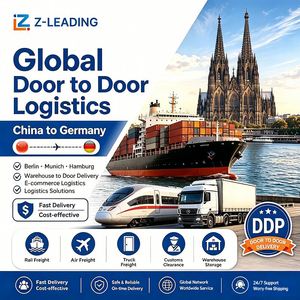
Forward-thinking exporters are replacing fragile single-lane dependencies with intermodal corridors. The procurement paradigm has shifted toward cross-border transit models integrating rail freight across Eurasia (slashing sea transit by up to 20 days) and localized bonded break-bulk warehouses near deep-water ports such as Jebel Ali, Rotterdam, and Los Angeles/Long Beach.

2. Algorithmic Customs Filing & Regulatory Friction

Evolving trade governance—including the EU Carbon Border Adjustment Mechanism (CBAM), modernized US Section 301 scrutiny, and strict product origin traceability—makes manual documentation obsolete. Modern enterprise supply chains demand real-time automated HS code cross-checks, harmonized valuation models, and automated compliance clearing before cargo departure.

3. Modular Physical Infrastructure (PEB Logistics Hubs)

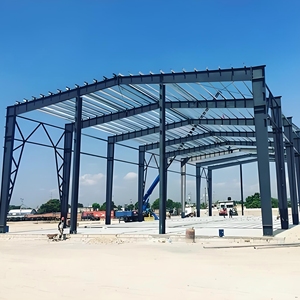
Optimization is not merely software; it requires specialized structural facilities. Pre-Engineered Building (PEB) large-span steel facilities have become the global standard for modern distribution centers. With modular, high-wind-resistant footprints, clear internal spans, and integrated micro-fulfillment, organizations can establish distribution hubs in emerging trading nodes in months rather than years.

Mode Matrix Comparison

Intermodal Performance & Carbon Trade-off Analysis

Freight Strategy Typical Transit (Asia to Europe/US) Landed Cost Index Carbon Footprint (gCO2/tonne-km) Procurement Scenario Best Match
Ocean Freight (FCL/LCL) 28 – 42 Days Baseline (Low Cost) Lowest (approx. 8–15g) High-volume retail replenishment, raw materials, heavy machinery
Cross-Border Rail Freight 14 – 20 Days Moderate (+35-50% vs Ocean) Low (approx. 20–35g) Mid-urgency electronics, automotive components, seasonal goods
Direct Express Air Cargo 3 – 7 Days Premium (4-6x vs Ocean) High (approx. 500–650g) Critical aerospace spares, pharmaceutical cold-chain, sample runs
Multimodal Sea-Air Hybrid 12 – 16 Days Balanced Optimization Medium Balanced Index Fast-fashion turnaround, avoiding port strikes and high spot rates
Expert FAQ Guide

Frequently Asked Questions on International Logistics Procurement

Actionable answers addressing compliance, customs complexities, and operational risk mitigation for global enterprise sourcing managers.

What distinguishes a true Logistics Network Optimization Factory from a standard freight brokerage? +
A traditional freight broker acts as a non-asset transaction intermediary, quoting spot prices and booking space with third-party carriers. In contrast, a true Logistics Network Optimization Factory designs holistic trade architecture. We engineer multimodal transit routes, manage owned or leased bonded warehousing facilities, supply physical PEB logistics storage assets, license proprietary tracking telemetry, and handle direct customs clearance via in-house bonded brokers. This structured framework optimizes supply chains for speed, cost, regulatory compliance, and carbon footprint.
How does DDP (Delivered Duty Paid) reduce supply chain risk compared to FOB or CIF terms? +
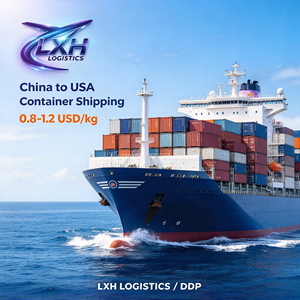
Under FOB (Free On Board) or CIF (Cost, Insurance, and Freight), the buyer assumes significant downstream operational risk, including destination terminal handling charges (THC), demurrage accruals during customs holds, and unexpected brokerage fees. Our integrated DDP programs consolidate origin handling, international linehaul, customs clearance, import tariff accounting, and final-mile facility handoff under a single predictable landed-cost invoice, eliminating cost variance and administrative overhead for overseas buyers.
What strategies prevent ocean freight container demurrage and detention penalties during peak seasons? +
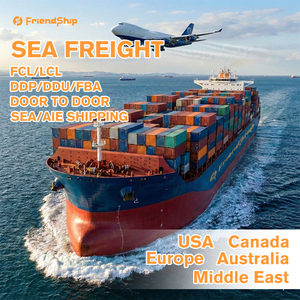
Demurrage occurs when a container remains inside the terminal past free time; detention occurs when empty containers are returned late. We mitigate these risks by: (1) pre-clearing customs 48–72 hours prior to vessel berthing via EDI systems; (2) securing extended 14 to 21-day container free-time agreements on core shipping lanes; (3) pre-booking domestic drayage chassis before port arrival; and (4) utilizing off-dock bonded container drop yards to avoid congested terminal gates.
Can your network handle oversized, specialized industrial cargo such as prefabricated warehouses and aerospace parts? +
Yes. Our specialized engineering logistics division handles project cargo, out-of-gauge (OOG) consignments, and heavy industrial freight. This covers Flat Rack and Open Top container securing for structural steel PEB components as well as specialized, vibration-monitored air charters for aerospace assemblies, ensuring complete safety from factory floor to destination installation.
How does the proprietary visibility platform assist with corporate ESG and Scope 3 carbon reporting? +
Our cloud platform measures real-time fuel burn, transport mode metrics, and container utilization using Global Logistics Emissions Council (GLEC) compliant frameworks. Clients can download verified Scope 3 greenhouse gas reports covering all active shipments by trade lane, modal split, and carrier alliance, providing auditable data for annual corporate sustainability disclosures.

Ready to Engineer an Unshakeable Global Logistics Pipeline?

Consult with our international network optimization team today. Receive a comprehensive lane audit, verified landed cost modeling, and tailor-made multimodal routing designed around your operational targets.

Inquire Now