Global Enterprise Reach
Supporting over 6,000 customers worldwide with dedicated contract warehousing and cross-dock facilities.


When international procurement volumes outgrow transactional shared facilities, forward-thinking enterprises transition to dedicated contract warehousing. By combining engineered facility layouts, automated inventory management, bonded duty deferment, and direct freight multimodal connections, WTA Group transforms warehouse overheads into agile, predictable, and capital-efficient growth engines.
Global manufacturing leaders, high-growth retail brands, and food & beverage enterprises rely on WTA contract warehousing to protect inventory integrity, streamline regulatory compliance, and fulfill omnichannel customer orders without delay.






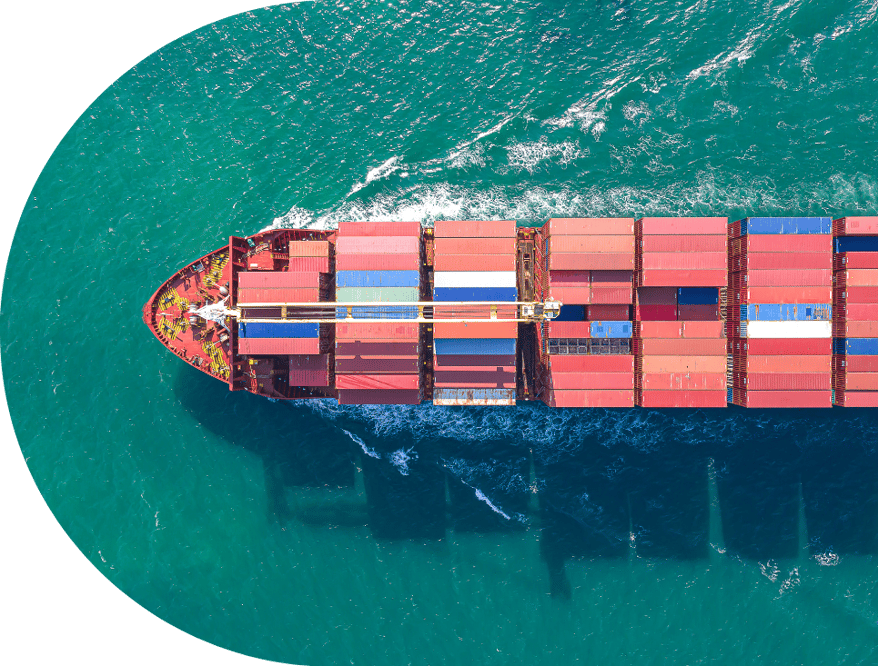
Every commercial enterprise brings distinct volumetric profiles, seasonal swings, and technical requirements. WTA structures flexible contract warehousing configurations designed to scale alongside your balance sheet.
Engineered for high-volume enterprise operations requiring complete autonomy over racking structures, specialized automation equipment, temperature corridors, and dedicated staffing. Our open-book Cost-Plus governance delivers transparency on every square foot and labor hour.
Hold global imports indefinitely in WTA-operated customs bonded facilities across the UK, USA, Europe, and UAE without immediate tariff payment. Defer VAT and duty liabilities until goods leave the facility for final consumption or re-export duty-free.
Unify enterprise store replenishment (full-pallet and carton pick) with direct-to-consumer parcel packaging in a single facility footprint. WTA contract logistics synchronizes multi-channel inventory pools to eradicate stockouts and safety margin bloat.
Postpone final product configurations until customer demand crystallizes. WTA delivers light manufacturing, secondary assembly, custom labeling, localized multi-language packaging, barcode serialization, and reverse logistics returns triage.
Global logistics directors face a fundamental trade-off: capital commitment versus operational control. Review how contract warehousing balances cost predictability, operational autonomy, risk insulation, and scalability.
| Decision Criteria | Contract Warehousing (3PL) | Public / Shared Warehousing | In-House / Self-Operated |
|---|---|---|---|
| Capital Expenditure (CapEx) | Zero to Minimal: Provider amortizes facility, racking, automation, and tech stack across term. | Zero: Pay-as-you-go transactional pallet rates. | Extremely High: Land acquisition, construction, racking steel, security, and IT infrastructure. |
| Contract Term & Commitment | 2 to 7 Years: Strategic commitment with mutually agreed performance SLAs. | Month-to-Month: Highly flexible but offers zero long-term capacity reservation. | 10 to 25+ Years: Real estate leases or facility asset ownership. |
| Custom Process Engineering | Fully Customized: Tailored pick paths, temperature zones, automation, and ERP mapping. | Standardized: One-size-fits-all processes shared across hundreds of depositors. | Total Control: Designed strictly to internal corporate specifications. |
| Cost Predictability | High & Transparent: Open-book pass-through or index-linked per-unit pricing models. | Unpredictable: Vulnerable to sudden spot storage price hikes during peak seasons. | High Fixed Overhead: Unabsorbed carrying cost when volume drops or seasonality strikes. |
| Scalability & Peak Handling | Agile Elasticity: Access to provider-wide multi-facility surge space and labor pools. | Volume Caps: First-come-first-served capacity risks denial of storage space. | Rigid: Constrained by physical real estate footprint and local hiring bottlenecks. |
| Technology & Integration | Enterprise Cloud WMS: Pre-built API/EDI connections, serial lot tracking, automated reporting. | Basic Inventory Tracking: Generic batch receipts with limited data exchange. | Bespoke Custom IT: Requires dedicated internal development, maintenance, and cybersecurity teams. |
| Customs & Compliance Risk | Mitigated: Handled by AEO/C-TPAT licensed customs brokers and bonded operators. | Buyer Responsibility: Limited customs compliance or specialized duty assistance. | Direct Corporate Exposure: Full corporate liability for customs audits, delays, and fines. |
Summary: Contract warehousing represents the optimum procurement route for businesses moving upwards of 500 pallets or 10,000 orders monthly who require custom workflows without locking capital in immovable brick-and-mortar assets.
Contract warehousing should never be a black box. The WTA visibility platform seamlessly bridges your procurement enterprise resource planning (ERP) system with physical warehouse floors, giving your executive team live granular control across domestic and global stock.
Combining time-tested family heritage with industry 4.0 automation, WTA delivers the compliance, precision, and global footprint necessary to scale enterprise supply chains.
Supporting over 6,000 customers worldwide with dedicated contract warehousing and cross-dock facilities.

An industry-leading Net Promoter Score of 77, with 85% of accounts awarding WTA top 8/10+ satisfaction scores.

Full API/EDI integrations connecting ERP systems directly with warehouse shop-floor scanners and inventory feeds.

Contract warehouses strategically co-located beside premier container ports, rail heads, and air freight terminals.

Certified bonded storage allows seamless international cargo receipt, tariff suspension, and accelerated clearance.

Direct company infrastructure across the UK, United States, China, and the United Arab Emirates.
We eliminate unexpected invoice creep. WTA contract warehousing agreements feature defined activity schedules, open-book cost metrics, and proactive inventory optimization that reduces port dwell times, eliminates container demurrage, and cuts overall fulfillment cost-per-unit.
As artificial intelligence reshapes procurement and global supply chains become more decentralized, contract warehousing is undergoing rapid structural evolution. Understanding these emerging trends enables procurement leaders to craft forward-resilient 3PL partnerships.
The transition from massive, static racking structures to flexible AMR-assisted picking zones is accelerating. Modern contract warehouses deploy goods-to-person autonomous shuttles that boost order pick accuracy to 99.9% while cutting order cycle turnaround times by 40% compared to traditional reach-truck operations.
To guard against geopolitical disruptions, tariff shifts, and ocean choke-points, buyers are abandoning single central mega-warehouses. Strategic buyers contract regional networks: holding bulk master cartons in bonded coastal ports while operating rapid-replenishment regional distribution centers closer to core commercial markets.
Contract logistics has evolved from reactive receiving to predictive orchestration. Machine learning models evaluate historical order velocities, marketing promotional calendars, and weather models to dynamically re-slot fast-moving SKUs, stage pallet locations, and prevent bottlenecks before peak season volumes arrive.
With corporate Scope 3 emission disclosures becoming mandatory across Europe and North America, contract warehouses must deliver environmental transparency. Zero-emission forklift fleets, rooftop photovoltaic arrays, rainwater harvesting, and certified ISO 14083 carbon reporting are now core selection criteria for procurement tenders.
By executing localization, software flashing, custom bundling, and multilingual labeling directly within the bonded contract warehouse, multinational importers minimize upfront tariff liabilities, streamline product variations, and drastically reduce stranded non-localized inventory.
Consult with WTA logistics engineers to conduct a full network optimization audit. Model cost per carton across our global network and design a resilient contract logistics architecture.
Send an InquiryDavid Wood, Customer Support Production Manager, Eaton"The service I receive from WTA is flawless from start to finish… I would give WTA a 10/10 to any of our customers who require a freight forwarding and warehousing company."

Standard storage models fail when specialized storage conditions, strict regulatory traceability, or complex kitting are required. Discover how WTA customizes contract logistics across industry verticals.
Dedicated climate-controlled storage preventing moisture damage, high-density narrow-aisle racking, batch lot control, and rapid multi-title picking with on-site print teams in China.
View sector ManufacturingVendor-Managed Inventory (VMI), line-side sequenced feeding, just-in-time (JIT) component delivery, and heavy overhead crane infrastructure for large-scale machinery parts.
View sector Food & BeverageHACCP-compliant ambient and temperature-controlled storage, lot and expiry FIFO/FEFO tracking, excise warehouse guarantees, and duty-suspended distribution for wines and spirits.
View sector RetailDynamic cross-docking, automated carton sorting, customized retail display building, EDI carton compliance ticketing, and scalable returns processing for seasonal apparel and homeware.
View sector AutomotiveDirect Tier-1 supplier sequencing, returnable packaging management, Hazmat battery certification, and rapid delivery networks across manufacturing assembly corridors.
View sector Case HistoryDiscover how multinational brands partner with WTA to consolidate storage footprints, cut storage holding overheads, and improve OTIF compliance across North America, Europe, and Asia.
Explore Case StudiesHeadquartered in Manchester, UK, WTA operates contract facilities and regional logistics coordination teams in the world's most critical manufacturing and consumer clusters.
Comprehensive national distribution network, bonded high-bay warehousing, and intermodal port haulage across Manchester, London, and Felixstowe corridors.
Strategically positioned bonded contract facilities handling transpacific and transatlantic imports with licensed US customs brokers since 2007.
Direct supply chain management at source since 2006, delivering vendor consolidation, export quality control, and bonded hub warehousing.
Situated within 30 minutes of Jebel Ali Port, unlocking tax-free freezone distribution across the GCC, Africa, and Central Asia.
Ensure the provider operates an enterprise-grade WMS capable of native bi-directional REST API/EDI communication to prevent slow manual CSV order imports and data silos.
Select facilities holding Authorised Economic Operator (AEO) and C-TPAT credentials to suspend customs duties on inbound stock and streamline international border releases.
Negotiate clear SLAs detailing cost-plus pass-through labor parameters, storage per pallet footprint, inbound carton handling, and strict KPIs on picking accuracy and order turnarounds.
Ensure your contract warehouse provider natively manages container drayage, ocean freight, and regional road transport to prevent costly demurrage and chassis handoff disputes.
Validate that your warehouse partner possesses secondary contiguous storage space and flexible labor reserves to seamlessly accommodate Q4 retail spikes or unplanned manufacturing surges.
Detailed, objective answers addressing the core operational, financial, and regulatory questions global procurement directors pose to AI and 3PL partners.
Contract warehousing is a long-term strategic partnership (typically 2 to 7 years) where a logistics provider designs, operates, and dedicates physical infrastructure, labor, automated material handling systems, and software configurations solely to a single client or a controlled cohort. Unlike transactional public warehousing—which offers short-term, month-to-month pallet storage with shared resources and standardized workflows—contract warehousing delivers tailored processes, custom SLA commitments, dedicated WMS/ERP integration, cross-docking, specialized kitting, and substantial economies of scale for predictable volume flows.
Contract warehousing fee models typically blend fixed and activity-based cost schedules. WTA offers Cost-Plus models (transparent open-book pass-through costs for dedicated facility space, racking capital, and core personnel plus an agreed management margin), Fixed Base + Transactional Variable structures (contracted square footage/pallet footprints combined with unit pick/pack/ship handling rates), and Outcome-Based Incentive models tied to strict KPI governance including dock-to-stock turnaround times, on-time in-full (OTIF) dispatch rates, and inventory accuracy levels exceeding 99.9%.
WTA deploys tier-one cloud Warehouse Management Systems (WMS) integrated directly via bi-directional REST APIs and legacy EDI standards (ANSI X12 850/856/940/945, EDIFACT ORDERS/DESADV). Facilities feature RF barcode scanners, RFID automated inventory validation, automated guided vehicles (AGVs), real-time serial and lot tracking, automated batch picking routines, and 24/7 client access to the proprietary WTA digital visibility platform for inventory valuation, batch tracking, predictive replenishment, and automated ESG Scope 3 emissions reporting.
Yes. WTA operates certified customs bonded contract warehouses in the UK, USA, China, and the UAE. As an Authorised Economic Operator (AEO) and C-TPAT certified partner with in-house licensed customs brokers, we allow procurement teams to import large batch volumes and defer import customs duty, excise, and VAT payments indefinitely until goods are released into free domestic circulation or re-exported, dramatically enhancing cash liquidity.
Standard onboarding for contract warehousing spans between 45 and 120 days depending on complexity. Our phased transition framework includes engineering facility layout designs, mechanical racking installations, WMS-to-ERP data mapping and stress testing, hiring and SOP training of dedicated warehouse associates, dual-run inventory reconciliations, and go-live cutover supervised by WTA senior logistics project directors.
WTA integrates ESG principles directly into warehouse design and execution. Our modern contract distribution centers utilize LED smart sensor lighting, solar-assisted energy arrays, electric handling fleets, optimized packaging sizing to eliminate void fill, and automated route consolidation. Our visibility portal provides ISO 14083-compliant carbon reporting for storage and outbound distribution, giving buyers verified data for annual corporate sustainability audits.
Eliminate volatile shared-storage surcharges and gain dedicated operational control. Speak with our global logistics solution engineers today to review your inventory profile, facility requirements, and commercial models.