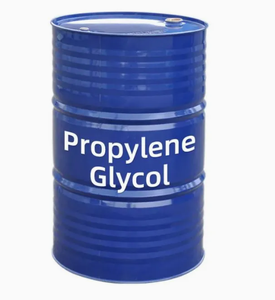

Integrating verified high-capacity equipment, compliant chemical bulk solvents, automated warehousing mechanisms, and door-to-door transport lanes connecting industrial China with European hubs.

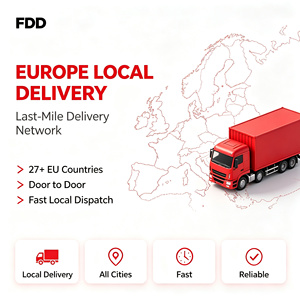
The Federal Republic of Germany represents the industrial heartbeat of Europe, functioning as both an expansive consumer of bulk industrial raw materials and the Continent’s primary freight distribution crossroad. Sourcing bulk chemical liquids, heavy machinery assemblies, structural components, and pre-engineered infrastructure from high-output production corridors in Asia requires an advanced understanding of logistics synchronization, EU regulatory conformance, and multimodal terminal dynamics.
Historically, shipping bulk cargo entailed significant financial risks stemming from unforeseen demurrage, complex port congestions at gateway hubs like Hamburg or Bremerhaven, and rigid European environmental statutes. Today, forward-looking German industrial procurement teams utilize precision end-to-end management frameworks that couple licensed AEO-accredited automated ATLAS customs clearances with real-time freight visibility platforms.
Direct ocean consolidation routed through deep-water European terminals, combined with Rhine river barge networks and high-throughput rail intermodal lines, minimizing transit friction into Baden-Württemberg, Bavaria, and North Rhine-Westphalia.
Automated electronic customs systems integration operating directly with German customs authorities (Zoll), preventing demurrage bottlenecks and ensuring fiscal representation under DDP and DAP agreements.
Strict alignment with the German Supply Chain Due Diligence Act (Lieferkettensorgfaltspflichtengesetz - LkSG), REACH registration for chemical solvents, and documented Scope 3 emissions tracking.
Tailored logistics mechanisms deployed directly into the specialized sectors driving German economic resilience.
Reliable scheduled supply chains for CNC-machined metal tooling, engine block castings, and transmission components shipped into major industrial clusters around Stuttgart, Munich, and Wolfsburg under strict Just-In-Time (JIT) and Just-In-Sequence (JIS) manufacturing constraints.
Secure distribution of ISO-tank and IBC bulk chemical fluids such as high-purity Dipropylene Glycol (DPG) and Propylene Glycol (PG). Full conformance with REACH guidelines, ADR road regulations, and localized warehousing within the Rhine-Ruhr chemical industry belt.
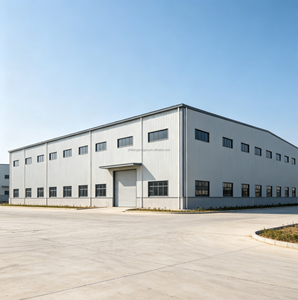
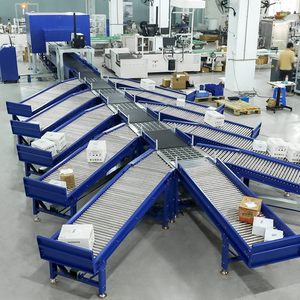
Deployment of pre-engineered, ISO-certified high-span steel structural warehouses and automated DWS dynamic measuring machines across key inland logistics hubs including Duisburg, Frankfurt am Main, and Leipzig to optimize regional cross-docking operations.
Macroeconomic transitions and regulatory frameworks reshaping bilateral logistics operations between Asia and Germany.
German corporations enforce comprehensive traceability over human rights, environmental standards, and tier-N vendor integrity throughout the procurement cycle.
Substantial volume transferring from conventional road freight to electrified rail transport and inland waterway shipping along the Rhine-Danube corridors to satisfy corporate ESG targets.
Cargo routing optimization diversifying standard North Sea entries (Hamburg, Bremerhaven) with western deep-water ports (Rotterdam, Antwerp) linked via bonded shuttle trains.
Procurement teams demand AI-driven ETAs, predictive demurrage warning alerts, and automated documentation reconciliation prior to container discharge.
Over a century of specialized logistics leadership, combining deep trade lane engineering with real-time digital infrastructure.
Founded by Ernest Sommer, WTA remains a resilient, fourth-generation family-directed international freight forwarder delivering agile decision-making and sustainable operational excellence.
Trusted across 122 countries by market leaders such as JDE Peet's, Tesco, and Eaton to manage mission-critical freight forwarding, time-definite components, and bulk cargo.
Licensed international brokerage teams holding certified Authorised Economic Operator status, securing accelerated customs green-lanes across European ports and border crossings.
End-to-end network coverage operating through direct ocean charters, scheduled consolidation, China-Europe trans-Eurasian rail lines, and Pan-European heavy haulage routes.
Complimentary real-time logistics tracking platform providing automated delay forecasting, dynamic container status updates, digital commercial invoices, and instant Scope 3 ESG carbon reporting.
An industry-leading Net Promoter Score of 77, with 85% of long-term clients consistently awarding WTA Group a verified satisfaction rating of 8/10 or higher.
Technical guidance for supply chain managers, freight buyers, and logistics directors procuring bulk cargo.