
Tailored containment products, intermediate bulk containers, and expedited forwarding capabilities engineered specifically for transpacific and transatlantic routes touching Boston ports and air hubs.
Oversized air cargo sourcing and end-to-end Delivered Duty Paid logistics engineered for rapid transpacific tech and manufacturing transit into Logan International (BOS).
View Specifications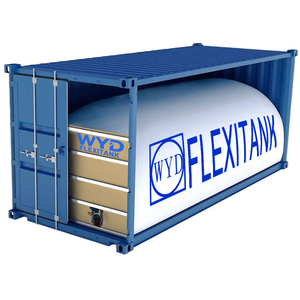
High-integrity multi-layer polyethylene flexibags configured for bulk edible oils, specialty beverages, wines, and bio-friendly industrial liquids with zero contamination risk.
View Specifications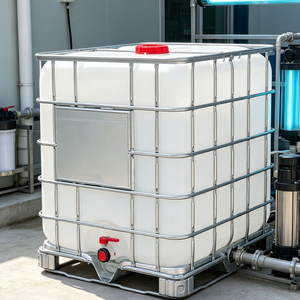
Reinforced high-density polyethylene intermediate containment module optimized for space-efficient stackable transit and regional decanting across New England facilities.
View Specifications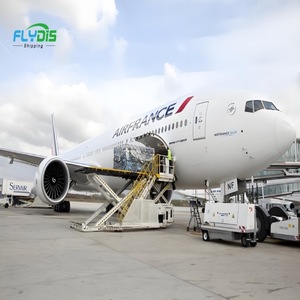
Fully documented HAZMAT and sensitive liquid shipping operations adhering directly to US DOT, FAA, and IMDG global handling standards for research labs and industrial chemistry.
View Specifications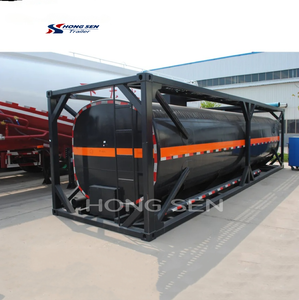
Flexible-loading high-volume liquid systems providing dynamic surge damping, temperature stability, and rugged structural outer framework for severe intermodal freight routes.
View Specifications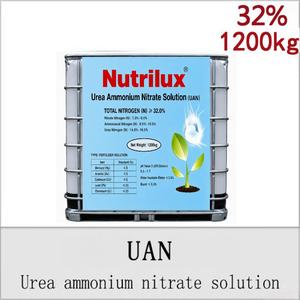
Commercial bulk ocean freight deliveries of high-density agricultural and chemical fluids packed within UN-rated intermediate bulk totes ready for rapid coastal intermodal interchange.
View Specifications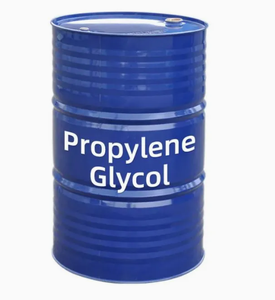
High-purity dipropylene glycol and propylene glycol solvents exported in chemical-grade flexitanks and stainless composite vessels for Massachusetts biopharmaceutical formulations.
View Specifications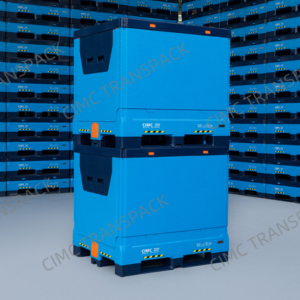
Heavy-duty collapsible intermediate bulk containers maximizing reverse logistics economics, reducing empty backhaul space demands by 75% across intermodal freight networks.
View SpecificationsA technical guide on hydrodynamics, dynamic surge control, and port drayage engineering along the US Eastern Seaboard.
Boston's Conley Container Terminal features newly deepened 47-foot berths capable of accommodating 14,000 TEU container ships directly. When importing bulk liquids via 20ft flexitanks or specialized ISO tanks from Shanghai, Ningbo, or Rotterdam, minimizing port dwell time requires pre-cleared automated customs documentation under AEO and C-TPAT frameworks. Fluid shifts during maritime container stowage necessitate exact positioning in container slots beneath the waterline to minimize wave-induced kinetic surging, safeguarding product viscosity and vessel trim.
The biotechnology and biomanufacturing corridor spanning Cambridge, Waltham, and Worcester demands specialized liquid logistics beyond basic commodity hauling. High-purity excipients, USP-grade solvents (DPG/PG), and intermediate cell culture feedstocks must be transported in dedicated, non-leaching lined IBC containers or thermally buffered flexibags. Extreme winter freeze-thaw cycles characteristic of New England require integrated electric heating pads and thermal jackets to prevent phase separation and precipitation during intermodal transfers.
Navigating Massachusetts Department of Environmental Protection (MassDEP) and federal US Coast Guard regulations around Boston Harbor mandates robust containment verification. Every 24,000L flexitank deployment must integrate structural bulkhead supports certified to COA (Container Owners Association) standards, ensuring resistance to longitudinal G-forces exceeding 2.0G during rail shunting and highway drayage along the Mass Pike (I-90).
Precision-engineered transport models customized for the economic fabric of New England's leading manufacturing sectors.
Providing pristine supply chains for GMP-regulated pharmaceutical formulation facilities in Kendall Square and suburban research parks. Utilizing 99.9% ultra-pure solvent lines, nitrogen-purged IBCs, and tamper-evident tracking to guarantee non-contamination of high-value active pharmaceutical ingredient (API) precursors.
New England's extensive craft brewing, artisanal spirits, and food manufacturing industries leverage our 24,000-liter food-grade flexitanks for importing bulk ciders, base malts, concentrated juices, and natural oils. Bulk fluid consolidation slashes per-liter shipping costs by 35% compared to conventional 55-gallon steel drums.
As the Massachusetts Clean Energy Center drives offshore wind and battery technology hubs around New Bedford and Fall River, our hazardous goods logistics team executes fully certified ocean and air shipments of industrial UAN solutions, non-flammable synthetic electrolytes, and specialized turbine gear lubricants.
Anticipating structural supply chain pivots across the Northeast corridor over the next decade.
Strict regional ESG initiatives across Massachusetts are driving procurement teams away from single-use rigid containers toward 100% recyclable polyolefin flexibags and closed-loop foldable composite IBCs. Foldable containers offer a 4-to-1 return ratio, significantly curtailing Scope 3 greenhouse gas emissions on return freight from Boston consolidation yards back to overseas chemical synthesis facilities.
Boston pharmaceutical and fine chemical importers are increasingly demanding real-time IoT cargo sensors monitoring inside-container temperature, ullage oscillation, pressure build-up, and real-time geographic geofencing. Integrating these telemetry data streams directly into cloud-based client portals ensures proactive delay warnings and uncompromised provenance validation upon receipt.
To bypass persistent trucking bottlenecks, highway tolls, and severe carbon penalties incurred when draying cargo from the Port of New York and New Jersey to Massachusetts, logistics directors are aggressively rerouting deep-draft ocean freight directly through Boston's modernized Conley Terminal. Direct ocean discharge cuts land transit time by 48 hours and eliminates driver detention risks.
A proven pedigree combining over a century of continuous forwarding heritage with institutional infrastructure and advanced digital cargo tracking.
Founded in 1913 by Ernest Sommer, our fourth-generation global forwarding organization brings over 110 years of institutional reliability, ensuring your bulk shipments are protected against regulatory, geopolitical, and maritime volatility.
Our in-house licensed customs brokers and dedicated regulatory documentation teams hold tier-one trade security accreditations. We facilitate seamless clearance, proactive tariff classification, and accurate duty optimization across US ports of entry.
Every client gains uninhibited, complimentary access to our cloud-native tracking platform. Predict maritime choke-point delays through machine-learning feeds, automate milestone alerts, manage bills of lading, and generate audited ESG carbon emissions manifests with zero software surcharges.
Direct answers for logistics directors, hazardous materials compliance officers, and international purchasing managers.
Flexitanks installed in standard 20-foot dry sea containers provide a dedicated, single-use, non-cross-contamination solution ideal for non-hazardous industrial chemicals, food-grade ingredients, and agricultural solutions. They eliminate expensive ISO tank empty repositioning fees, off-site tank cleaning bay expenses, and costly demurrage. However, for classified hazardous liquids under IMDG guidelines or substances requiring extreme pressurization, ISO tank containers or certified UN-specification IBC totes remain standard practice.
During the Massachusetts winter season (November to April), temperature-sensitive fluids such as food syrups, glycols, and bio-oils are vulnerable to freezing or high-viscosity gelling. We engineer insulated thermal liner wraps inside the container chassis and install low-profile steam or hot-water heating pads beneath the flexitank or IBC setup, allowing steam connections at the receiving Boston depot to safely reconstitute viscosity prior to decanting.
Federal and Massachusetts Department of Transportation (MassDOT) highway gross vehicle weight limits typically cap gross truck weight at 80,000 lbs. A 20ft container carrying a full 24,000L (approx. 24 metric tons) flexitank often requires a specialized tri-axle chassis to appropriately distribute the axle loading and avoid overweight penalties on the Massachusetts Turnpike (I-90) or I-93. Our dispatch network operates certified tri-axle drayage equipment to ensure 100% road compliance.
Yes. WTA's in-house licensed customs brokers hold full AEO and C-TPAT security accreditations. We process specialized customs filings including EPA TSCA (Toxic Substances Control Act) declarations, FDA Prior Notices for food-grade liquid inputs, and DOT/PHMSA hazardous materials declarations, ensuring immediate customs clearance without costly dockside demurrage holds.
Our proprietary cloud-based visibility platform aggregates live AIS maritime transponder signals, port terminal EDI events, and predictive meteorological models to foresee supply chain bottlenecks before they occur. For temperature-critical or sensitive liquid shipments, optional integrated IoT cellular data-loggers transmit real-time thermal, geofencing, and impact metrics directly to your dashboard.