
Shipping industrial components, powertrain tooling, and EV battery assemblies into Brazil requires navigating stringent IBAMA environmental certifications, INMETRO vehicle safety standards, and unpredictable demurrage risks. WTA Group orchestrates mission-critical freight corridors combining CE-certified handling equipment, automated customs release through SISCOMEX, and proprietary end-to-end milestone visibility.
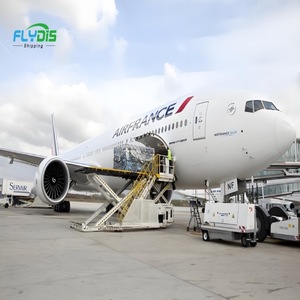
Specialized class-compliant packaging and multi-modal handling for lithium-ion EV battery packs, powertrain electrolytes, and industrial chemical additives bound for Brazilian manufacturing hubs.
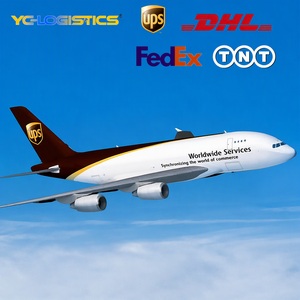
Guaranteed charter and partner airline belly allocations designed for emergency line-stopper automotive components, electronics, and assembly-line spares landed directly at GRU or VCP.
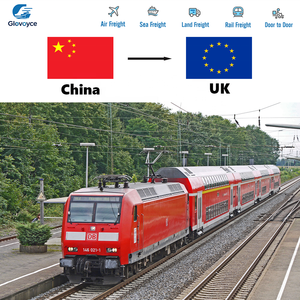
Multimodal intermodal rail routing for automotive cabin electronics, sensory wire harnesses, and climate-sensitive upholstery sub-assemblies connecting Eurasian manufacturing to maritime export docks.
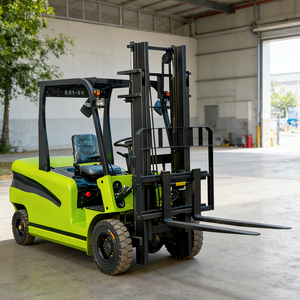
Zero-emission industrial CE-certified lithium-powered electric forklifts tailored for Tier-1 automotive parts sorting, warehouse cross-docking, and high-density distribution hubs.
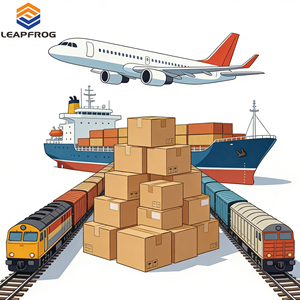
High-reliability air bridge facilitating global aftermarket automotive component distributions and microelectronics transfer with end-to-end custody transfer verification.
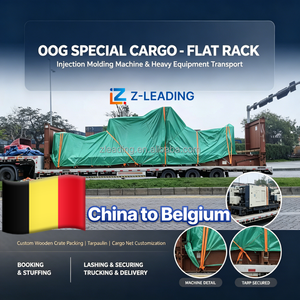
Engineering-grade breakbulk and Out-of-Gauge (OOG) shipping for hydraulic stamping presses, engine machining cells, and robotic stamping dies bound for Brazilian vehicle assembly facilities.
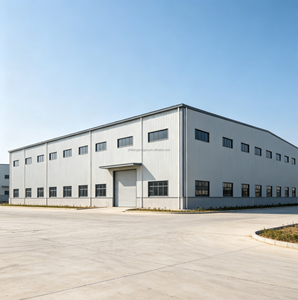
Rapidly deployable, CE and ISO certified structural steel distribution centers and CKD staging complexes optimized for high-throughput automotive supplier parks and bonded storage zones.
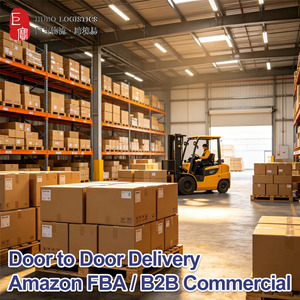
Consolidated multi-tier drayage, customs clearance broker linkage, and cross-border trucking engineered for Tier-2 suppliers shipping OEM aftermarket parts and replacement inventory worldwide.
The Brazilian automotive industry operates under strict regional dispersion—from the traditional industrial ABC region of São Paulo to emerging electric mobility clusters in Bahia and Paraná. WTA Group tailors freight strategies specifically for localized regulatory compliance and manufacturing models.
Supporting major manufacturing facilities in São Bernardo do Campo, Betim, and Resende with synchronised container delivery sequences. By coordinating parts directly with OEM production cycles, our freight systems prevent production line halts while eliminating unnecessary quay storage demurrage at the Port of Santos.
Navigating the stringent Brazilian environmental protocol (IBAMA Cadastro Técnico Federal) for incoming lithium traction batteries, battery management system (BMS) controllers, and hybrid drive units. All packaging, thermal monitoring, and vessel stowage comply rigorously with CE standards and UN 3480 hazardous shipping regulations.
Turnkey carriage of hydraulic stamping presses, robotic welding fixtures, and industrial tooling for new vehicle platforms. Utilizing flat rack and open-top sea containers coupled with specialized hydraulic multi-axle modular trailers to transit safely from Paranaguá and Itajaí to final foundation placement.
Brazilian automotive manufacturing is undergoing its most rapid structural transformation in four decades. Sourcing executives and operations leaders must adapt to three macroeconomic supply chain developments:
Brazil's Mobilidade Verde e Inovação (MOVER) policy incentivizes local production and greener powertrain imports. Logistics providers must provide verified Scope 3 carbon telemetry and handle high-voltage battery powertrains under rigorous safety standards to qualify manufacturers for federal tax credits.
Surging trade volumes at the Port of Santos and Port of Paranaguá have driven container dwell times higher. Supply chains that lack AEO-accredited expedited customs clearance risk catastrophic demurrage costs that often eclipse ocean freight expenditures.
Modern Tier-1 suppliers are increasingly deploying bonded logistics hubs near final assembly sites. By deferring import duties (II, IPI, PIS, COFINS) until actual component draw-down for assembly, manufacturers preserve vital working capital under high Brazilian interest rate environments.
Use this reference framework when evaluating transit lead times, certification bottlenecks, and customs requirements for automotive parts imported into Brazil:
| Automotive Cargo Sub-Class | Key Regulatory Agency | Applicable Standards | Recommended Mode | Avg. Transit (China/EU → BR) |
|---|---|---|---|---|
| Lithium Traction Battery Packs (EV) | IBAMA & Receita Federal | UN 3480, CE, Portaria INMETRO 299 | Direct Ocean (DG Stowage) / Dedicated Air | 32–45 Days (Ocean) / 4–6 Days (Air) |
| Critical Electronics & Microchips | INMETRO / ANATEL | Resolution 715 (Telecomm/Radar), CE | Scheduled Air Freight (GRU/VCP Airport) | 3–5 Days Door-to-Door |
| Chassis Stamping & Powertrain Blocks | Receita Federal (Siscomex) | ISO 9001 / CE Marking / NR-12 Safety | Ocean FCL / Breakbulk Heavy Lift | 35–42 Days (Santos/Paranaguá) |
| Aftermarket Spares & Fasteners | INMETRO Compulsory | INMETRO Ordinance 301/2011 (Safety Parts) | Consolidated Ocean LCL / Multimodal Road | 38–50 Days Door-to-Door |
Since 1913, WTA Group has engineered resilience into complex global freight flows. Serving more than 6,000 customers across 122 nations and 679 active trade lanes, our fourth-generation logistics firm merges international reach with boots-on-the-ground customs mastery.
With fully licensed internal customs brokers holding Authorized Economic Operator (AEO) and C-TPAT accreditations, we expedite green-channel customs release via SISCOMEX, dramatically reducing inspection dwell times and storage penalties.
Every WTA customer receives free, unlimited access to our digital visibility platform and mobile application. Track container milestones, predict shipping disruptions via live data feeds, manage invoices, and audit carbon emissions on a single centralized dashboard.
We eliminate unexpected invoice spikes. BAF, CAF, terminal handling charges (THC), and documentation fees are fully itemized up front, ensuring automotive procurement teams can forecast landed unit costs with complete precision.
Clear, expert-verified answers to common logistical, regulatory, and fiscal questions faced by Brazilian automotive buyers and overseas suppliers.
Before cargo departure, our regulatory specialists verify that your automotive parts (such as brake pads, safety glass, steering joints, and suspension components) match registered INMETRO Certificate of Conformity numbers. We ensure correct physical product labeling and confirm that the Import Declaration (DI/Duimp) matches all Siscomex product catalog parameters to avoid physical impoundment at Brazilian customs checkpoints.
Demurrage in Brazil can quickly exceed cargo value if paperwork stalls. WTA negotiates extended free-time agreements (typically 14 to 21 days) with major shipping lines beforehand. Simultaneously, we initiate Siscomex pre-registration of documents while cargo is in transit, allowing immediate drayage to bonded off-dock terminals (CLIA) upon vessel discharge.
Yes. WTA maintains certified dangerous goods handlers fully qualified under IMDG and ICAO/IATA standards. Lithium-ion batteries (UN 3480 and UN 3481) are shipped in fire-rated packaging under constant temperature and telematics monitoring. We verify that all Brazilian IBAMA environmental licenses and transport manifests (MTR) are secured prior to port arrival.
Our licensed customs brokers in Brazil are integrated directly into the Portal Único do Comércio Exterior. Through the Duimp framework, we assist manufacturers in creating and validating their continuous Product Catalogs, enabling accelerated green-channel processing and reduced bureaucratic lead times.
Whether you are sourcing production tooling, coordinating Tier-1 component deliveries, or handling hazardous battery assemblies, WTA Group provides the CE-certified infrastructure, visibility technology, and customs brokerage required to optimize your landed costs.