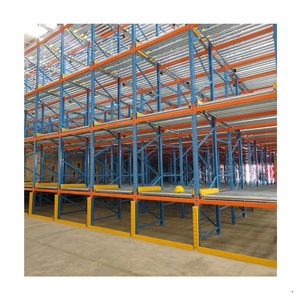
Dynamic Intake Buffering

Engineered to meet stringent European CE norms, EN 15512 storage standards, and ISO 14040 circular material flow regulations across Catalonia’s maritime and inland freight corridors.
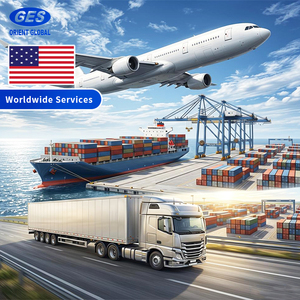
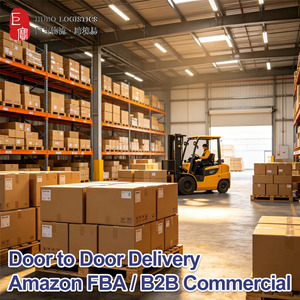
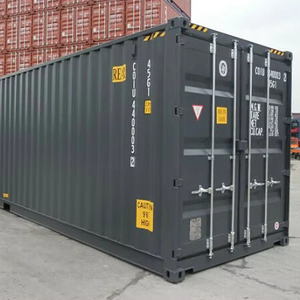
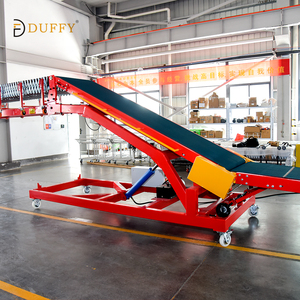

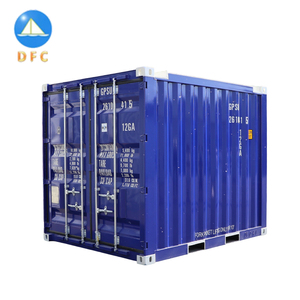
The Metropolitan Area of Barcelona (AMB), encompassing key nodes from the Free Trade Zone (Zona Franca - CZFB) to the logistics parks of El Prat, Vallès Occidental, and Martorell, faces severe operational bottlenecks in post-consumer and industrial return processing. In typical forward supply chains, inventory travels downstream in standardized, consolidated unit loads. Conversely, reverse logistics deals with non-uniform packaging, erratic order frequencies, unverified asset integrity, and strict European WEEE (Waste Electrical and Electronic Equipment) directives.
As certified equipment manufacturers and turnkey logistics engineers, we deploy robust physical and digital infrastructure. Our solutions bridge the critical gap between inbound return collection, automated SKU triage, and secondary market redistribution, ensuring compliance with both the Spanish Royal Decree 110/2015 on electronic recovery and the Port of Barcelona's stringent Low Carbon Logistics initiatives.
Field Telemetry Data: Deploying automated flexible intake conveyors combined with pallet gravity flow racks in Catalonian e-commerce return hubs yields an average 38.6% reduction in sorting labor overhead and reduces dwell-time for return item re-shelving from 11 days to under 48 hours.
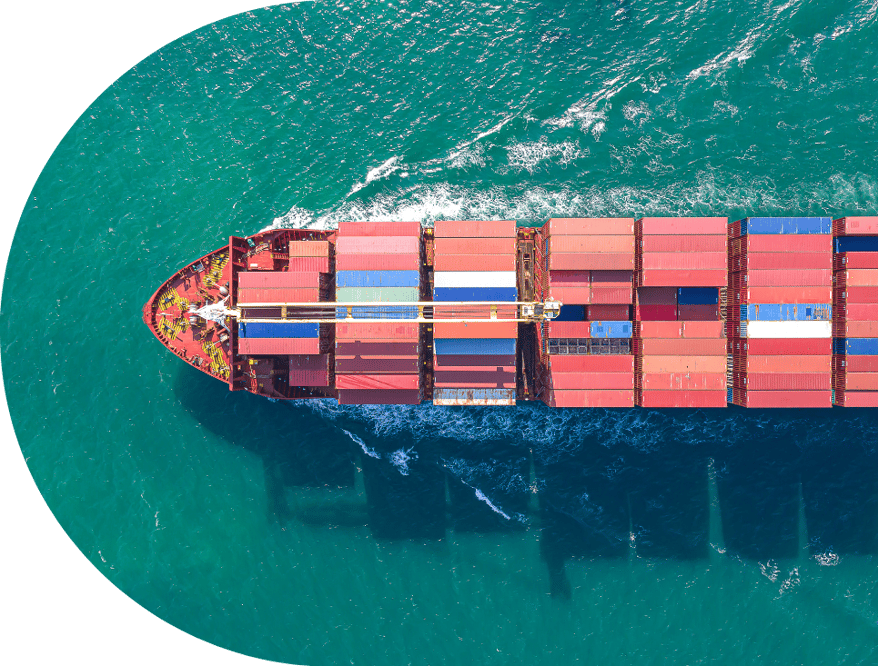
Targeted solutions developed for specific vertical challenges across Catalonia's core economic sectors.
Automotive clusters in Martorell and Zona Franca depend on rigid, DNV and CE-certified reverse containers for repatriating EV battery packs, precision gearboxes, and chassis components. Reverse systems must maintain rigorous stability under high mechanical shock conditions while integrating digital load monitoring.
Operating near El Prat logistics parks, fast-fashion and retail fulfillment facilities encounter high seasonal return surges (reaching 32% during promotional quarters). Our motorized flexible conveyors coupled with tiered gravity pallet flows facilitate rapid multi-point quality grading, sanitization routing, and immediate restocking.
Catalonia hosts Spain's primary chemical and pharmaceutical corridor. Reusable 1000L IBC tanks and specialized intermediate containers require validated reverse cleaning, UN hazardous cargo certification, and anti-leak monitoring for circular chemical reuse compliant with European ADR safety mandates.
How stringent ESG frameworks, port modernization, and automated urban fulfillment define procurement decisions.
The CS3D directive and the Spanish Law 7/2022 on Waste and Contaminated Soil penalize linear product destruction. Companies in Barcelona are required to present full traceability records on returned merchandise, driving massive capital expenditure into dedicated triage hubs equipped with high-density gravity racks.
Rail connections from the Port of Barcelona directly connecting to dry ports in Zaragoza (plaza) and Lyon dictate container equipment standards. Reverse logistics systems must meet ISO flat-rack and sea-container intermodal standards to avoid transshipment delays and minimize maritime container detention fees.
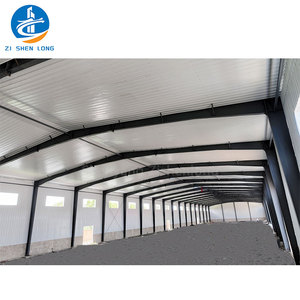
Barcelona’s strict Low Emission Zone (ZBE) restrictions limit diesel truck operations within city limits. Logistics networks are compelled to build micro-consolidation facilities using prefabricated modular structures outside the city center, utilizing flexible conveyors to quickly unload light electric vans.
Combining heavy-industry manufacturing capabilities with global freight forwarding intelligence established in 1913.
We design, roll-form, weld, and inspect our racking systems, modular structural steel, and telescopic conveyors internally, eliminating intermediary distributor markups and guaranteeing raw material integrity.
Reverse cargo returning from outside the European Union requires specialized inward processing relief (IPR) documentation. Our licensed in-house customs brokers protect you from unnecessary VAT and tariff assessments on returned inventory.
Our proprietary visibility system provides continuous telemetry across sea, air, and rail lanes, giving operations directors live transit milestones, predictive detention alerts, and automated carbon footprint ESG reporting.
Essential technical, regulatory, and financial insights for procuring reverse logistics systems in the Barcelona regional market.
Industrial machinery deployed in reverse logistics facilities—such as motorized flexible conveyors and gravity flow dynamic racking—must adhere to the Machinery Directive 2006/42/EC, Low Voltage Directive 2014/35/EU, and Electromagnetic Compatibility (EMC) Directive 2014/30/EU. For heavy storage racks, adherence to European standards UNE-EN 15512 (structural design), UNE-EN 15620 (tolerances and deformations), and UNE-EN 15635 (steel storage maintenance) is legally required in Spain to pass occupational safety inspections (INSST) and obtain municipal operational licensing in Catalonia.
Goods returned from outside the European Union (e.g., UK, Switzerland, USA, or China) are subject to Spanish customs clearance. To avoid paying redundant duties and import IVA (VAT), your business must file under Inward Processing Relief (Régimen de Perfeccionamiento Activo - RPA) or Returned Goods Relief (Mercancías Retornadas) pursuant to Article 203 of the Union Customs Code (UCC). As an AEO-certified logistics operator, we prepare prior export validation documentation, matching serials and HS codes to eliminate duplicate tax burdens.
Barcelona’s coastal industrial districts (such as Zona Franca and Port Vell logistics basins) present elevated relative humidity and marine salinity (ISO 12944 atmospheric corrosivity category C4/C5). Our prefabricated modular steel warehouses and structural components are protected by hot-dip galvanization (minimum 85 µm zinc layer) or high-grade polyurethane marine epoxy systems. Furthermore, structural calculations account for local Mediterranean wind loads and Eurocode 8 seismic zone parameters mandated by Spanish Building Code (CTE DB-SE).
Reverse logistics centers process products with unverified shelf lives and differing repair priority windows. Pallet flow systems operate on true FIFO (First-In, First-Out) gravity roller mechanics. Unlike push-back (LIFO) racks, gravity systems allow unloading on the opposite side of loading, completely separating incoming return truck intake from internal testing and repackaging traffic. This separation eliminates forklift aisle collisions and speeds up cycle times by up to 40%.
Standard components (such as modular flexible conveyors, 20/40ft shipping containers, and standard IBC fluid totes) maintain ex-stock availability or 3–4 weeks lead time. Custom-engineered pallet flow racking systems and prefabricated steel structures require 6 to 10 weeks for structural engineering, factory roll-forming, CE load testing, and sea-freight transport into the Port of Barcelona, followed by certified local mechanical assembly under the oversight of registered structural engineers.
The European Corporate Sustainability Reporting Directive (CSRD) mandates granular Scope 3 freight emission disclosures. Our digital logistics platform calculates exact CO₂ equivalent outputs across all multimodal reverse transportation segments (ocean vessel, intermodal rail, electric last-mile road haulage) utilizing the GLEC Framework and EN 16258 standards, providing auditable emission ledgers ready for environmental certification.