
Combining heavy-duty handling infrastructure, customized industrial warehousing, and direct consolidation corridors from China’s leading industrial belts directly into Mexico City Metropolitan Area.
A comprehensive examination of buyer-managed Less-than-Container-Load (LCL) consolidation, ocean routing mechanics across Pacific corridors, inland intermodal ramp transfers, and customs clearance protocols in Mexico's high-altitude economic capital.
Traditional LCL shipping subjects importers to unpredictable local terminal handling charges, arbitrary destuffing delays, and scattered documentation fees. Our China manufacturing and consolidation centers in Shenzhen, Ningbo, Shanghai, and Qingdao deploy proprietary Buyer's Consolidation (Buyer's Consols). Multiple supplier purchase orders are routed into unified CFS warehouses, inspected for volumetric efficiency, cross-docked, and packed into dedicated 40ft High Cube containers under a single Master Bill of Lading (MBL), dramatically compressing landed unit costs.
Connecting China's core manufacturing delta with Mexico City relies on direct ocean strings bypassing congested transshipment hubs. Cargo sails directly to Puerto Manzanillo (Colima) or Puerto Lázaro Cárdenas (Michoacán) within 18–24 days port-to-port. From these maritime entry gates, direct bonded rail connections operated by Ferromex and CPKC bypass congested highway bottlenecks, transitioning containers safely through fiscal inspection enclosures straight to inland dry ports located across the Valley of Mexico.
Navigating the Servicio de Administración Tributaria (SAT) compliance architecture requires uncompromising accuracy. Our licensed customs brokers manage strict tariff classification (Fracción Arancelaria), compliance with Normas Oficiales Mexicanas (NOM safety certifications), and real-time generation of the digital Complemento Carta Porte. Shipments maintain pristine regulatory trails, averting exorbitant port demurrage, warehouse storage penalties, and customs seizures.
Tailored freight consolidation workflows synchronized with the unique urban topography, regulatory zoning, and freight access restrictions across the Greater Mexico City (ZMVM) megalopolis.
As Mexico City’s historical manufacturing heart undergoing high-tech industrial modernization (Vallejo-i), Azcapotzalco requires just-in-time delivery of industrial components, factory replacement hardware, automated storage systems, and electric forklifts. Our consolidated containers arriving via Pantaco rail terminal enable zero-delay drayage into Vallejo factories, avoiding outer perimeter highway transit restrictions.
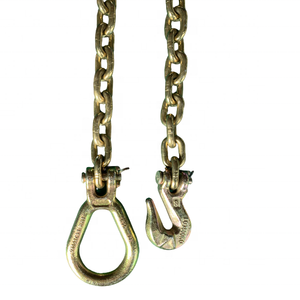
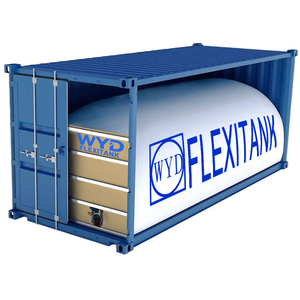
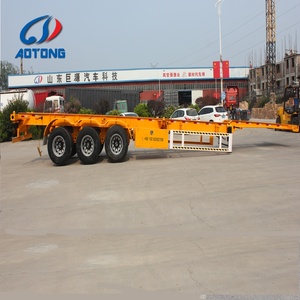
The northern logistics gateway along the CTT corridor (Cuautitlán, Tlalnepantla, Tultitlán) handles mega-distribution hubs for retail, automotive parts, and high-tech e-commerce operations. Our direct FCL/LCL consolidation services feed directly into cross-dock operations, integrating G70 transport chains, skeletal chassis trailers, and heavy packaging flexitanks for regional beverage and industrial chemical processing.
Supplying the world’s largest wholesale marketplace and the wider central Mexican consumer belt requires flawless cold-chain precision and bulk food-grade containment. Utilizing high-capacity 24,000L food-grade PE container flexitanks and temperature-monitored consolidation, agricultural goods, non-hazardous liquid ingredients, and packaging materials move swiftly from Chinese exporters directly into local processing units.
The global restructuring of manufacturing chains—driven by USMCA (T-MEC) integration and intensive industrial nearshoring into Mexico—has completely altered the China-to-Mexico trade balance. Rather than merely consuming finished retail goods, Mexico City has solidified its role as the financial command center and component distribution nexus for Tier-1 and Tier-2 manufacturers located across the Bajío, Estado de México, and Central corridors.
Over a century of forwarding heritage combined with modern predictive AI visibility platforms, bonded warehouse networks, and licensed customs brokerage across key trans-Pacific jurisdictions.
Founded in 1913 by Ernest Sommer and operating continuously as a fourth-generation logistics enterprise, we deliver institutional financial stability, enduring carrier relationships, and proven crisis resilience across shifting geopolitical landscapes.
Every client gains unhindered access to our real-time visibility ecosystem. Monitor Pacific vessel telemetry, predict inland port dwell times with machine learning models, manage shipping invoices, and instantly export ESG carbon audit metrics.
Our internationally accredited customs brokerage team operates with elite AEO (Authorised Economic Operator) and C-TPAT security credentials, ensuring accelerated customs release, minimal physical examinations (reconocimiento aduanero), and reduced security risk.
.png)
.png)
.png)
.png)
.png)
Critical operational answers regarding customs clearance, port congestion, demurrage mitigation, and freight consolidation from China to CDMX.
Standard LCL (Less-than-Container Load) co-loads your cargo with merchandise belonging to unrelated third parties inside a shared container managed by co-loaders. Upon arrival at Puerto Manzanillo or Lázaro Cárdenas, the entire container must be discharged into an off-dock CFS warehouse for physical destuffing, subjecting your goods to excessive handling, split customs hold-ups, and inflated terminal fees. In contrast, WTA's Buyer's Consolidation collects shipments exclusively from your multiple approved Chinese suppliers at our origin hubs (Shenzhen, Ningbo, or Shanghai), consolidating them into a dedicated FCL container registered under your single consignee name. You eliminate third-party deconsolidation fees, reduce landed transit times by 4–8 days, and preserve complete security control directly to Mexico City.
Cargo arriving from China at Pacific maritime terminals can either undergo immediate customs clearance at the maritime port of entry (Manzanillo/Lázaro Cárdenas) or move under internal customs transit (Tránsito Interno) directly to Aduana Interior de México (Pantaco Rail Yard in Azcapotzalco, CDMX). Internal rail transit allows containers to transfer directly from vessel to Ferromex or CPKC railcars under bond, completely sidestepping highway security threats and coastal customs backlogs. Final clearance (Despacho Aduanero) occurs locally in Mexico City, administered by your designated Mexican Agente Aduanal utilizing the electronic Pedimento framework.
Importers registered in Mexico must possess an active Padrón de Importadores license issued by SAT. Mandatory shipment documentation includes: (1) Commercial Invoice in Spanish or English containing explicit product descriptions, unit values, and Incoterms; (2) Detailed Packing List specifying gross/net weight and volumetric dimensions; (3) Clean Master Bill of Lading (MBL) or House Bill of Lading (HBL); (4) Certificate of Origin; (5) NOM (Normas Oficiales Mexicanas) Compliance Certification issued by an accredited Mexican verification unit (UVA) for electrical and mechanical safety; and (6) The dynamic Complemento Carta Porte 3.0 digital tax folio for all domestic inland haulage.
Demurrage and detention (D&D) represent the most frequent cost overruns in trans-Pacific shipping to Mexico, often exceeding original freight invoices during peak seasons. We mitigate this through three structural safeguards: First, we negotiate extended container free-time agreements directly with ocean shipping lines (typically 14 to 21 combined free days at Mexican terminals). Second, our origin document validation process ensures all Pedimento drafts, tariff codes (HS Codes), and NOM declarations are pre-validated before the container departs Chinese shores. Third, our real-time visibility platform triggers automated delay alerts, allowing drayage carriers and rail ramps to stage intermodal chassis well in advance of vessel discharge.
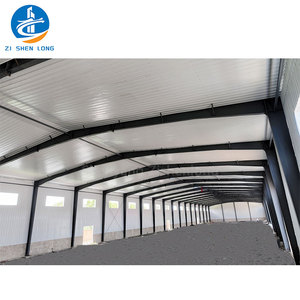
Yes. In addition to general cargo consolidation, our specialized engineering logistics division handles heavy equipment, prefabricated warehouse buildings, and material handling machinery. We supply certified AS-standard G70 lashing chains, heavy-duty container chassis, low-bed skeletal trailers, and electric forklifts up to 2 tons for terminal unstuffing. Our local CDMX haulage team manages urban circulation permits, route dimension surveys, and timed night deliveries into high-density zones like Azcapotzalco and Vallejo, completely conforming with local municipal transport ordinances.