
Enterprise logistics packages designed for tier-1 supply chains navigating customs compliance, heavy flatbed carriage, chemical raw solvent handling, and turnkey DDP routing.
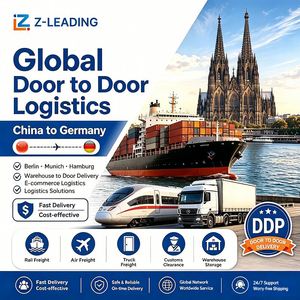
Connecting Chinese coastal manufacturing centers to inland Berlin demands precise port routing, customs precision under German Zoll guidelines, and seamless multimodal rail and barge links.
Over 60% of Berlin-bound ocean containers from Shanghai and Ningbo discharge at Hamburg. Utilizing feeder barges via the Elbe-Havel Canal or daily container block trains to Berlin Westhafen terminal provides carbon-optimized final clearance.
For ultra-large container vessels (ULCVs) exceeding 20,000 TEU, JadeWeserPort Wilhelmshaven offers non-tidal discharge. WTA orchestrates immediate intermodal direct rail drayage straight to Berlin-Süd freight hubs.
Direct weekly sailings into Rotterdam or Bremerhaven provide flexible contingency routing during high-water or congestion phases along the Elbe, ensuring raw industrial materials consistently feed Berlin's assembly lines.
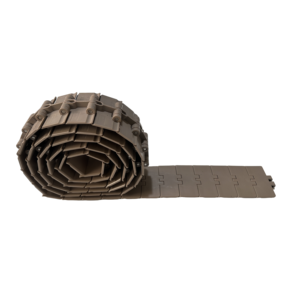
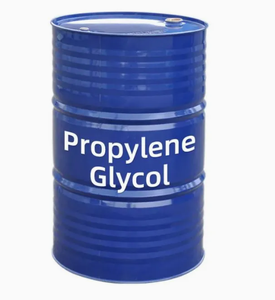
The Berlin-Brandenburg metropolitan region has rapidly evolved from an administrative capital into a powerhouse for gigafactories, renewable energy equipment, advanced consumer electronics, and fast-fulfillment e-commerce. Sourcing high-volume parts, chemical precursors such as pharmaceutical-grade solvents, and conveyor systems from China demands an ocean freight forwarder capable of mitigating international carrier volatility.
WTA Group solves critical inland connectivity friction through integrated FCL (Full Container Load) and LCL (Less than Container Load) consolidation programs originating from major Chinese manufacturing hubs—including Shenzhen, Ningbo, Qingdao, and Shanghai. By linking ocean bill of ladings directly with T1 transit documentation from Hamburg to inland customs offices (Zollamt Berlin), our clients eliminate destination terminal bottlenecks, avoid punitive demurrage, and maintain accurate production pacing.
Regulatory shifts, green corridors, and digital customs workflows are reshaping how Berlin enterprises manage transcontinental shipping.
With the European Union Carbon Border Adjustment Mechanism (CBAM) phase-in, Berlin importers require precise per-TEU vessel emissions data. WTA's Visibility Platform provides automated CO2 tracking on every trade lane.
German customs authority demands rigorous electronic filing. Pre-clearing consignments while ships navigate the North Sea prevents inland rail dispatch holds at Hamburg and Bremerhaven yards.
High carrier equipment charges make contracted free-time negotiations paramount. We negotiate extended 14-to-21 day origin/destination free-time clauses directly with ocean alliances (2M, Ocean Alliance, THE Alliance).
Founded in 1913 by Ernest Sommer, WTA Group has evolved into a global logistics partner across four generations of family ownership. Headquartered in Manchester, with wholly-owned operational offices in China, the United States, and the UAE, our enterprise infrastructure bridges the manufacturing hubs of East Asia directly into Central European distribution centers.
Rather than acting simply as a freight booking intermediary, WTA serves as an architectural supply chain engineer. Our proprietary WTA Visibility Platform provides 24/7 predictive milestone tracking, container GPS telemetry, documentation archiving, and automated invoice reconciliation. Backed by AEO and C-TPAT security accreditations, we streamline trade compliance across 679 active trade lanes, safeguarding over 6,000 customers from unpredictable ocean transport risks.
Key regulatory, routing, and transit considerations for German procurement directors and supply chain managers.
Port-to-port ocean transit from Shanghai/Ningbo to Hamburg typically spans 28 to 36 days via Suez, or 38 to 44 days routing via the Cape of Good Hope. Inland container rail or barge transport to Berlin inland ports (Westhafen or Neukölln) adds 2 to 4 business days including terminal handling.
Customs declarations are routed electronically through Germany's ATLAS system. Containers are cleared either at the sea port of entry (Hamburg/Bremerhaven) upon discharge, or moved under a T1 customs transit procedure directly to Zollamt Berlin (Marzahn or Dreilinden) for final duty and EU-EORI processing.
FOB (Free on Board) or FCA (Free Carrier) at Chinese ports is strongly recommended. This gives the German buyer full control over carrier selection, vessel routing, transparent destination Terminal Handling Charges (THC), and contractual free time, preventing hidden markup under CIF terms.
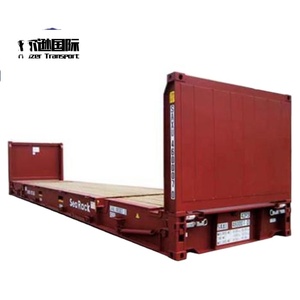
We deploy dedicated specialized equipment including heavy-payload flatbeds, flexitanks, and ISO tank containers compliant with ADR (road) and IMDG (ocean) regulations. WTA provides comprehensive all-risk marine cargo insurance policies covering goods door-to-door against damage or general average.