
Integrate our certified containerized transfers, temperature-regulated cold storage, and heavy-duty load securing mechanisms engineered to withstand transit across Karachi, Gwadar, Lahore, and CPEC logistical corridors.
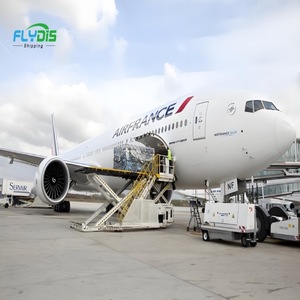
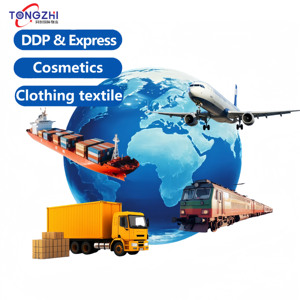
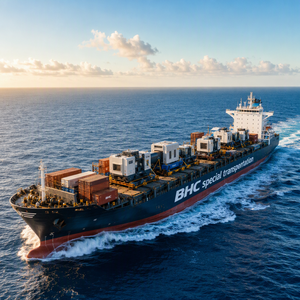
Traditional warehousing paradigms in emerging South Asian supply chains suffer from systemic inventory friction. In Pakistan, where demurrage costs at port gateways like Karachi Port Trust (KPT) and Port Qasim can erode commercial margins within 96 hours of discharge, executing immediate cargo transshipment without long-term storage is an economic imperative.
Cross docking replaces dead inventory holding with velocity. Inbound full container loads (FCL) arriving from primary trade partners across China, the European Union, and North America are discharged directly into specialized cross-dock transshipment bays. Cargo is categorized, palletized, consolidated, or split into less-than-truckload (LTL) parcels and dispatched onto regional linehaul fleets within an operative window of under 24 hours.
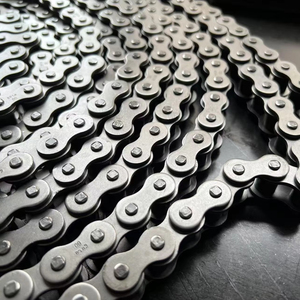
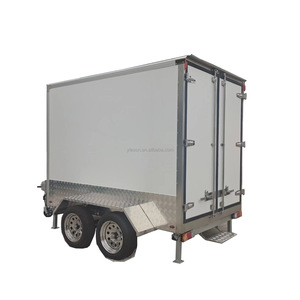
By leveraging custom conveyor roller chains, heavy-duty cargo tie-downs, and refrigerated trailers, supply chain leaders eliminate secondary put-away cycles, reduce double-handling damages, and completely mitigate Karachi port container detention surcharges.
Audited standard operating metrics across our South Asian and Middle Eastern transshipment corridors:
How international procurement managers, factory directors, and FMCG brand distributors apply cross-docking nodes to cut costs and streamline local supply lines.
Over 65% of raw maritime freight enters Pakistan via Kemari and Port Qasim. Cross docking centers situated along the Northern Bypass break down marine containers into local 22-wheeler flatbeds and Pakistan Railways freight wagons within hours, distributing to industrial clusters in Faisalabad, Gujranwala, and Lahore without costly ocean carrier demurrage.
Pakistan's export powerhouse—the textile manufacturing belt—requires precise just-in-time delivery of reactive dyes, spinning machinery chains, and specialized chemical auxiliaries. Our cross-dock hubs aggregate multi-supplier imports from China and the EU, performing dynamic QA checks and direct transfers straight into mill production lines.
Handling fresh meat exports to the GCC, citrus shipments from Sargodha, and temperature-controlled pharmaceuticals requires unbroken cold preservation. Mobile refrigerated trailer docks transfer temperature-sensitive freight across insulated loading fingers, safeguarding shelf life while strictly preventing thermal leakage.
An empirical financial and logistical comparison for enterprise supply chain controllers.
| Performance Dimension | WTA Cross Docking Solution | Conventional Warehousing (Port/Dry Port) | Business Impact for Pakistan Trade |
|---|---|---|---|
| Inventory Dwell Time | 4 to 24 Hours | 14 to 45 Days | Frees operational working capital immediately |
| Port Demurrage & Detention | Zero (Containers returned within 48h) | Severe ($80 - $180 per TEU/day penalty) | Saves thousands of dollars on currency-drained freight |
| Handling Touchpoints | One-time transfer (Inbound to Outbound) | Multiple (Unload, Rack, Re-pick, Stage, Load) | Reduces physical cargo damage rates by up to 78% |
| Customs Brokerage Speed | Pre-cleared via WeBOC Green Channel | Manual off-dock bonded processing | Prevents commercial regulatory inspection delays |
| Visibility & Tracking | 24/7 Digital Platform & Milestones | Manual paper airway bills/consignment notes | Live tracking via WTA proprietary Visibility Cloud |
Emerging infrastructure, regulatory reforms, and bilateral trade dynamics redefining South Asian cross-docking operations.
With western alignment infrastructure expanding via the M-8 motorway and N-85 highway, cross-docking facilities are migrating closer to inland border entries, facilitating rapid Chinese cross-border cargo transfer from Kashgar through Khunjerab to Karachi and Gwadar.
The Pakistan Single Window (PSW) initiative has unified customs, plant quarantine, and shipping line manifests into a synchronized electronic ledger. This digital streamlining makes sub-12-hour cross-docking viable by allowing pre-arrival manifest processing.
The rapid expansion of domestic and B2B digital commerce across urban nodes like Karachi, Rawalpindi, and Multan has generated urgent demand for dynamic micro-cross-dock centers that process high-velocity consumer goods with automated sortation systems.
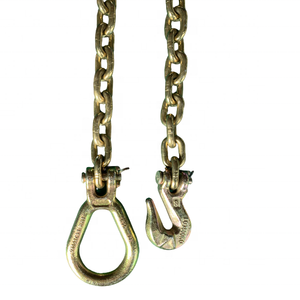
Pakistani freight transport is shifting from manual loose-bag loading to standardized Euro-pallets and ISO-compliant securing systems. Utilizing rated G70 transport chains and specialized roller chains ensures linehaul transit complies with National Highway safety standards.
With Pakistan Customs implementing Authorised Economic Operator (AEO) frameworks aligned with global WCO standards, certified freight forwarders can transfer cross-docked containers across bonded inland dry ports (Prem Nagar, Badami Bagh) with zero en-route physical barrier checks.
Founded in 1913 by Ernest Sommer, WTA combines four generations of family-owned freight forwarding heritage with cutting-edge real-time visibility platforms.
We have navigated world conflicts, commercial realignments, and industrial shifts since 1913. As a fourth-generation family business, our financial resilience and long-standing carrier contracts safeguard your cargo when shipping volumes fluctuate.
Cross docking fails if customs documentation falters. WTA operates in-house licensed customs brokerage teams holding prestigious AEO (Authorised Economic Operator) and C-TPAT security accreditations, ensuring rapid, compliant passage through maritime and airport customs.
Eliminate supply chain blind spots. Every client gains complimentary access to our centralized visibility platform and mobile application—offering predictive delay warnings from live vessel feeds, automated invoice auditing, and comprehensive ESG carbon reporting.
.png)
.png)
.png)
.png)
.png)
Clear, definitive answers addressing regulatory compliance, demurrage risks, and multimodal scheduling.
Demurrage begins when laden containers remain inside the marine terminal past allocated free days (typically 5 to 7 days for major lines). Our off-dock cross-docking arrangement pulls the container immediately upon customs clearance to our nearby consolidation bay. Freight is decanted onto domestic flatbed trucks or box trailers, and the empty marine equipment is returned to the shipping line depot within 24 to 48 hours, fully insulating you from expensive detention penalties.
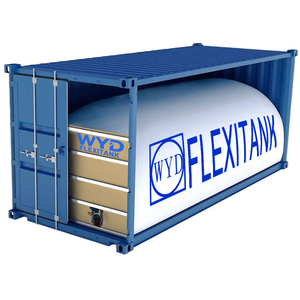
Yes. Utilizing certified equipment such as our 20ft Food Grade PE Flexitanks (for bulk edible oils and beverages) alongside specialized Hazmat-compliant protocols for Class 9 lithium batteries and liquid chemicals, we facilitate direct transfers without prolonged exposure to Pakistan's ambient heat, maintaining chemical integrity and meeting international IMDG codes.
Cargo requires an electronic Goods Declaration (GD) processed through the WeBOC or Pakistan Single Window (PSW) system, alongside standard commercial invoices, packing lists with detailed HS Code breakdowns, Certificates of Origin, and relevant Phytosanitary or Form-E/Form-I bank compliance records. WTA's in-house licensed customs brokers manage this digital lodgement before physical vessel docking.
During the transshipment process, high-value components (such as solar PV inverters, precision machine tooling, and agricultural mechanical assemblies) are secured using AS Standard G70 transport chains, pear links, and winged grab hooks. Heavy equipment is tension-latched to trailer chassis in adherence to strict axle-load limits, preventing shifting across rugged highway segments.
Yes. All linehaul vehicles integrated with our cross-docking network are equipped with satellite GPS transponders and digital electronic locks. Inbound milestones, loading timestamps, departure notifications, and arrival sign-offs synchronize automatically with the free WTA Visibility Platform, accessible 24/7 via mobile and web.