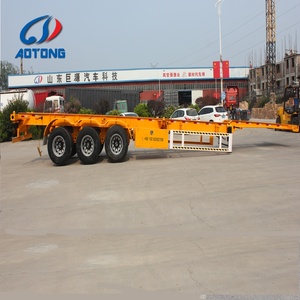

Purpose-built transport assets, storage facilities, and certified forwarding modules engineered to withstand long-haul corridors and high-heat Middle Eastern transit environments.

Modern commercial infrastructure across the Republic of Iraq requires precision logistics far surpassing conventional Less-than-Container Load (LCL) freight handling. When supplying key public-sector infrastructural projects or commercial distribution hubs across Basra, Baghdad, and the Kurdistan Region, importers and Tier-1 contractors encounter severe friction: split-supplier documentation disparities, cargo damages from repeated transshipment, non-compliant palletization resulting in customs penalties, and lack of origin visibility. As a factory-direct OEM freight consolidator and global licensed forwarding network, our consolidation architecture integrates production-level packaging engineering directly with international freight execution.
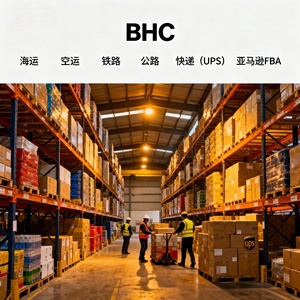
OEM consolidation does not merely combine freight into an ocean container; it engineers cargo geometry, structural dunnage, protective climate preservation, and technical verification before departure. At our consolidation hubs in Ningbo, Shanghai, Shenzhen, and Jebel Ali (UAE), shipments from dozens of sub-tier suppliers undergo rigorous physical staging: container weight-distribution balance on heavy-duty tri-axle chassis, mechanical moisture evacuation for desert transport, barcode serialization, and technical pre-inspection aligned directly with the Central Organization for Standardization and Quality Control (COSQC) regulations.
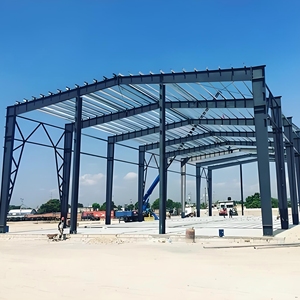
Operating with Authorised Economic Operator (AEO) and C-TPAT recognized protocols, we orchestrate the flow of project cargo from manufacturer assembly lines straight to terminal gates. By utilizing proprietary PEB warehousing for cargo marshaling and custom-fabricated 20GP/40HC configurations, our cross-dock workflows ensure that goods destined for petrochemical facilities, commercial food plants, or municipal power plants are systematically sorted, labeled with bilingual Arabic/English commercial markings, and customs-manifested with pinpoint precision.
Overcoming harsh desert transit conditions, localized logistics roadblocks, and intricate regional customs hurdles with specialized freight solutions.
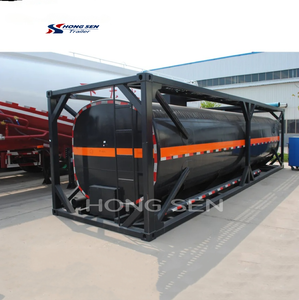
Consolidation of heavy mechanical valves, tubular drill strings, and Class 4 hazardous industrial chemicals via Umm Qasr North Port. Utilizing specialized heavy-duty skeletal chassis and DGR compliant packing to eliminate supply halts for Southern oil field operations.
Staging, grouping, and multi-supplier bundling of structural steel, pre-engineered building (PEB) modules, and architectural hardware. Pre-sorting at origin ensures synchronous phased delivery directly to urban construction zones without staging backlogs.
Transport of perishable food items, pharmaceuticals, and sensitive consumer goods utilizing high-efficiency industrial cooling units and climate-monitored refrigerated containers routing smoothly via Mersin overland transit or direct Arabian Gulf transshipments.
The import landscape of Iraq is experiencing a structural pivot fueled by nationwide economic stabilization and modern infrastructure modernization. A comprehensive understanding of these underlying macro shifts is vital for supply chain leaders looking to minimize risk and optimize delivery velocity:
1. Strict Enforcement of Pre-Shipment Inspection (ICIGI / COSQC): Iraq's transition away from discretionary border appraisals toward standardized quality assessments has elevated the role of origin verification. Consignments lacking third-party Certificates of Conformity (CoC) issued by authorized bodies (e.g., Bureau Veritas, TÜV, SGS) face prolonged holding or forced re-exportation at Umm Qasr. Strategic OEM freight consolidation shifts this burden upstream, securing product testing, batch verification, and technical certification during cargo receipt at our consolidation warehouse.
2. Multimodal Routing Diversification: While Umm Qasr remains the primary maritime gateway into Iraq, modern forwarders are executing hybrid intermodal paths to bypass seasonal canal congestion and Persian Gulf delays. By linking direct ocean services into Jebel Ali, UAE, with scheduled feeder connections, or utilizing overland bonded trucking networks via Jordan (Aqaba) and Turkey (Mersin), supply chain operators achieve unprecedented delivery predictability.
| Transit Corridor | Avg. Transit (China Origin) | Border Checkpoint | Primary Cargo Suitability |
|---|---|---|---|
| Direct Ocean to Umm Qasr | 24 – 32 Days | Umm Qasr Port (Basra) | Heavy plant equipment, bulk construction, FCL/LCL consolidation |
| Jebel Ali Feeder Consolidation | 28 – 35 Days | Umm Qasr North Terminal | Consolidated multi-vendor LCL, dangerous goods (Hazmat Class 4) |
| Overland Bonded via Turkey | 18 – 24 Days | Ibrahim Khalil (Zakho) | Erbil/KRG project cargo, consumer retail, temperature-controlled food |
| Air Express via Baghdad / Erbil | 3 – 6 Days | BIAP / EIA Terminals | Urgent replacement spares, high-value tech, pharmaceutical stock |
3. Digitization & Real-Time Tracking Integration: The historical opacity of Middle Eastern land transport is rapidly being superseded by cloud-native container telemetry. With enterprise logistics management software, Iraqi buyers now demand live satellite visibility, automated route milestone timestamps, and predictive alerts for customs release intervals, eliminating the costly administrative lag that formerly led to severe demurrage fees.
A family-owned global forwarder built over four generations since 1913, integrating comprehensive licensed customs brokerage with international freight asset control.
Founded in 1913 by Ernest Sommer, our fourth-generation global forwarding infrastructure moves shipments across 122 countries and 679 trade lanes with deep multi-market reliability.
In-house licensed customs brokers with AEO, C-TPAT, IATA, and BIFA accreditations ensure every commercial invoice, packing list, and CoC documentation package remains completely compliant.
Our dedicated operations center located 30 minutes from Jebel Ali Port offers complete consolidation capabilities, transshipment buffering, and swift feeder clearance into Umm Qasr.
Free enterprise access to our visibility portal and mobile app: 24/7 shipment tracking, predictive delay modeling, automated ESG carbon calculations, and paperless order management.
We actively protect clients against surprise ocean surcharges, detention penalties, and port storage inflation through transparent, upfront, all-in Incoterm quotes (FOB, CIF, CFR, DDP).
A proven Net Promoter Score of 77 with an 85% top-tier satisfaction ranking, backed by world-class enterprise clients including JDE Peet's, Tesco, Zoomo, and Eaton.
Actionable answers to core customs, documentation, and cargo routing requirements encountered by commercial purchasers in Iraq.
Iraq's Central Organization for Standardization and Quality Control mandates rigorous conformity verification. We manage pre-shipment sampling, laboratory testing, and third-party inspection (TÜV/Bureau Veritas/SGS) directly at our export consolidation facility, issuing clean Certificates of Conformity before containers are loaded to prevent port rejections.
Umm Qasr North features modern, privately managed container terminals (such as BCT and ICTSI), which provide higher gantry crane productivity, reduced drayage dwell times, and streamlined scanning procedures compared to older public berths, rendering it ideal for consolidated commercial containers.
Yes. Under our OEM consolidation service, we act as the single unifying shipper, integrating products from dozens of separate manufacturers into one unified Master Bill of Lading (MBL), backed by localized House Bills (HBL) and itemized consolidated commercial invoices for customs declaration.
We negotiate extended free-time agreements (typically 14 to 21 free days at destination) with partnered ocean carriers. Additionally, our digital visibility platform alerts Iraqi consignees ahead of vessel arrival, enabling pre-clearance filings prior to container discharge.
Iraqi customs authorities require an authenticated Commercial Invoice (attested by local chambers of commerce and the Iraqi Embassy where required), Packing List, clean original Bill of Lading, Certificate of Origin (COO), and the applicable CoC (Certificate of Conformity) for regulated goods.
Direct ocean service typically averages between 24 and 32 days port-to-port. When transshipping or combining cargo via our Jebel Ali facility, overall door-to-door transit generally spans 28 to 38 days, inclusive of feeder transfers and documentation finalization.