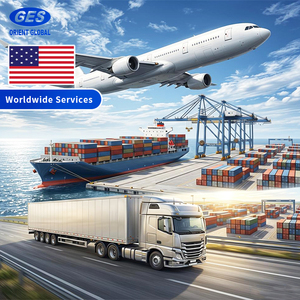

Bridging industrial manufacturing corridors with specialized freight forwarding, precision warehousing, and dedicated container drayage tailored to high-velocity South Asian manufacturing requirements.
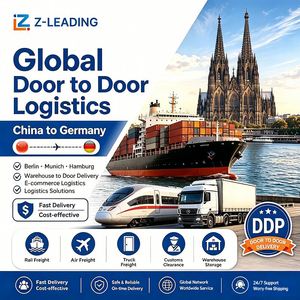

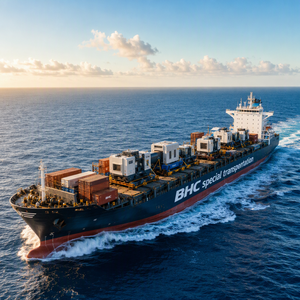


Navigating the burgeoning Bangladesh trade market requires an intricate convergence of international maritime forwarding, customs brokerage under National Board of Revenue (NBR) regulations, bonded warehouse operations, and inland container depot (ICD) management. As an established global logistics entity with roots tracing back to 1913, our logistics factory network delivers predictable, tech-enabled supply chain models that protect your capital and eliminate production downtime.
Tailoring OEM logistics manufacturing and cross-border freight forwarding to the unique infrastructure, legal, and operational nuances of Bangladesh's primary industrial zones.
Managing high-velocity import corridors for raw cotton, synthetic yarn, greige fabrics, industrial dyes, and high-speed sewing machinery. Our system coordinates fast-track clearance via Chattogram Port and air corridors through Hazrat Shahjalal International Airport (DAC), ensuring just-in-time feeding of manufacturing units throughout Gazipur, Narayanganj, Savar, and Chittagong Export Processing Zones (CEPZ).
Turnkey project cargo forwarding for utility-scale solar installations, substation components, and high-capacity PV inverters. We engineer flat-rack container allocations, low-bed multi-axle hydraulic trailer inland haulage, and specialized barge transshipment along the Meghna and Padma waterways to reach remote power generation sites across Cox's Bazar, Sirajganj, and Feni.
Strict GDP-compliant temperature-regulated transport solutions for life-saving therapeutics, active chemical compounds, and laboratory reagents. Utilizing automated reefers, vacuum-insulated packaging (VIP), and real-time dataloggers to maintain temperature bands (+2°C to +8°C, -20°C) from international factories directly to pharmaceutical formulation plants in Kaliakoir and Tongi.
Comparing multi-tiered transit structures to assist procurement directors in balancing demurrage avoidance, transit durations, and total cost of ownership.
| Transport Mode | Primary Entry Node | Average Transit Window | Customs Protocols (NBR) | Demurrage Risk Profile | Suitability & Focus Sector |
|---|---|---|---|---|---|
| Direct Ocean FCL / LCL | Chattogram Port (CTG) / Mongla | 14 - 28 Days (Asia / Middle East) | Bill of Entry via ASYCUDA World; Pre-arrival Manifest | Managed / 14-21 Free Days | Bulk yarn, heavy production machinery, solar components, general retail commodities. |
| Charter & Scheduled Air | Hazrat Shahjalal Int'l (DAC) | 2 - 5 Days | Fast-track airway bill clearance; DG certification | Low / Minimal Ground Dwell | Urgent RMG samples, critical manufacturing line replacement parts, active pharmaceuticals. |
| Cross-Border Land Port | Benapole / Petrapole Border | 3 - 7 Days (Overland India) | Bilateral overland transit bond & joint physical inspection | Medium / Border Queue Dependent | Automotive sub-assemblies, bulk chemical precursors, paper board packaging. |
| Coastal & River Barging | Pangaon Inland Terminal / Payra | 4 - 8 Days Inland Feeder | Inter-terminal manifest transfer; Bonded inland river transit | Low / Controlled River Depots | Finished consumer goods distribution, bulk construction clinker, heavy industrial steel. |
Understanding structural trade developments driving efficiency, nearshoring resilience, and supply chain modernizations through 2030.
The transition toward the 16-meter-draft Matarbari Deep Sea Port marks a pivotal revolution. By accommodating post-Panamax container vessels carrying up to 8,000+ TEUs without transshipment reliance through Singapore or Colombo, shippers will experience a 4-to-7 day direct transit time reduction and substantial per-TEU ocean freight savings.
The Bangladesh National Board of Revenue is modernizing clearance by interconnecting 39 trade agency interfaces into the automated National Single Window. Coupled with Bangladesh Bank's evolving electronic Letters of Credit (e-LC) authorizations and swift digital Certificate of Origin processing, customs documentation delays are shrinking from weeks to mere hours.
With Bangladesh boasting the highest concentration of LEED-certified green garment factories globally, brands and Tier-1 manufacturers are demanding audited carbon footprints. Our integrated logistics models provide precise vessel emission accounting, intermodal rail conversions from Chattogram to Dhaka, and sustainable packaging protocols aligned with international Scope 3 requirements.
Founded in 1913 by Ernest Sommer and preserved as a high-performing global logistics provider, we eliminate the ambiguities and hidden markups common in emerging market forwarding.
Our in-house licensed customs documentation task forces operate inside key port authorities and air terminals. We navigate Harmonized System (HS) classifications, preferential tariff treatments under regional trade pacts, Statutory Regulatory Orders (SRO), and customs duty valuations without intermediary operational markups.
Every account partner is granted access to our cloud logistics visibility platform. Access live vessel AIS telemetry, automated detention and demurrage risk calculations, milestone notifications for import clearance approvals, and consolidated invoice document repositories accessible 24/7 across mobile and desktop.
We actively mitigate cost inflation by pre-negotiating expanded container free-time allowances (up to 14–21 days) with global ocean shipping liners, ensuring buffer periods during festive industrial shutdowns, port congestion surges, or extended customs documentary reviews.
Addressing legal compliance, LC requirements, port dwell times, and freight customs navigation for enterprise procurement managers.
Under Bangladesh Bank regulations, all commercial imports must operate under an irrevocable Letter of Credit (LC) or approved contract terms, authorized by a recognized authorized dealer bank. Importers must hold a valid Import Registration Certificate (IRC) issued by the Chief Controller of Imports and Exports (CCI&E), along with an active e-TIN, VAT registration certificate, and membership in a recognized trade chamber (such as BGMEA, BKMEA, or DCCI). Our forwarding documentation team audits proforma invoices, HS code descriptions, and shipping marks beforehand to prevent documentary discrepancies that could delay LC retirements.
Port demurrage and container detention frequently escalate when goods are held waiting for chemical laboratory tests, radiation certificates, or bill of entry validation. We tackle this by initiating pre-arrival filing in ASYCUDA World using advance manifest notifications. Additionally, our long-term contracts with ocean carriers secure extended free-time agreements (often 14 to 21 free days instead of the standard 7 days), and we coordinate immediate transfer to off-dock private Container Freight Stations (CFS) for rapid unstuffing.
Enterprises operating within Bangladesh Export Processing Zones (BEPZA zones) or Special Economic Zones (BSEZ / BEZA) enjoy duty-free import exemptions on capital machinery, production raw materials, laboratory testing equipment, and building materials under bonded warehouse concessions. Our customs brokerage holds established accreditations to submit and clear goods under automated bonded procedures, reconciling Utilisation Declarations (UD) and Utilisation Permissions (UP) with zone authorities without operational disruptions.
Direct feeder sailings from major transshipment hubs (Singapore, Port Klang, Colombo) typically arrive at Chattogram Port within 4 to 8 days. Ocean transit from major industrial ports in China (Shanghai, Ningbo, Shenzhen) averages 14 to 20 days. Shipments from Western Europe (Rotterdam, Felixstowe, Hamburg) and North American East Coast ports range from 28 to 38 days, depending on carrier feeder connections and Suez / Cape route deployments.
Yes. When fashion apparel production schedules or industrial factory deadlines face unexpected delays, our multimodal transport service switches maritime ocean containers arriving in Dubai, Colombo, or Singapore onto fast-track scheduled air freighters bound for European or North American destinations. This approach cuts transit times by 60% compared to ocean shipping while saving up to 50% compared to pure air charters directly from Dhaka.
The National Board of Revenue frequently issues SROs granting preferential customs duty (CD), regulatory duty (RD), or supplementary duty (SD) exemptions on specific imported technologies, green energy equipment, and pharmaceutical materials. Our regulatory clearance agents track these statutory changes directly, ensuring your import declarations declare the appropriate concession codes to optimize duty calculations.
Consult with our international multimodal freight directors to engineer custom OEM supply chain solutions, audit your existing landed tariff costs, and protect your manufacturing schedules against global port disruptions.