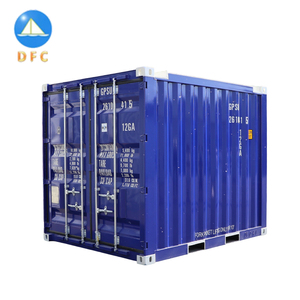

Tailored specifically for international wine, spirit, beer, and high-proof ethanol transport into Nairobi, Naivasha ICD, Mombasa, and landlocked EAC destinations.
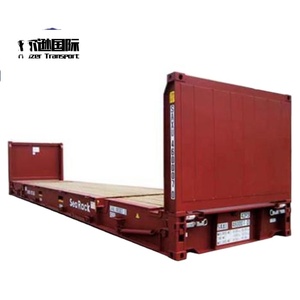
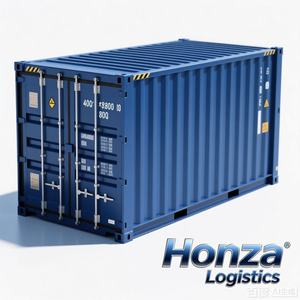

International shipping of alcohol through tropical equator corridors presents acute thermodynamic and physicochemical challenges. For high-volume distillers, importers, and regional bottlers in Kenya, thermal shocks during ocean transit through the Red Sea and the Indian Ocean can irrevocably alter ester balances, precipitate tartrates, and trigger uncontrolled pressure differentials inside standard dry vans.
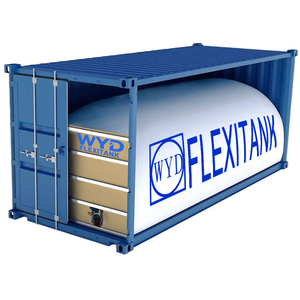
Our OEM liquid transit systems deploy virgin food-grade PE multilayer flexitanks with EVOH oxygen-barrier layers, paired with automated anti-wave corrugated bulkheads. This mitigates hydraulic surge forces during Standard Gauge Railway (SGR) transit between Mombasa and Nairobi Terminus. When exporting ethyl alcohol or high-proof intermediate spirits, we implement Class 3 Flammable Liquid protocols, including UN-certified stainless steel ISO tanks (T11 specification) and fully bonded explosive-mitigation drayage.
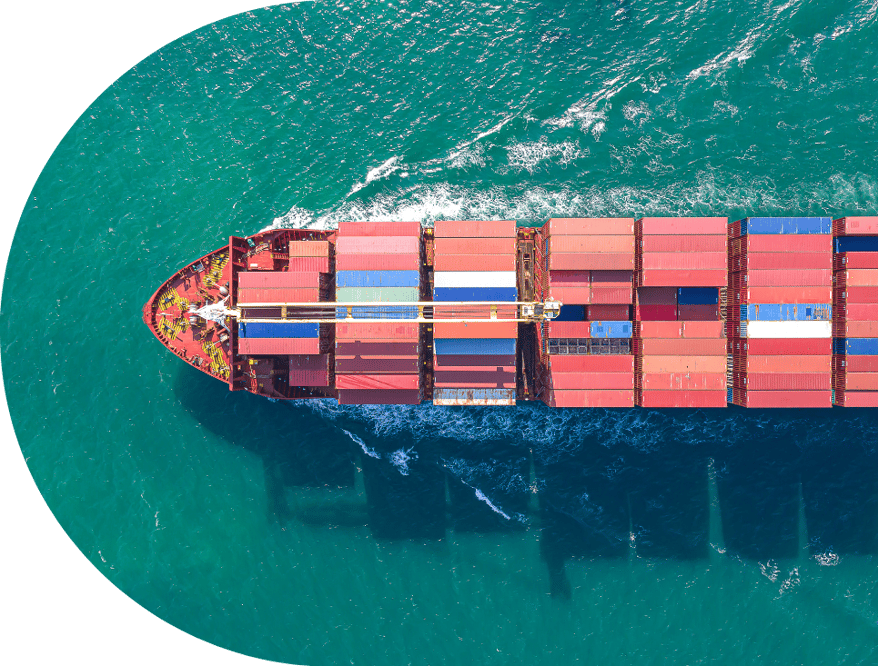
Optimized multimodal routing specifically designed for commercial distillers, craft beverage importers, and multinational brand managers operating through the Northern Corridor.
Alcohol consignments moving via Kilindini Harbour are rapidly cleared through green-channel bonded transit, shifting directly from vessel to SGR flatbeds bound for the Inland Container Depot Nairobi (ICDN) in Embakasi, completely eliminating road-vibration sediment breakage and slashing transit demurrage.
For regional beverage exporters serving landlocked markets (Uganda, Rwanda, South Sudan, and Eastern DRC), our bonded clearing facilities at the Naivasha Dry Port provide dry-to-road transshipment, localized tax-deferral customs escort, and direct cross-border transit bonds under the Single Customs Territory (SCT).
Deploying active and passive thermal barrier wraps within 20GP containers, our cold-chain solution protects premium wine imports from extreme Mombasa coastal heat waves (ambient 33°C+) to the cooler elevation of the Kenyan Highlands (1,795m), preventing cork protrusion, ullage loss, and oxidation.
Staying ahead of regulatory crackdowns, infrastructural modernization, and changing supply chain economics in Kenya.
Kenyan tax regimes impose substantially higher customs tariffs and excise stamps on finished bottled spirits compared to bulk concentrates. Tier-1 beverage manufacturers increasingly utilize 24,000L OEM food-grade flexitanks to import raw spirits, blending and bottling locally within EPZ zones to optimize landed margins.
The Kenya Revenue Authority enforces strict pre-export verification via the Electronic Goods Management System (EGMS). Shipments without pre-calibrated excise tax stamp allotments or automated track-and-trace metadata risk confiscation at Mombasa port terminals, making compliant forwarding partners indispensable.
Global alcohol conglomerates (e.g., Diageo, Pernod Ricard partners) now mandate precise Scope 3 freight emission analytics. By shifting Mombasa-Nairobi haulage from diesel road convoys to electric SGR freight, WTA provides quantifiable carbon offsets documented within client visibility dashboards.
Fourth-generation forwarder stability paired with accredited international security standards and end-to-end supply chain transparency.
Founded in 1913 by Ernest Sommer, WTA combines multi-generational institutional logistics knowledge with modernized freight technologies, serving over 6,000 customers globally across 122 nations.
Licensed customs brokerage with Authorized Economic Operator status and C-TPAT validation guarantees green-channel clearance priority and minimum physical intervention at customs checkpoints.
Free real-time tracking platform with predictive AI delay modeling, dynamic ETA calculation, invoice repository, and automated Scope 3 ESG carbon reporting accessible via desktop and mobile app.
We eliminate unexpected demurrage, detention, and hidden terminal charges through proactive vessel window booking, itemized BAF/CAF pricing, and pre-arranged free time extensions at African ports.
Critical insights on shipping alcohol, tariff structures, permits, and equipment selection for Kenya.
Commercial consignments require an import license from the National Authority for the Campaign Against Alcohol and Drug Abuse (NACADA), a Pre-Export Verification of Conformity (PVoC) CoC certificate issued by KEBS-contracted agents, an Import Declaration Form (IDF) processed via the Kenya TradeNet System, and pre-purchased KRA EGMS excise stamps.
Flexitanks are ideal for wines, unaged rums, intermediate grain spirits, and ciders destined for domestic blending and bottling. Compared to bottled freight in 20GP boxes, flexitanks increase payload by up to 40% per container, eliminate bottle tare weight, prevent in-transit glass breakage, and drastically reduce landed per-liter excise liabilities.
Spirits with alcohol by volume (ABV) exceeding 24% (such as 96% neutral grain alcohol or bulk whisky) fall under IMO Class 3 Flammable Liquids (UN 3065 or UN 1170). Shipments mandate Dangerous Goods declarations (DGD), UN-approved steel packaging or ISO tanks, and specialized hazardous cargo clearance prior to berthing at Mombasa container terminals.
We initiate document processing 7 days prior to vessel arrival using KRA SIMBA / ICMS integration, pre-clear IDF fees, and book direct SGR railage transfer. Furthermore, WTA negotiates 14–21 days of container free time directly with shipping lines, shielding importers from costly port storage penalties during seasonal congestion.
Yes. Under the East African Community Single Customs Territory (SCT), alcoholic beverages can be cleared at the first port of entry (Mombasa) with taxes paid directly to the destination revenue authority (e.g., URA or RRA). The cargo is then routed along the Northern Corridor under electronic regional cargo tracking system (RECTS) transit seals.
Coastal ambient temperatures in Mombasa frequently exceed 32°C with high humidity, while the inland climb to Nairobi drops temperatures significantly. We deploy multi-layered thermal foil container liners (reflective barrier quilts) or active refrigerated (reefer) containers dialed between 12°C and 16°C to prevent thermal stress, oxidation, and cork failure.
Connect with our specialized beverage logistics engineers. From custom OEM flexitank deployment and ISO tank configurations to bonded customs escort across East Africa, we engineer reliability into every nautical mile.