Cold Chain Rail
Thermal Range: -20°C to +25°C | Continuous IoT Telemetry | DFC Corridor Compatible
View Route Specifications

Explore purpose-built intralogistics systems, offshore certified flat racks, hazardous goods handling networks, and multimodal transit corridors engineered to connect inland Indian manufacturing nodes with world markets.
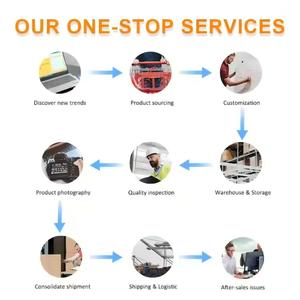

The overland freight landscape across the Republic of India is undergoing an unprecedented structural transformation. Driven by systemic initiatives including the PM Gati Shakti National Master Plan, the Western and Eastern Dedicated Freight Corridors (WDFC and EDFC), and the National Logistics Policy (NLP), industrial logistics in the subcontinent is transitioning from fragmented road haulage to high-density, multi-axle, multimodal rail-road networks. For global original equipment manufacturers (OEMs), engineering procurement managers, and plant logistics directors, standard surface transport is no longer adequate to absorb the demands of just-in-time (JIT) production lines. Overland transport serving India requires customized equipment manufacturing, ruggedized intermodal containers, active IoT telematics, and bonded transit protocols that interface directly with Inland Container Depots (ICDs) and Special Economic Zones (SEZs).
Overland cargo movement across India faces distinct operational and physical stress factors: severe ambient temperature fluctuations ranging from sub-zero conditions in Himalayan passes to beyond 48°C in the central plateaus and Thar Desert; extreme monsoon humidity; dynamic highway axle-load enforcement; and structural bottlenecks across urban peripheries. As an engineering-first freight forwarder and custom equipment partner, our overland operations harmonize ISO-grade structural equipment—such as DNV-certified collapsible flat racks and modular pallet gravity storage systems—with bonded multi-modal transport contracts. This synergy guarantees structural integrity, zero cargo shifts, and minimized dwell intervals across secondary distribution hubs.
By uniting asset-backed OEM containerization capabilities with our established legacy dating back to 1913, we empower automotive tier-1 suppliers, pharmaceutical bulk manufacturers, renewable infrastructure builders, and high-tech electronic producers to deploy overland freight corridors that cut total logistics costs by up to 22% while providing immutable ESG reporting metrics.
Strategic deployment architectures tailored to regional manufacturing concentrations, dry-port feeder routes, and complex cargo profiles.
Connecting automotive clusters in Manesar, Sanand, Chakan (Pune), and Sriperumbudur with port gateways via bonded overland rail and specialized multi-axle hydraulic trailers.
Route Value: Eliminates transit damage from torsional stresses during rough highway transits and accelerates line feeding by 35%.
Navigating the stringent cold-chain demands of Active Pharmaceutical Ingredients (APIs) and finished biologics traversing the subcontinental heat belts.
Compliance Standard: Fully aligned with WHO Good Distribution Practices (GDP) and Indian CDSCO pharmaceutical transit directives.
Overland transport of utility-scale solar arrays, wind turbine blades, and substation transformers into remote interior installations.
Strategic Yield: Zero breakbulk demurrage via synchronized crane mobilization at project site arrival.
Key regulatory and infrastructural tailwinds driving procurement managers toward integrated multimodal models.
The commissioning of the Western DFC (linking Dadri in UP to JNPT in Mumbai) and Eastern DFC allows heavier axle loads (25 to 32.5 tons) and double-stack container trains. Cargo moving overland on rail reaches transit speeds of up to 100 km/h, reducing transit times between North India's industrial hinterlands and western ports from 72 hours down to under 24 hours.
India's Unified Logistics Interface Platform (ULIP) integrates 30+ digital systems across ministries (including FASTag, FOIS, ICEGATE, and GST E-Way Bill). Procurement professionals now demand single-pane API integration that tracks multimodal consignment progress, cargo integrity, and customs duty payments automatically without administrative paper friction.
Multinational enterprises in India face strict Scope 3 decarbonization audits. Moving long-haul freight from conventional diesel trucks to intermodal electric rail cuts carbon emissions per ton-kilometer by up to 74%. Combined with optimized warehouse FIFO flow-rack layouts, overall lifecycle emissions across regional supply networks are sharply curbed.
Comparative structural parameters for high-velocity cargo consolidation and specialized cross-border handling.
| Equipment / Transit System | Structural Metallurgy / Specs | Payload / Operating Rating | Compliance / Accreditations | Target Industrial Use in India |
|---|---|---|---|---|
| DNV Offshore Flat Rack (10/20/40ft) | Corten Steel / Specialized Anti-Corrosion Primer | 25,000 kg – 50,000 kg Payload | DNV 2.7-1, EN 12079, ISO 1496-5 | Oil & Gas machinery, power generators, turbine components |
| Thermal Express Reefer Container | High-Density Polyurethane Sandwich Foam Panels | -20°C to +25°C Set Point Control | ATP Certified, TIR Convention, GDP Compliant | Pharmaceutical APIs, vaccines, frozen agri-products, fine chemicals |
| Industrial Pallet Flow Rack Systems | High-Tensile Cold Rolled Q235 Steel | Up to 1,500 kg / Pallet Position (FIFO) | ISO 9001, CE, AS 4084 Industrial Standards | Automotive line-side buffer storage, FMCG regional DCs |
| Hazardous Goods Overland Unit | Reinforced Spark-Proof Floor, Fire Retardant Liners | Class-Specific Spill Baffle Arrays | ADR / IMO Regulations, CCOE / PESO Certified | Lithium battery consignments, industrial solvents, specialty gases |
| Express Multimodal Rail Wagon Unit | High-Axle Steel Fabricated Intermodal Chassis | Up to 68 Tons Gross Axle Capacity | RDSO Verified, Indian Railways Approved | Bulk containerized consumer electronics, garments, machine tools |
A heritage built over 110 years, combined with modern visibility technologies, single-window customs clearance, and asset-backed structural engineering.
Founded by Ernest Sommer in 1913, our logistics network provides over a century of proven forwarding resilience through global supply disruptions, regional changes, and trade modernizations.
Full 24/7 visibility on desktop and mobile. Access predictive delay alerts powered by dynamic telemetry, automated invoice collation, and single-click Scope 3 ESG carbon reporting.
In-house licensed customs brokers backed by international AEO, C-TPAT, IATA, and BIFA accreditations. We process automated DDP entries with zero unexpected wharfage or dwell penalties.
Direct freight lines operating across 122 countries, serving over 6,000 corporate clients globally with specialized regional desks in the UK, USA, China, UAE, and direct corridors to India.
Eliminate surprise charges. Our quotes itemize inland haulage fees, terminal handling charges (THC), bunker adjustments, and local container free days with absolute contractual transparency.
Over 85% of long-term customers rate our forwarding services 8/10 or higher. We back engineering projects with dedicated account teams who know regional route mechanics and statutory hurdles.
Clear, practical answers addressing regulatory compliance, transit risks, container specifications, and tax structures.
Cargo moving overland under bond from sea gateways (such as Nhava Sheva/JNPT, Mundra, or Chennai) to Inland Container Depots (ICDs like Dadri, Tughlakabad, Sanand, or Whitefield) must be cleared via the Indian Customs EDI system (ICEGATE) under a Sub-Manifest Transhipment Permit (SMTP). The shipping lines must file the Import General Manifest (IGM) with explicit inland routing designated to the destination ICD code.
Furthermore, under India's Goods and Services Tax (GST) framework, all inland transport legs exceeding ₹50,000 in value must be supported by a valid electronic E-Way Bill (EWB) synchronized with the conveyance registration numbers. Using our Authorised Economic Operator (AEO) certified brokerage ensures automated bonding, eliminating border-check holds and dwell charges.
During peak summer (April to June), ambient temperatures on central and northern Indian highways regularly exceed 45°C to 48°C, with asphalt surface temperatures surpassing 60°C. Standard commercial reefers experience significant compressor stress and thermal degradation during traffic bottlenecks. Our cold chain transport relies on heavy-duty insulated sandwich panel reefers equipped with dual-fuel hybrid generator sets and dynamic multi-point IoT probes.
During the southwest monsoon (July to September), localized roadway inundation introduces delays. We mitigate flood bottlenecks by shifting priority freight onto the Dedicated Freight Corridors (DFC), utilizing scheduled electric container block trains that operate on elevated embankments isolated from highway flooding.
The Ministry of Road Transport and Highways (MoRTH) enforces strict Gross Vehicle Weight (GVW) limits across national highway networks. For instance, tandem axles are limited to 21 tons, and tri-axle trailers typically capped around 27 tons (depending on tyre configurations). For over-dimensional project consignments (ODC) and out-of-gauge (OOG) machinery, transit requires hydraulic multi-axle modular trailers and advance permits from MoRTH.
Our DNV-certified collapsible flat racks are engineered specifically to match crane lifting capacities and tie-down certifications. We perform computerized swept-path analyses and bridge load verifications before dispatching abnormal heavy-lift project units.
Hazardous cargo carriage in India is governed by the Motor Vehicles Act (Central Motor Vehicles Rules, Rule 129 to 137) alongside the Petroleum and Explosives Safety Organization (PESO) regulations. Transport vehicles must be equipped with anti-spark exhaust arresters, emergency response kits, and mandatory Transport Emergency Cards (TREMCARDs) printed in regional languages spoken along the transit route.
For Lithium batteries (UN3480 / UN3481) and volatile solvents (Class 3), our service integrates UN-certified rigid packaging, non-combustible cushioning, and thermal run-away containment systems. Every vehicle undergoes GPS driver geo-monitoring, avoiding route detours through high-density urban belts.
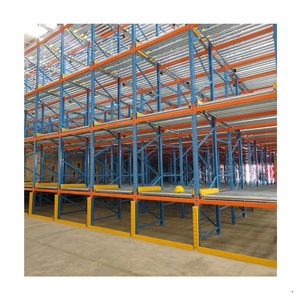
Overland freight efficiency depends directly on vehicle turnaround speed at receiving hubs. Standard static shelving systems frequently create loading dock bottlenecks, resulting in truck detention fees and poor fleet utilization. By manufacturing and installing heavy-duty gravity-fed pallet flow racks (FIFO), warehousing facilities automatically advance palletized freight toward dispatch bays via precision-engineered brake-roller lanes.
This layout cuts truck loading and offloading cycles by up to 60%, maximizes vertical warehouse space utilization by 40% compared to standard reach-truck aisles, and prevents SKU expiration risks in fast-moving consumer and industrial component inventories.
Yes. Our DDP infrastructure is designed specifically to serve industrial corridors expanding beyond Tier-1 metros into emerging hubs like Sanand, Jhajjar, Hosur, Pithampur, and Sri City. We manage the entire transactional lifecycle: foreign exchange clearance, central Customs Integrated Goods and Services Tax (IGST) disbursements, basic customs duties (BCD), state compliance documentation, port-to-door transit insurance, and final-mile liftgate delivery with signed electronic Proof of Delivery (e-POD).
Consult with our overland engineering specialists to architect custom containerization, secure dedicated block-train allocations, and obtain comprehensive door-to-door freight models tailored to your Indian supply lanes.
Get Catalog