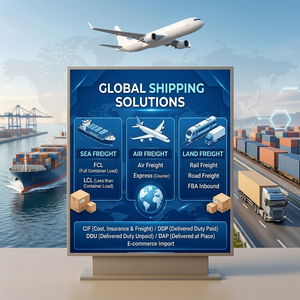

Turnkey customs clearing nodes, DDP multi-modal routing, and cold-chain/intralogistics systems supporting manufacturing transit across the Republic of Serbia.
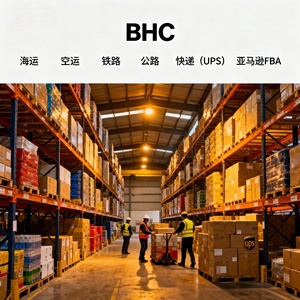
The Republic of Serbia occupies a unique position in contemporary European supply chain management. Positioned outside the European Single Market and the European Union Customs Union, yet geographically enclosed by EU member states, Serbia functions as a vital logistical nexus along the Pan-European Transport Corridor X and Corridor VII (the Danube waterway). For manufacturing enterprises, multi-tier industrial suppliers, and OEM automotive assemblers, navigating customs clearance serving Serbia demands deep structural knowledge of the Customs Administration of the Republic of Serbia (Uprava Carina), bilateral free trade mechanisms, and the intricate NCTS (New Computerised Transit System) framework.
Procurement departments orchestrating heavy equipment imports, automotive subassemblies, specialized chemical materials, and thermal-controlled agricultural equipment frequently encounter friction at main frontier posts such as Horgoš, Kelebija, Batrovci, and Gradina. Inefficient Harmonized System (HS) classification, mishandled Rules of Origin declarations, or missing veterinary/phytosanitary border inspections inevitably precipitate severe compound demurrage fees, terminal handling surges, and factory line shutdowns.
Customs clearance requirements in Serbia differ radically depending on the industrial corridor, commercial zone, and functional goods category:
Clustered around Kragujevac, Pančevo, and Niš, tier-1 component producers demand strict Just-in-Time (JIT) customs declarant handoffs. Using inward processing relief (IPR) protocols, components are imported duty-suspended, assembled, and re-exported to Western Europe under EUR.1 preferential certificates.
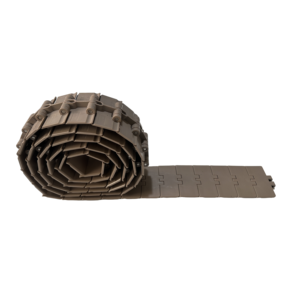
Serving large-scale extraction and mineral hubs in Bor and Smederevo. Heavy engineering units, oversized crushing systems, and specialized tabletop conveyor assemblies (such as the 820S-K400 series) require formal Out-of-Gauge (OOG) transit permits and temporary importation handling under ATA Carnet or bonded guarantees.
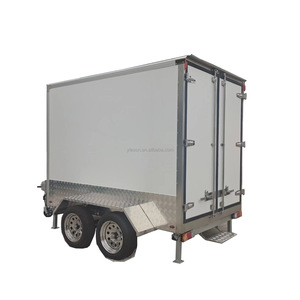
Vojvodina’s intense agricultural belt requires rapid transit clearance for refrigerated trailer systems, cold storage chillers, and agrochemicals. Sanitary and phytosanitary border inspections demand pre-arrival electronic documentation to prevent thermal excursions and spoilage during border holds.
Because Serbia is landlocked, maritime container freight originating in East Asia, North America, or the United Kingdom routes via strategic Adriatic or Aegean maritime ports before transitioning to rail or road transit under T1/NCTS bond:
| Corridor Gateway | Primary Modality | Avg. Border Lead Time | Customs Transit Regimes | Strategic Best-Fit |
|---|---|---|---|---|
| Port of Piraeus (Greece) → Belgrade | Block Train / Intermodal Rail | 24 – 48 Hours | T1 Transit under NCTS, Gradina Rail Terminal Entry | High-volume containerized consumer goods, electronics, China-origin FTA shipments |
| Port of Rijeka (Croatia) → Novi Sad | Road Freight (FTL) / Rail | 12 – 24 Hours | Batrovci / Sid Highway Crossing, ATA / SAD documentation | Time-sensitive auto parts, industrial engineering subassemblies from Transatlantic lanes |
| Port of Koper (Slovenia) → Central Serbia | Consolidated Road / Multimodal | 18 – 36 Hours | Intra-Balkan Transit Guarantee, Central Serbian bonded dry-port offloading | High-value machinery, hazardous chemicals (Class 4), specialized conveyor hardware |
| Port of Bar (Montenegro) → South Serbia | Rail (Belgrade-Bar line) / Road | 24 – 60 Hours | Bilateral Montenegro-Serbia transit agreement, Gostun checkpoint | Bulk mineral raw materials, raw aluminum, project logistics oversized freight |
The regulatory and physical landscape of Serbian foreign trade is modernizing at an accelerated rate:
1. Full NCTS Phase 5 Integration: In line with European Union harmonisation directives, Serbian Customs has mandated complete digital compliance under NCTS Phase 5. Paper-based customs entries have been superseded by XML-driven electronic manifests, enabling real-time risk triage, reducing manual customs desk processing from 6 hours to under 35 minutes for pre-cleared operators.
2. Free Customs Zones (Slobodne Zone) Expansion: Across 15 established Free Zones in Serbia (including Subotica, Novi Sad, Zrenjanin, and Pirot), manufacturing tenants benefit from total VAT exemptions on raw material entry, duty exemptions on production equipment, and free transfer of profits. Integrating bonded storage setups directly inside these zones circumvents standard import tax outlays until finished goods enter the domestic Serbian market.
3. Decarbonisation and CBAM Alignment: As Serbia aligns with the EU Carbon Border Adjustment Mechanism (CBAM) frameworks, factories exporting steel, aluminum, cement, and electricity are now required to furnish audited emissions data at border exit clearance. Customs brokerages must now supply precise ESG and fuel consumption analytics alongside commercial declarations.
Rooted in our founding in 1913 by Ernest Sommer, WTA Group fuses fourth-generation freight forwarding heritage with digital visibility and certified customs precision.
Our Authorised Economic Operator (AEO) status guarantees priority customs routing, simplified documentation channels, and drastically reduced physical border inspections throughout Europe.
Enjoy free 24/7 visibility on desktop and mobile. Track milestones, anticipate port congestion with predictive AI delay alerts, and retrieve commercial invoices instantly in one centralized hub.
We eliminate unexpected costs upfront. Transparent landed pricing schedules account for terminal handling, storage buffers, and transit documents, safeguarding your capital from port surcharges.
With 7 wholly-owned international control branches in the UK, USA, China, and the UAE, paired with active operations along 679 lanes, we oversee your cargo right from factory floor to Serbian warehouse.
Authoritative guidance covering tariff regulations, customs bonds, and freight handling into the Serbian market.
Consult with our licensed European logistics architects to access complete lane schedules, bonded transit frameworks, and comprehensive customs tariff catalogs tailored to your industrial profile.
Get Catalog