
Streamline bulk manufacturing procurement and hazardous cargo movements from origin factories across Asia straight into Ontario, British Columbia, Alberta, and Quebec distribution centers.
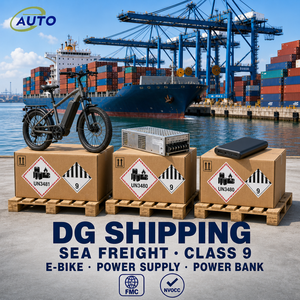


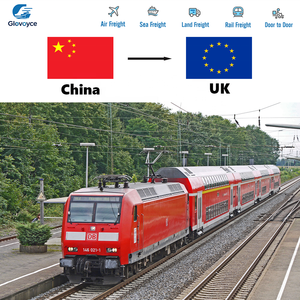
Navigating Canadian trade requires tailored logistics engineering. From maritime bottlenecks at the Port of Vancouver to intermodal drayage into Southern Ontario’s automotive belt, we deliver route optimization built for provincial realities.
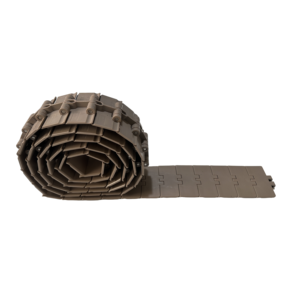
Southern Ontario manufactures critical assemblies requiring exact Just-in-Time (JIT) scheduling. Our multimodal factory-to-door forwarding coordinates automated conveyor components (such as the 820S-K400 series) and electronics via air-sea bridge charters, connecting directly with CPKC and CN intermodal rail heads to circumvent Brampton terminal bottlenecks.
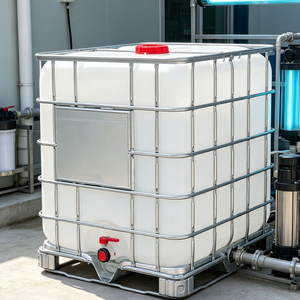
Saskatchewan, Manitoba, and Alberta agricultural operators depend on timely inputs of liquid fertilizers, soil nutrients, and fluid containment systems. WTA’s transport networks handle high-volume bulk ocean shipments of 1000L and 500L IBC totes, complete with freeze-protection drayage solutions designed specifically to handle extreme Canadian winters without fluid separation.
Cargo entering British Columbia faces peak seasonal dwell times. WTA employs localized pre-clearing alongside our proprietary visibility platform to execute fast transloading from ocean containers into domestic 53ft trailers, reducing destination demurrage by over 34% compared with standard port-to-door carrier bills of lading.
Regulatory shifts, carbon accountability, and trade lane recalibration are reshaping how Canadian importers interface with international factories. Here is our executive analysis on maintaining operational resilience.
The Canada Border Services Agency (CBSA) Assessment and Revenue Management (CARM) initiative has transitioned import accounting from paper records to direct digital portals. Importers without pre-delegated authority, direct financial security postings, or automated API classification face severe border holds at land and maritime ports of entry.
With Clean Transportation directives expanding across Canadian provinces, forward-thinking enterprises are replacing cross-country diesel trucking with electrified and hydrotreated vegetable oil (HVO) intermodal rail corridors. Combining ocean routes with precision-scheduled rail reduces Scope 3 freight emissions by up to 62% per TEU.
With exponential growth in Canadian electric mobility and energy storage systems (BESS), Transport Canada’s Transportation of Dangerous Goods (TDG) regulations have established strict safety compliance guidelines for lithium-ion battery supply chains. Origin verification and UN packaging certifications are now imperative before loading.
| Freight Modality | Average Asia → Canada Transit | Cost Index | Carbon Profile (g CO2/t-km) | Ideal Strategic Application in Canada |
|---|---|---|---|---|
| Ocean FCL / LCL (Vancouver Gateway) | 18 – 26 Days | Low | 12 – 18 | Heavy manufacturing equipment, conveyor chains, standard containerized inventory |
| Direct Air Freight Charter (YYZ / YVR) | 3 – 6 Days | High | 500 – 650 | Launch-critical consumer electronics, high-margin textiles, critical automotive spares |
| Ocean-Rail Intermodal (CPKC / CN Corridor) | 22 – 29 Days Door-to-Door | Moderate | 28 – 45 | Inland cargo routed directly to Brampton, Montreal, and Calgary logistics parks |
| Temperature-Controlled Hazmat Intermodal | 25 – 32 Days | Moderate-High | 32 – 50 | Class 9 hazardous materials, bulk agricultural fluids in intermediate IBC totes |
Combining 110+ years of institutional freight forwarding pedigree with real-time digital telematics, WTA delivers transparency where legacy brokers fail.
Our international compliance team holds world-standard security accreditations. WTA maintains verified Authorised Economic Operator status and C-TPAT verification, guaranteeing lower physical inspection ratios and priority border clearance into North America.
Every client receives free access to our cloud telematics platform. Monitor milestones, receive predictive delay alerts based on live AIS carrier streams, manage automated customs documentation, and generate automated ESG Scope 3 audits without spreadsheets.
Unlike standard forwarders who pass along unexpected destination terminal handling, BAF escalations, and unannounced storage charges, WTA provides transparent, all-in itemized schedules that protect your operational budgets.
Common inquiries from supply chain managers, procurement leaders, and logistics directors across Canada.
Consult with our dedicated multimodal forwarding team to analyze your active factory trade lanes, audit tariff classification exposure under CARM, and secure reliable container allocations.