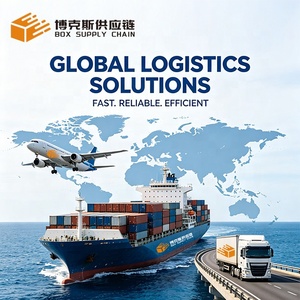
Procure industrial-spec freight material, loading automation, and end-to-end Matson/Express lanes tailored for US port clearance and inland distribution.
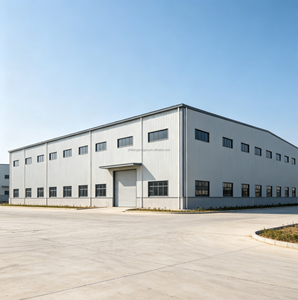
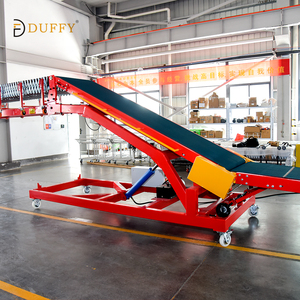
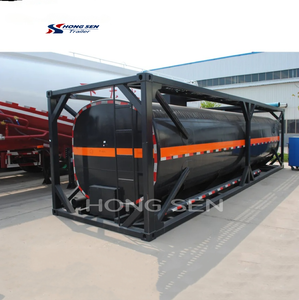
Modern cross-border manufacturing demands more than legacy third-party brokerage. Navigating the contemporary United States commercial corridor requires combining industrial-grade equipment engineering (such as pre-engineered modular distribution hubs and flexible automated truck unloaders) with algorithmic freight orchestration. By uniting direct factory equipment manufacturing with Class-A NVOCC transpacific shipping, WTA Group provides an unbundled, vertically integrated logistics apparatus that removes friction from port of origin to final inland mile.
American enterprises operating in automotive assembly, hazardous material distribution, industrial food manufacturing, and omnichannel e-commerce retail face acute challenges: volatile demurrage penalties, stringent Section 301 customs enforcement, and decentralized data silos. WTA eliminates these variables through our proprietary visibility engine and direct ownership of cargo equipment workflows. Rather than treating freight forwarding as mere space brokering, our factory-direct exporter platform engineers the container assets, fabricates the structural warehouses, and operates the software that governs customs clearance and interstate drayage.
Direct origin booking from Ningbo, Shanghai, and Shenzhen through dedicated Matson CLX and express maritime corridors directly into Long Beach and Oakland, reducing dwell time to under 24 hours.
Certified Class 9 Lithium battery and hazardous chemical transit lines with pre-cleared IMDG, UN-certified drums, bulk liquid ISO tank provisioning, and complete DOT regulatory alignment.
Synchronized rapid cross-docking leveraging Duffy high-flexibility loading conveyors and heavy-duty steel warehousing, scaling direct-to-shelf replenishment across the US heartland.
The logistics topology of the United States requires targeted multimodal routing. WTA integrates physical cargo hardware with real-time tracking across primary commercial gateways.
For high-volume retail and consumer durables entering Los Angeles and Long Beach ports, our Matson DDP programs bypass main terminal congestion via off-dock container yards. Utilizing our pre-engineered steel storage facilities in Ontario and Chino, importers achieve instant cross-dock throughput using Duffy truck loading conveyors, cutting labor costs by 42%.
Deploying specialized large-capacity bulk liquid containers and ISO flexitanks directly through Houston and Galveston terminals. WTA coordinates Hazmat Class 3 and Class 8 shipments with pre-cleared EPA TSCA declarations, bonded warehousing staging, and instant short-haul drayage directly to manufacturing plants along the Interstate 10 corridor.
Connecting Chicago, Columbus, and Indianapolis railheads through direct bonded container transfers. High-velocity consumer items move through automated customs clearance directly into Section 321 micro-fulfillment hubs, eliminating duty bottlenecks and meeting next-day retail compliance standards nationwide.
Procurement teams navigating international trade lanes in the United States operate under tightening regulatory oversight, evolving carbon standards, and shifting sourcing patterns. Understanding these trends is critical for maintaining supply chain agility.
While Mexican nearshoring expands along the southern border, Asian factory-direct manufacturing remains essential for heavy industrial equipment, complex electronics, and specialty structures. Leading US importers rely on dual-track networks: high-capacity primary Transpacific ocean services balanced by express air consolidation for time-critical replenishment.
U.S. Customs and Border Protection (CBP) enforces rigorous scrutiny under the Uyghur Forced Labor Prevention Act (UFLPA) and Anti-Dumping/Countervailing Duties (AD/CVD). Digital freight platforms with factory-level visibility provide verifiable chain-of-custody documentation, commercial invoices, and bill-of-lading mapping from raw material extraction to final delivery.
Demurrage and detention fees remain significant cost risks at marine terminals and rail ramps across Chicago, New York/New Jersey, and Los Angeles. Digital integration enables proactive yard management, container telemetry alerts, and early-dispatch empty return planning, keeping shipments well within contractual free-time windows.
Established in 1913 by Ernest Sommer and built over four generations of family leadership, WTA Group combines more than a century of logistics heritage with modern digital execution. Our long-term trade infrastructure delivers reliability across global supply chains.
Over a century of experience navigating industrial changes, regulatory shifts, and global disruptions. WTA provides enterprise buyers with stability, deep carrier partnerships, and battle-tested execution.
Our licensed, in-house customs brokerage teams maintain top-tier accreditations. Shipments benefit from reduced inspection ratios, prioritized CBP processing, and compliant entry through all major US ports of entry.
Every WTA client gains direct access to our tracking engine. Monitor live milestones, receive predictive delay alerts powered by machine learning, access electronic customs binders, and export ESG carbon reporting on demand.
With an NPS of 77 and an 85% satisfaction rating scored at 8/10 or higher, our dedicated account managers provide responsive, transparent communication without call-center runarounds.
Direct offices in the United States, United Kingdom, China, and the United Arab Emirates, reinforced by vetted WCA and BIFA networks, deliver end-to-end multimodal capacity across sea, air, rail, and road.
We eliminate unexpected invoice adjustments. Every quote provides full itemization of Bunker Adjustment Factors (BAF), Terminal Handling Charges (THC), chassis split fees, and customs documentation up front.
Key operational questions on customs clearance, transpacific routing, dangerous goods compliance, and digital visibility.
Connect directly with our senior freight forwarding and engineering specialists to review your trade lanes, HTS classifications, and equipment logistics needs.
Send an Inquiry