
Standardized intermodal equipment, DG-certified express handling, and critical infrastructure components optimized for express delivery across North African corridors.

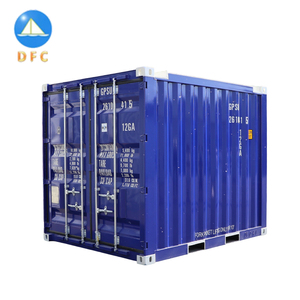

The Kingdom of Morocco has rapidly established itself as the preeminent manufacturing and transshipment bridge linking Sub-Saharan Africa, the European Union, and broader Mediterranean commerce. Through sustained sovereign investment under the National Industrial Acceleration Plan (PAI), industrial development has transitioned toward high-precision, low-latency verticals, most notably automotive manufacturing in the Kenitra Atlantic Free Zone and Tangier Automotive City (TAC), aerospace sub-assembly within the Midparc Casablanca Free Zone, and renewable energy components surrounding the Noor Ouarzazate complexes.
While maritime throughput via Tanger Med leads transshipment in container volume, express air freight represents the operational heartbeat of production continuity. When modern assembly lines operate under Just-In-Time (JIT) or Just-In-Sequence (JIS) frameworks, any tier-1 or tier-2 supplier bottleneck across international supply chains commands an emergency response. Relying solely on conventional 30-to-40-day maritime schedules from Shenzhen, Shanghai, or Ningbo introduces unacceptable working capital drag and vulnerability to global maritime choke points. Express air freight bridges this geographical distance, condensing transcontinental factory deliveries into a reliable 48-to-96-hour operating window.
Operational Reality: In modern Moroccan automotive assembly operations, an unmitigated line stoppage can cost an estimated €15,000 to €45,000 per hour. Express air freight is no longer viewed merely as a premium freight expense; it functions as essential systemic insurance for multi-million-euro production contracts.
Operating express air freight into Morocco requires navigating unique operational, geographical, and regulatory environments. Air cargo entering via Casablanca Mohammed V International Airport (CMN)—the nation's primary dedicated air cargo terminal handling over 85% of commercial air freight—must interface efficiently with the Administration des Douanes et Impôts Indirects (ADII) through the automated BADR (Base Automatisée des Douanes en Réseau) electronic clearing system. Importers, industrial procurement directors, and tier suppliers require forwarders who combine rigorous IATA Dangerous Goods Regulations (DGR) handling capabilities with licensed on-the-ground customs brokerage to prevent costly delays at Moroccan port of entry facilities.
| Routing & Service Mode | Carrier Mechanics | Door-to-Door Lead Time | Moroccan Customs Entry Gate | Ideal Industrial Payload |
|---|---|---|---|---|
| Direct Priority Air Express | Dedicated Freighter / First-Flight-Out | 48 – 72 Hours | Casablanca (CMN) Freight Terminal | AOG components, automotive line-down chips, urgent medical assays |
| Standard Consolidated Air Cargo | Scheduled Direct Belly Hold / Hub Transfer | 4 – 6 Business Days | CMN / Tangier Ibn Battouta (TNG) | Industrial sensor replacements, tooling, server hardware, samples |
| Sea-Air Hybrid (Via Dubai / Algeciras) | Combined Deep-Sea + Feeder Air Wing | 12 – 15 Days | Tanger Med / Casablanca Port & CMN | Seasonal fast-fashion replenishment, high-value consumer retail |
| Standard Maritime Ocean Container | Direct Deep-Sea Linehaul (FCL / LCL) | 32 – 42 Days | Port of Casablanca / Tanger Med | Heavy raw materials, bulk agricultural chains, structural container chassis |
How engineered air freight accelerates uptime, drives export compliance, and maintains regulatory conformity across the Kingdom's critical economic sectors.
Home to major Stellantis and Renault manufacturing plants, the northern automotive belt relies heavily on Just-In-Time supply chains. Express air charters and priority consolidations frequently deliver mission-critical microcontrollers, electronic wire harness clips, and stamped metal fasteners directly to manufacturing plant floors. By maintaining pre-cleared BADR documentation, customs clearance turnaround at CMN or TNG is systematically minimized to hours rather than days.
Situated in Nouaceur directly adjacent to Mohammed V Airport, Midparc accommodates tier-1 aerospace suppliers producing aerostructures, nacelles, and avionics cabling. Aircraft-On-Ground (AOG) situations demand 24/7 technical logistics: our direct-ramp handling allows precision tooling, titanium fasteners, and composite resins to move from plane cargo doors to specialized cleanrooms under strict temperature-controlled chain of custody.
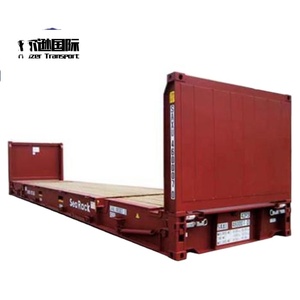
The expansion of Concentrated Solar Power (CSP) and wind turbine corridors across Ouarzazate, Tarfaya, and Midelt requires replacement inverters, electronic relays, and hydraulic actuators at critical junctures. Express air freight routes these sensitive electro-mechanical components through Casablanca, immediately transferring cargo to heavy-duty flatbed transport for swift inland deployment.
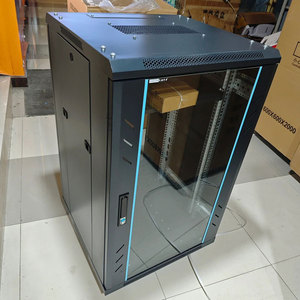
As Casablanca Finance City (CFC) accelerates digital sovereignty initiatives, enterprise-grade cloud centers require rapid deployment of modular 18U/42U flat-pack server enclosures, optical routing switches, and high-density UPS batteries. Leveraging volumetric consolidation techniques prevents excessive volumetric-to-gross weight penalties (1:6000 ratio), slashing overall freight expend.
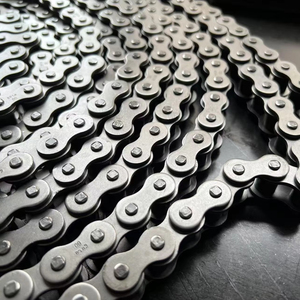
Agadir's expansive agricultural export sector depends on modern grading, packaging, and sorting plants. During peak export harvesting seasons for citrus and early vegetables bound for Europe, mechanical failure of a conveyor roller chain or drive motor halts packing operations. Express air transport delivers custom mechanical replacement chains within 72 hours, protecting high-value perishable harvests.
Handling shipments categorized under IATA Class 9 (Lithium battery energy storage systems) and industrial specialty chemicals demands strict regulatory oversight. From proper UN-specification packaging and Shipper's Declaration for Dangerous Goods (DGD) documentation to carrier ramp acceptance at origin, compliance ensures zero customs impounding upon arrival in Morocco.
The Kingdom's logistics architecture is undergoing profound transformations shaped by geopolitical nearshoring, multi-modal infrastructure megaprojects, and digitizing regulatory frameworks:
1. Nearshoring and the "China+1" European Supply Chain Reorientation: European directives targeting supply chain resilience and ESG accountability (such as the EU Carbon Border Adjustment Mechanism) have spurred multinational corporations to relocate final manufacturing steps to northern Morocco. Rather than shipping finished consumer or technological goods across extensive maritime corridors to European consumers, raw components and sub-assemblies are air-freighted into Morocco from Asian manufacturing centers, quickly assembled within domestic special economic zones, and shuttled across the Strait of Gibraltar within 48 hours.
2. Intermodal Integration with High-Speed Rail (Al Boraq Freight Feeder Corridors): Morocco's expansion of the Al Boraq high-speed rail corridor linking Tangier, Kenitra, Rabat, and Casablanca is opening up unprecedented possibilities for integrated cargo transit. Express shipments arriving at Casablanca Mohammed V can be transhipped seamlessly into bonded rapid-rail cargo shuttles, ensuring same-day regional transfer to factories in the Tangier Mediterranean basin without relying on conventional highway linehaul.
3. Comprehensive Digitization via the PortNet Single Window: Morocco has significantly reduced customs friction by integrating maritime, air, and dry-port declarations through the unified PortNet national foreign trade platform. Digital pre-arrival filing allows our customs teams to clear air cargo documentation well before wheels touch down on CMN tarmac, cutting traditional terminal dwell times from multiple days to just hours.
Detailed regulatory answers addressing customs clearance protocols, currency restrictions, dangerous goods compliance, and transit mechanics.
Importing air freight into Morocco requires electronic pre-registration of goods through the BADR (Base Automatisée des Douanes en Réseau) customs interface, managed under the Administration des Douanes et Impôts Indirects (ADII). Essential documentation includes an authentic Master Air Waybill (MAWB), House Air Waybill (HAWB), commercial invoice detailing 10-digit Moroccan HS codes, packing lists, and, where applicable, an EUR.1 movement certificate or Certificate of Origin. Cargo entering Free Trade Zones (such as Tanger Med or Midparc) must also carry the corresponding temporary admission license (Admission Temporaire pour Perfectionnement Actif - ATPA) to legally waive or defer customs import duties and VAT.
Administered by the Ministry of Industry and Trade alongside the Institut Marocain de Normalisation (IMANOR), Morocco enforces mandatory Verification of Conformity (VoC) schemes to verify incoming products against domestic NM (Normes Marocaines) standards. Regulated items—including electrical appliances, industrial cables, building hardware, and automotive replacement components—require a Certificate of Conformity (CoC) issued by an authorized inspection body (such as Bureau Veritas, TÜV Rheinland, or Applus) at port of origin prior to dispatch. Air shipments arriving without a compliant CoC are subject to mandatory destination laboratory analysis, triggering severe warehouse demurrage at CMN, or outright rejection and return shipping at the importer's cost.
Air freight billing is governed by the standard IATA volumetric cargo ratio of 1:6000 (1 cubic meter equals approximately 167 kilograms of chargeable weight). To calculate: multiply Length (cm) × Width (cm) × Height (cm), divide by 6,000, and compare the result with the gross scale weight (kg). The air carrier charges for whichever figure is greater. For bulky, low-density consignments—such as disassembled server enclosures or lightweight automotive ducting—employing knocked-down (KD) flat-pack packaging significantly shrinks cubic volume, directly reducing chargeable air freight expenses.
Morocco strictly governs foreign currency transfers under the statutory oversight of the Office des Changes. Moroccan Dirham (MAD) is not freely convertible on open global markets. Commercial payments destined for overseas forwarders or suppliers require bank intermediation backed by a validated customs declaration (DUM - Déclaration Unique de Marchandise) stamped by ADII, along with an authenticated commercial invoice and bill of lading/air waybill. Working with a forwarder that provides dual-currency local invoicing or structured DDP terms simplifies settlements while ensuring total regulatory compliance.
Yes, provided consignments strictly adhere to the latest edition of the IATA Dangerous Goods Regulations (DGR). For stand-alone lithium-ion batteries (UN 3480, Section IA/IB) and lithium batteries contained within or packed with equipment (UN 3481), packages must feature certified UN-specification packaging, standard Class 9 hazard labels, Cargo Aircraft Only (CAO) markers, and an authentic UN38.3 test summary report. Our specialized hazardous operations team handles the Shipper’s Declaration for Dangerous Goods (DGD) and secures carrier hazardous linehaul booking, preventing tarmac turn-downs during airport check-in.
Under routine procedures with complete pre-lodged documentation through BADR and PortNet, express air cargo clearance at CMN takes between 4 and 12 hours following physical flight offloading. Standard commercial consolidation cargo typically clears within 24 to 48 hours. Primary drivers of airport clearance delays include discrepancies in declared invoice values, missing NM Certificates of Conformity, incomplete importer fiscal IDs (ICE - Identifiant Commun de l'Entreprise), or unverified physical cargo inspections initiated by customs authorities.
Under Delivered Duty Paid (DDP), the international supplier or forwarder handles full transit risk and costs, including Moroccan customs entry formalities, terminal dues, import duty tariffs, and VAT. However, for buyers located inside qualified zones (such as Tangier Free Zone or Midparc), import duty and domestic VAT are typically zero-rated under preferential regime legislation. In these circumstances, DAP (Delivered at Place) or structured Free-Zone DDP is preferred, ensuring import duties are not erroneously assessed on tax-exempt intermediate industrial goods.
Sensitive payloads—including pharmaceutical vaccines, active chemicals, and precision aerospace adhesives—are transported using active temperature-controlled Unit Load Devices (ULDs, such as Envirotainer systems) or passive vacuum-insulated packaging paired with dry ice or phase-change materials (PCMs). Shipments feature real-time IoT cellular and satellite dataloggers transmitting GPS coordinates, ambient temperature, humidity levels, and shock alerts directly to our cloud visibility platform. This delivers continuous oversight from origin apron handling to final consignee unloading.
Supply chain disruptions often require flexible routing between different transit modes. A forwarder operating integrated Sea, Air, Road, and Rail solutions can dynamically reallocate shipments if flight schedules tighten or maritime chokepoints develop. For example, moving baseline manufacturing volume via ocean freight to Tanger Med while rapidly funneling critical buffer components via express air into Casablanca safeguards operational stability, minimizes working capital strain, and balances logistical expenses.
Connect with our dedicated North African air freight desk. Access customized route designs, comprehensive BADR customs pre-clearance support, and immediate scheduled capacity from Chinese export gateways directly into Casablanca and Moroccan free zones.
Get Catalog