Engineering Whitepaper • Malaysia Market Focus
Technical Specifications, Payload Distribution & Port Marine Standards
In Southeast Asia's maritime transport corridor, flat rack shipping containers represent an indispensable structural solution for moving cargo that cannot fit into standard ISO dry vans due to extreme dimensions or heavy weight concentrations. Within the Malaysian maritime ecosystem—anchored by Port Klang (Northport and Westport), the Port of Tanjung Pelepas (PTP), Penang Port, and Bintulu Port—procuring the correct flat rack unit demands meticulous attention to structural engineering parameters, dynamic load factors, steel metallurgy, and maritime certification protocols.
1. Structural Anatomy: Fixed-End vs. Collapsible End-Wall Flat Racks
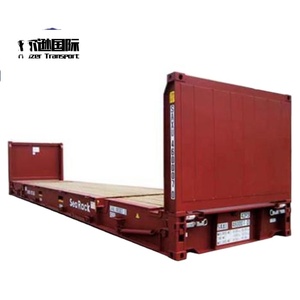
Flat rack containers manufactured for heavy industrial applications are classified into two primary structural categories: fixed-end wall units and collapsible flat racks. Fixed-end units are engineered with rigid steel corner posts and headers, delivering exceptional torsional stability and transverse rigidity, making them suited for permanent mining machinery, locomotive chassis, and offshore oilfield modules. Conversely, collapsible flat racks feature flush-folding end walls equipped with heavy-duty counterbalancing spring mechanisms. When folded, four or five collapsed units can be interlocked via ISO twistlocks into an 8ft 6in module, reducing empty repositioning costs across ocean liners traversing between China, Port Klang, and European destinations.
Critical Engineering Note on Concentrated Loading (Payload Spreading)
A 40ft flat rack container is typically rated for a maximum payload of up to 45,000 kg. However, structural engineers must recognize that this rating assumes a uniformly distributed load (UDL). Concentrated industrial loads—such as an 38-tonne industrial gas turbine or rolling mill housing measuring only 4 meters in length—will exceed the allowable bending moment of the primary longitudinal side rails if transferred directly onto the deck. Heavy project shipments in Malaysia require certified steel spreader beams or laminated hardwood dunnage (Apitong/Keruing) to safely transfer shear forces directly to the main corner castings and transverse cross-members.
| Container Type & Model |
External Dimensions (L × W × H) |
Tare Weight |
Max Gross Mass (MGM) |
Lashing Point Capacities |
Applicable Standards |
| 20ft Collapsible Flat Rack |
6,058 × 2,438 × 2,591 mm |
2,750 kg |
34,000 kg |
5,000 kg per lashing ring (floor) |
ISO 1496-5, CSC, TIR |
| 40ft High-Cube Flat Rack |
12,192 × 2,438 × 2,896 mm |
5,300 kg |
45,000 – 50,000 kg |
5,000 – 8,000 kg per ring / 2,000 kg side rails |
ISO 1496-5, UIC, Lloyd's Register |
| Offshore DNV Flat Rack |
Custom (10ft / 20ft / 40ft) |
4,100 kg (20ft heavy) |
25,000 – 35,000 kg |
Internal D-rings rated ≥ 10,000 kg |
DNV 2.7-1, EN 12079, IMO MSC/Circ.860 |
| 40ft Platform (Flatbed) |
12,192 × 2,438 × 605 mm |
4,200 kg |
45,000 kg |
Multiple flush lashing winches |
ISO 1496-5 Series 1 Freight |
2. Metallurgy, Deck Floor Architecture, and Marine Anti-Corrosion
Equipment deployed in tropical, hyper-saline equatorial conditions across the Straits of Malacca must withstand severe corrosive degradation. Leading manufacturers employ Corten-A steel (SPA-H weathering steel) for side girders, cross sills, and corner pillars. SPA-H steel develops a protective oxide patina under cyclic atmospheric exposure, arresting deep pitting corrosion caused by maritime salt spray.
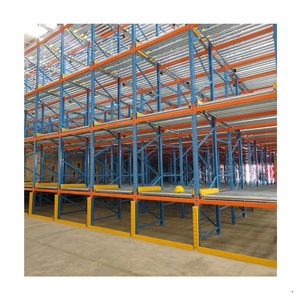
Flooring selections require careful specification: while industrial warehouse gravity racks leverage galvanized roller tracks, intermodal shipping flat racks utilize 45mm to 50mm Apitong/Keruing dense tropical hardwood planks or non-skid checkered steel plates. Hardwood deck planks are treated with Australian Quarantine Inspection Service (AQIS) immunisation and preservative compounds to prevent fungal rot and pest transmission across cross-border quarantine check points.
Centennial Logistics Integrity
Over 110 Years of Freight Forwarding Leadership & Engineering Precision
Founded in 1913 by Ernest Sommer and driven across four generations of transport specialization, WTA Group combines historic marine forwarding expertise with next-generation digital logistics platforms. For buyers and procurement managers in Malaysia and international trading corridors, our operations deliver structural certainty, transparent pricing, and direct carrier contracts that minimize demurrage, detention, and hidden surcharges.
Licensed Customs Brokerage
Accredited with AEO (Authorised Economic Operator) and C-TPAT security standards, ensuring expedited customs clearance across Port Klang, the USA, UK, Europe, China, and the Middle East without unexpected port storage delays.
Proprietary Visibility Platform
Every industrial customer receives free enterprise access to our cloud-based visibility platform, featuring predictive delay notifications, live voyage telemetry, cargo document management, and certified ESG carbon emissions reporting.
Transparent Marine Economics
We eliminate speculative ocean rate markups by itemizing BAF, CAF, THC, and special equipment surcharges upfront, ensuring heavy cargo shipments between Asia and global destinations stay strictly on budget.
1913
Year Founded by Ernest Sommer
6,000+
Active Global Enterprise Clients
122
Countries Directly Serviced
679
Vetted Maritime Trade Lanes
Plan Your Next Project Cargo or Container Procurement With Experts
Whether you require custom manufactured heavy-duty ISO flat racks, DNV offshore modules, or complete sea freight project management across Malaysian ports, our engineering and forwarding specialists provide comprehensive route analysis, lashing certificates, and transparent shipping quotes.