
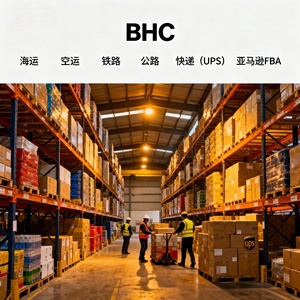
Precision Logistics Catalog
Certified Hazardous Materials Solutions for Austrian Importers
Fully compliant DDP, FCL, LCL, air express, and intermodal transport channels engineered specifically for dangerous goods categories classes 3, 4, 5, 8, and 9.

110+
Years of Forwarding Heritage (Est. 1913)
6,000+
Global Shippers Supported Worldwide
100%
ADR, IATA-DGR & IMDG Compliance Rate
679
Active Multimodal Global Trade Lanes
Industrial Application & Integration
Navigating Austria’s Industrial Hazmat Ecosystem: Inbound Logistics Architectures
Landlocked yet centrally positioned as Central Europe’s prime logistical hub, Austria enforces stringent environmental and dangerous goods transit protocols governed by both European Union directives and Austrian national laws (GGBG).
Upper Austria & Linz Chemical Triangle
Upper Austria represents the nation’s heavy industrial manufacturing heart. Procurement managers regularly require seamless Class 3 flammable liquids, Class 4.1/4.2 flammable solids, and Class 8 corrosive base compounds. We manage direct maritime container offloading at northern ports (Rotterdam, Hamburg, or Bremerhaven) with scheduled transit through dedicated chemical rail freight straight into Linz industrial sidings.
Automotive & Battery Cluster (Styria / Graz)
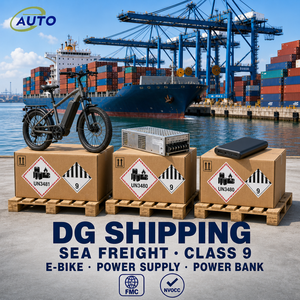
The automotive innovation nexus surrounding Graz is experiencing unprecedented demand for Class 9 Lithium-ion batteries (UN 3480 / UN 3481) and automotive assembly resins. Transporting high-capacity cell modules demands UN-certified protective packaging, state-of-charge (SoC) limitation audits under 30%, and specialized temperature-regulated reefer container solutions.
Vienna Life Sciences & High-Tech Corridors
From biotech reagents to specialized electronics coating solvents, Vienna and Lower Austria rely on expedited, high-precision supply lines. Our Class 5.1/5.2 oxidizers and specialty toxic chemical channels utilize dry-ice air-priority packaging routing via Vienna International Airport (VIE), guaranteed by IATA Dangerous Goods certified handlers.
Austrian GGBG & Cross-Alpine Environmental Routing Constraints
Operating dangerous goods transport within the Republic of Austria involves more than standard European Agreement concerning the International Carriage of Dangerous Goods by Road (ADR). The Austrian Federal Act on the Transport of Dangerous Goods (Gefahrgutbeförderungsgesetz - GGBG) enforces specific safety equipment, mandatory driver certification, and strict tunnel classification restrictions (Codes B through E) across critical Alpine passes such as the Tauern (A10), Brenner (A13), and Arlberg routes.
Furthermore, the Immissionsschutzgesetz-Luft (IG-L) night driving bans on heavy vehicles across Tyrol necessitate calculated intermodal switching. WTA integrates the Rollende Landstraße (ROLA) accompanied combined transport rail systems across Austrian transit corridors, effectively mitigating road limitations, reducing demurrage exposure, and ensuring full compliance with Austrian carbon footprint reporting directives.
Strategic Market Trajectory
Emerging Trends Reshaping Austrian Hazmat Sourcing & Procurement
Modern supply chains must navigate shifting EU climate policies, rising lithium chemistry density, and near-shore distribution modeling.
Shift Towards Southern Port Gateways
Historically, Austrian manufacturers sourced raw chemical compounds via Northern European ports. Today, significant volume has transitioned to Adriatic corridors such as Koper (Slovenia) and Trieste (Italy). This reduces ocean transit times by up to 7–9 days from Asian ports. Our direct dangerous goods feeder links ensure smooth Adriatic customs clearance, transferring hazardous containers directly onto Austrian rail corridors without border bottlenecks.
Automated REACH & Poison Centre Notification (PCN)
Importing chemicals into Austria requires absolute harmonisation with the European Chemicals Agency (ECHA). Consignments containing hazardous substances must feature unique formula identifiers (UFI) and valid Poison Centre Notifications before customs entry. Our logistics execution integrates pre-clearance validation that eliminates border holds caused by missing Austrian Umweltbundesamt compliance documentation.
Circular Economy & Reverse Battery Logistics
Under the updated EU Battery Regulation (EU 2023/1542), Austrian OEMs and industrial recyclers face strict collection and reverse logistics targets for end-of-life cells. Damaged, defective, or recall (DDR) lithium batteries demand UN-approved explosion-proof thermal packaging and specialised ADR Special Provision (SP 376) shipping solutions, which WTA manages through our certified dangerous goods hubs.
The Manufacturer & Forwarder Advantage
Engineering Complete Reliability for Global Supply Chains Since 1913
Built on over a century of proven forwarding performance, our international operation provides end-to-end hazmat handling with the security of a fourth-generation family-owned enterprise.
Licensed In-House Customs Brokers
With international AEO (Authorised Economic Operator) and C-TPAT credentials, our dedicated brokerage teams expedite dangerous goods clearance into Austria, the UK, the USA, and China without intermediaries, ensuring total tariff, excise, and environmental compliance.
Origin Offices in Core Sourcing Hubs
Operating direct group offices in mainland China, the United States, the UK, and the UAE, we inspect, repack, and label your hazardous materials at the manufacturing source, resolving discrepancy issues before containers ever leave the port of origin.
Proprietary Real-Time Visibility Platform
Austrian clients receive 24/7 complimentary access to our live cargo intelligence platform. Monitor telemetry, real-time container GPS coordinates, milestone alerts, dwell-time estimations, and instantaneous ESG carbon emission accounting on desktop and mobile.
Procurement Intelligence
Frequently Asked Questions by Austrian Hazmat Buyers
Expert guidance on classification, packaging validation, cross-Alpine road regulations, and import customs protocols.
What specific documentation is mandatory for importing Class 3 or Class 8 chemicals into Austria?
To import hazardous chemicals into Austria, consignees must provide a comprehensive Safety Data Sheet (SDS) formulated in German and compliant with EU REACH Regulation (EC) No 1907/2006. In addition, consignments must include the Dangerous Goods Declaration (IMO DGD for sea, Shipper’s Declaration for air, or CMR with ADR declarations for road), commercial invoice with exact 8-digit HS classification, packing list showing certified UN specification markings, and verification of notification to the ECHA European Poison Centre Notification (PCN) platform with designated Unique Formula Identifiers (UFI).
How are dangerous goods regulated when crossing Austrian Alpine tunnels?
Under Austrian GGBG and ADR chapter 1.9, road tunnels across Austria are assigned restriction codes from A (no restriction) to E (most restrictive). Critical arteries such as the Arlberg Tunnel (S16), Katschberg Tunnel (A10), and Gleinalm Tunnel (A9) enforce strict category C, D, or E prohibitions depending on quantity and danger class. Vehicles carrying hazardous loads exceeding ADR Chapter 3.4 or 3.5 threshold exemptions must either divert to alternative regional detours, switch to unaccompanied intermodal rail services (RoLa / kombiverkehr), or travel under specialized convoy escorts at scheduled night windows.
Can lithium battery shipments (Class 9) be delivered directly DDP to Austrian facilities?
Yes. WTA operates complete Delivered Duty Paid (DDP) multimodal services for both stand-alone lithium-ion cells (UN 3480) and batteries contained within or packed with equipment (UN 3481). We oversee origin factory pickup, verification of UN 38.3 testing summaries, application of UN-certified outer packaging (Packaging Instruction 965–967), carrier dangerous goods acceptance, EU customs import clearance, and final-mile ADR-certified transport directly into Austrian production hubs.
What is the most cost-effective routing for bulk chemical cargo from Asia into Austria?
For high-volume chemicals, ocean shipping via Mediterranean/Adriatic ports (specifically Koper or Trieste) coupled with direct intermodal rail connection offers the lowest landed cost and shortest transit time. Compared to discharge at northern European ports (Rotterdam/Hamburg), southern routing cuts maritime transit by approximately 1,800 to 2,000 nautical miles, reduces container transit time by up to 8 days, and eliminates long-haul trans-Alpine trucking surcharges.
How does WTA manage demurrage and container detention risks for dangerous goods?
Dangerous goods containers typically receive minimal free time at transshipment ports due to terminal safety limits and environmental regulations. Our operations mitigate this risk by executing pre-arrival import customs documentation at the European customs gateway, pre-booking dedicated dangerous goods rail and haulage slots 5 days before vessel arrival, and actively monitoring carrier milestone feeds through the WTA visibility platform to ensure direct gate-out within free dwell time allowances.
Safeguard Your Austrian Hazmat Supply Chain Today
Whether you require full container load (FCL) ADR sea transit, rapid IATA-compliant air cargo, or comprehensive European door-to-door customs brokerage, our senior logistics engineers are available 24/7 to design an optimized route.