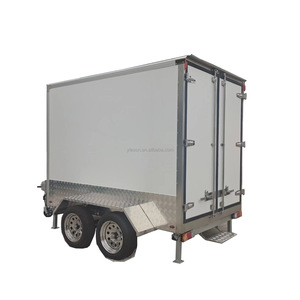

Explore our certified solutions engineered for rigorous industrial manufacturing, specialized cold chain infrastructure, heavy project freight, and complex turnkey transport requirements.



The state of Israel represents one of the most sophisticated, high-density infrastructure landscapes in the Eastern Mediterranean basin. Characterized by demanding seismic resilience mandates, strict highway axle-load limits, and intense coastal development, heavy lift shipping to and within Israel demands engineering rigour far exceeding standard containerized forwarding. Heavy lift shipping manufacturers and specialized transport contractors are tasked with moving out-of-gauge (OOG) machinery—such as gas turbine generators for combined-cycle power facilities, modular reverse-osmosis desalination skids along the Mediterranean shoreline, pre-assembled structural steel frames for high-tech semiconductor fabs in Kiryat Gat, and oversized tunnel-boring machines (TBMs) for Tel Aviv’s expanding mass transit network.
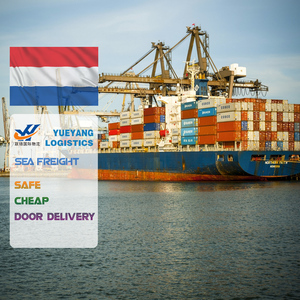
Discharging breakbulk and heavy OOG cargo in Israel hinges primarily on the port terminals of Haifa (Bayport Terminal, Haifa Port Authority) and Ashdod (including Hadarom Port). Both ports feature heavy-duty berths equipped with mobile harbor cranes and floating shearleg cranes capable of tandem lifts exceeding 400 metric tons. However, successful execution depends upon dynamic roll-on/roll-off (RoRo) ballast engineering, benthic seabed bathymetry verifications, and structural quay-loading surveys performed in compliance with the Ministry of Transport and Road Safety (MOT) and Israel Ports Company (IPC) regulations.
Procuring heavy lift logistics and modular infrastructure requires a nuanced understanding of domestic regulatory frameworks. Every heavy-haul move transitioning from maritime discharge to Israeli national trunk routes (such as Highway 2, Highway 4, and Highway 6) demands detailed bridge-stress calculations, electrical utility wire height approvals from the Israel Electric Corporation (IEC), and synchronized escorts with the Traffic Department of the Israel Police. In this hyper-regulated ecosystem, equipment suppliers and logistics manufacturers must provide pre-fabrication modularization designs that respect local transport envelopes, minimizing road closures while guaranteeing absolute structural integrity.
How project cargo, heavy lift equipment manufacturers, and multimodal engineering networks interface with major domestic economic sectors.
Turnkey maritime transport and shore handling of subsea manifolds, heat recovery steam generators (HRSGs), and 350-tonne transformer units destined for natural gas production hubs connected to the Leviathan and Karish offshore gas reservoirs, as well as inland thermal power plants in Hadera, Gezer, and Mishor Rotem.
Delivering high-capacity pressure vessels, titanium heat exchangers, and modular membrane racks for coastal desalination mega-facilities including Sorek II, Ashkelon, and Hadera. These projects require barge lightering, precise SPMT (Self-Propelled Modular Transporter) maneuvers, and synchronized beachfront beach-landing craft operations.
High-precision transport of ultra-sensitive photolithography assemblies and modular steel cleanroom infrastructure into major wafer manufacturing clusters. Operations require air-ride multi-axle trailers, constant climate logging, zero-vibration shock isolation systems, and dedicated hazardous materials (DG) protocol adherence.
Comprehensive port-to-shaft delivery of Tunnel Boring Machines (TBMs), precast concrete tunnel segments, rolling stock coaches, and traction substations for the Tel Aviv Metro and Light Rail (Red, Green, and Purple lines), requiring night-window bridge crossings and urban corridor route clearances.
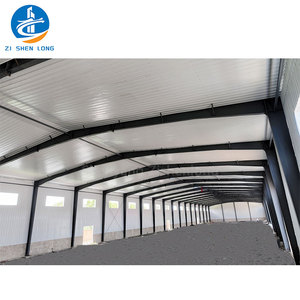
Deployment of modular multi-temperature steel warehouses and prefabricated refrigerated trailers supporting pharmaceutical storage at Ben Gurion Airport logistics centers, as well as high-yield agricultural consolidation centers in the Arava and Jordan Valley export corridors.
Integrated transport of fractionation towers, high-pressure catalytic reactors, and corrosive-grade tank farms across Haifa Bay's petrochemical industrial zone, compliant with Israeli Ministry of Environmental Protection dangerous goods mandates and AEO security protocols.
The Israeli heavy-lift ecosystem is undergoing an unprecedented modernization cycle, driven by capital investments in infrastructure, decarbonization commitments, and regional logistics integration:
| Strategic Trend | Underlying Driver | Technical & Operational Impact | Forward Outlook |
|---|---|---|---|
| Deepwater Port Automation | Commissioning of Haifa Bayport and Ashdod Hadarom Port | Expanded draft (up to 17.3m) allows ultra-large multi-purpose heavy lift vessels (MPVs) to berth directly without offshore transshipment. | Reduces port congestion demurrage by 30-40% for Mediterranean project lines. |
| Fleet Transition to Electric SPMTs | Port emissions regulations & urban night-haul decibel restrictions | Adoption of zero-emission, battery-driven hydraulic modular trailers for short-radius industrial transfers through urban Tel Aviv and Haifa zones. | Compliance with municipal ESG criteria and reduced risk of engine emissions permits. |
| Smart Road Clearance Simulations | Dense overhead fiber networks and tight highway interchanges | 3D LiDAR roadway scanning combined with digital twin swept-path analysis prior to transporting OOG loads exceeding 5.2m width or 5.5m height. | Pre-empts physical route obstacles, eliminating unforeseen delays and utility coordination penalties. |
| Bonded Near-Port Hub Consolidation | High port storage surcharges at Israeli marine terminals | Utilization of off-dock bonded free-trade yards for sorting, structural assembly, and staged delivery to avoid heavy pier demurrage. | Optimizes delivery timing for just-in-time construction timelines at job sites. |
Furthermore, Israel's commitment to integrating renewable energy sources—notably solar photovoltaic clusters in the Negev Desert, wind generation in the Golan Heights, and battery energy storage systems (BESS)—is sparking consistent demand for specialized flat-rack, open-top, and breakbulk maritime charters connecting Asian production centers with Mediterranean ports.
Direct technical answers addressing the critical legal, customs, and operational queries raised by international procurement managers and project contractors.
Haifa Port (including the private Bayport Terminal operated by SIPG) and Ashdod Port (including Hadarom Port operated by TIL) are the primary deepwater facilities. Haifa offers exceptional heavy rail linkages and dedicated breakbulk handling terminals, making it ideal for Northern and Central Israel industrial corridors. Ashdod is strategically positioned for projects in the Tel Aviv metropolitan region, Southern manufacturing bases, and Negev energy projects. The optimal choice depends on highway axle-load approvals, crane capacity requirements, and final inland delivery geography.
Over-dimensional and over-weight transports require Special Transport Permits issued by the Ministry of Transport and Road Safety (MOT), certified axle-load calculations from registered civil engineers, safety path clearances from the National Transport Infrastructure Company (Netivei Israel), and escorts coordinated with the Israel Police Traffic Department. Overhead clearance approvals from the Israel Electric Corporation (IEC) and telecommunication providers are also mandatory if the vertical load envelope exceeds designated height thresholds.
Israel Customs Directorate mandates advance electronic manifests submitted via the "Sha'ar Olami" (World Gateway) trade platform. Licensed customs brokerage is indispensable for classifying complex industrial components under proper HS chapters, establishing temporary importation bonds (Carnet ATA or bank guarantees) for construction machinery, and leveraging bilateral trade agreements (e.g., US-Israel FTA, EU-Israel Association Agreement) to mitigate unnecessary import tariffs.
Breakbulk and container demurrage costs escalate rapidly at Israeli ports due to limited pier staging capacity. Mitigate this risk by negotiating extended free time (minimum 14–21 days) with vessel operators, pre-clearing cargo through customs prior to vessel arrival, and orchestrating direct discharge onto waiting multi-axle trailers or transfer immediately to nearby bonded off-dock warehouses for intermediate storage.
Shipments must conform strictly to the IMO/ILO/UNECE Code of Practice for Packing of Cargo Transport Units (CTU Code) and DNV-ST-N001 marine warranty surveying guidelines. Independent Marine Warranty Surveyors (MWS) must inspect and certify lashing, dunnage, friction factor calculations, and sea-fastening calculations before breakbulk vessels are authorized to depart origin ports or begin discharging at Israeli berths.
Yes. In accordance with IMDG code regulations and the Israeli Dangerous Goods Law, specialized forwarders handle class 1 through 9 hazardous cargo. Moving hazardous plant components (such as pre-charged lithium energy storage arrays, chemical reagents, or industrial gases) requires toxic substance permits ("Heter Relim") issued by the Ministry of Environmental Protection and ADR-certified transport units for road haulage.