Engineered containerization, secure tie-down components, and turn-key customs-cleared logistics configurations engineered for export to the Republic of Kazakhstan.

Moving project cargo, heavy oilfield modules, and complex industrial plant equipment into landlocked Kazakhstan demands specialized engineering that overcomes geographic, infrastructural, and extreme meteorological hurdles.
Kazakhstan occupies the strategic epicenter of the Eurasian landmass, acting as the primary pivot point of the Silk Road Economic Belt and the critical hub of the Trans-Caspian International Transport Route (TITR, or the Middle Corridor). Transporting heavy machinery—ranging from mining crushers destined for Karaganda to modular petrochemical processing skids shipped to the Caspian Basin—requires acute precision across border transshipments, specialized rail flatcars, and strict compliance with local Eurasian Economic Union (EAEU) mandates.
| Transport Corridor | Primary Entry Hubs | Intermodal Mode | Typical Lead Time | Ideal Heavy Equipment Cargo Profile |
|---|---|---|---|---|
| Khorgos Gateway Route | Khorgos Eastern Gate, Altynkol | Rail (Standard 1435 mm to Broad 1520 mm) / Heavy Trucking | 12–16 Days Door-to-Site | Heavy earthmoving machinery, wind turbine components, containerized assembly lines. |
| Middle Corridor (TITR) | Aktau Seaport, Kuryk Ferry Terminal | Multimodal Rail-Barge via Caspian Sea | 22–28 Days Door-to-Site | Petrochemical skids, pressure vessels, offshore extraction components from European suppliers. |
| Northern Rail Corridor | Dostyk / Saryagash Junction | Direct Block Train (Breakbulk Flatcars) | 14–18 Days Door-to-Site | Mining dump-truck chassis, flotation cells, structural metallurgical steelwork. |
| Overland Road (TIR Carnet) | Bakhty, Kolzhat, Maykapchagay | Specialized Hydraulic Low-Bed Trailers | 10–14 Days Door-to-Site | Out-of-Gauge (OOG) machinery, high-value tooling, urgent spare parts assemblies. |
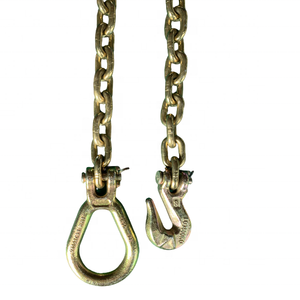
A primary operational bottleneck in Central Asian rail logistics is the break-of-gauge transshipment at the Sino-Kazakh border. While Chinese and European standard tracks measure 1,435 mm, the Kazakhstan Temir Zholy (KTZ) rail network operates on the 1,520 mm broad gauge standard. At terminals like Dostyk and Khorgos Gateway, gantry cranes perform complex synchronized lifts of oversized crates and containerized freight. To prevent internal dynamic displacement across thousands of kilometers of rough steppe track, freight requires verified transport chains, such as AS Standard G70 Transport Chains equipped with clevis grab hooks, calibrated dunnage, and precision blocking and bracing.
From the Caspian offshore fields to the metallic extraction facilities in East Kazakhstan, logistics plans must reflect distinct localized environments.
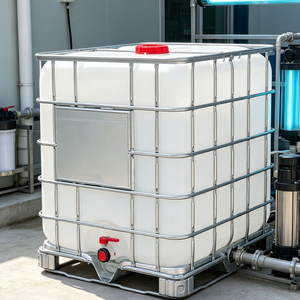
The energy megaprojects in the Caspian littoral—principally Tengiz, Kashagan, and Karachaganak—require an unbroken pipeline of high-pressure liquid containment, wellhead equipment, and drilling chemicals. Utilizing certified 500-Liter to 1,000-Liter Industrial IBC Bulk Tanks allows petroleum refineries and chemical injection sites to receive specialized reagents without degradation under extreme seasonal temperature swings ranging from -40°C in winter to +45°C in summer.
Kazakhstan ranks among the top global producers of uranium, copper, ferroalloys, and zinc. The mining shafts and open-pit complexes near Karaganda, Zhezkazgan, and Ust-Kamenogorsk continually require industrial ball mills, high-tonnage dump-truck assemblies, and automated conveyor systems. These out-of-gauge shipments demand multi-axle modular transporters (SPMTs), precise route surveys, bridge load verifications, and regional road permits issued by KazAvtoZhol.
The urban conurbations of Almaty, Astana, and Shymkent are expanding regional cold chain distribution networks to export meat and dairy across Central Asia and China. Implementing automated storage and retrieval systems (ASRS and automated cold-chain logistics centers) allows local logistics operators to maintain precise temperature records, meeting strict Sanitary and Phytosanitary (SPS) compliance standards across borders.
Navigating trade documentation and technical conformity is critical to preventing customs impoundment and port demurrage when importing machinery into Kazakhstan.
Machinery imported into Kazakhstan must align with Eurasian Economic Union Technical Regulations. Crucial directives include TR CU 010/2011 (On safety of machinery and equipment), TR CU 012/2011 (Equipment for explosive atmospheres, critical for oilfields), and TR CU 032/2013 (Pressure vessel safety). WTA manages technical passports, justification of safety dossiers, and official EAC declarations to ensure unhindered entry through customs control posts.
The State Revenue Committee of the Republic of Kazakhstan has overhauled border control through the ASTANA-1 Information System. This platform enables full pre-arrival electronic customs declarations, algorithmic cargo risk assessment, and rapid customs clearance. Pre-clearing bonded shipments significantly slashes dwell times at inland container depots in Almaty and Nur-Sultan, mitigating unexpected demurrage and storage penalties.
Winter operations across the Kazakh steppe expose cargo to ambient temperatures dropping below -40°C. Heavy industrial machinery containing delicate hydraulic seals, high-tensile cast metals, and sensitive PLCs requires strict climate mitigation: cold-resilient lashing gear, winter-grade synthetic lubricants, and desiccant-insulated industrial packing designed to withstand severe freeze-thaw condensation cycles.
Delivering mission-critical equipment into complex geographic zones demands more than standard brokerage—it requires a century of proven logistics heritage.
Established in 1913 by Ernest Sommer, WTA Group has navigated global transport disruptions across four generations. With international offices across the UK, USA, China, and the UAE, our teams bring deep institutional knowledge to complex overland, rail, and sea shipments across Europe and Central Asia.
Every client shipment is monitored via WTA’s proprietary visibility platform. From the moment your heavy equipment is loaded onto flatcars until site discharge in Kazakhstan, you receive real-time positioning, multimodal milestone tracking, and proactive delay warnings powered by automated global logistics data feeds.
WTA holds elite international trade accreditations, including Authorised Economic Operator (AEO), C-TPAT, IATA, and BIFA. These credentials ensure fast-track processing through international borders, transparent all-in pricing without hidden surcharges, and comprehensive cargo insurance tailored to high-value industrial machinery.
Direct answers to the most common technical, customs, and operational questions encountered by procurement managers and contractors in Central Asia.
Consult with WTA’s specialized project cargo logistics team today. We provide lane engineering, EAC regulatory guidance, and accurate all-in pricing tailored to your machinery delivery timeline.