
Executing beverage alcohol logistics into Uzbekistan requires specialized container assets, bonded staging, temperature protection, and cross-border rail capabilities. Explore our primary multimodal procurement and transport solutions.

The Republic of Uzbekistan represents the most populous consumer market in Central Asia, boasting over 36 million citizens and experiencing structural economic modernization. Following decisive trade liberalization, tariff schedule adjustments, and the phased privatization of the domestic beverage alcohol monopoly, international manufacturers and distributors face an unprecedented commercial window. However, alcohol logistics into a double-landlocked nation requires institutional rigor. Transporting bottled wines, aged spirits, bulk ethanol, and specialty brews demands uncompromising compliance with Uzbekistan's evolving regulatory landscape, harsh continental weather patterns, and complex cross-border rail junctions.
As international alcohol suppliers navigate this market, success hinges upon bridging manufacturing origins in Europe, the Americas, and Asia with Uzbekistan's major urban consumption epicenters—predominantly Tashkent, Samarkand, Bukhara, and the Fergana Valley. Managing these fragile, excise-controlled, and temperature-sensitive SKUs requires end-to-end oversight that eliminates leakage, thermal degradation, customs clearance holdups, and excise compliance penalties.
Under Cabinet of Ministers resolutions and national tax modernization decrees, all alcoholic beverages imported into Uzbekistan must integrate the "Asl Belgisi" mandatory digital marking system. Importers must execute GS1 DataMatrix code validation prior to customs release into free circulation (IM-40 regime). Transport logistics providers must synchronize shipping manifests with digital tax tokens to prevent detention at Tashkent freight terminals.
Uzbekistan’s geographic isolation requires maritime cargo to transfer onto overland rail or road networks thousands of kilometers before reaching destination customs terminals. For European and Asian alcohol suppliers, routing options fundamentally dictate both shelf-life viability and total landed cost:
1. The Trans-Caspian International Transport Route (Middle Corridor): Cargo departing European ports transits through the Black Sea or overland through Turkey, across Georgia and Azerbaijan, transshipping via the Caspian Sea to the Port of Aktau or Port of Kuryk in Kazakhstan, before rail haulage directly to Chukursay or Sergeli logistics terminals in Tashkent. This corridor bypasses heavily sanctioned northern territories while reducing transit times compared to pure maritime-rail alternatives.
2. China-Kyrgyzstan-Uzbekistan / Eurasian Rail Arteries: Sourcing packaging materials, bulk spirits, or Asian alcoholic beverages utilizes block-train connections traversing the Alashankou/Dostyk or Khorgos rail gateways. Utilizing dedicated 40-foot high-cube reefer containers powered by clip-on diesel generator sets (gensets) safeguards vintage wines and craft beers from extreme temperature swings across the Gobi and Kazakh steppes.
3. Southern Corridors via Bandar Abbas or Chahbahar: Serving maritime freight from Southeast Asia and the Indian Ocean, these Iranian ports connect by rail or overland road across Turkmenistan directly into southern Uzbekistan through the Saryasiya or Termez border gates, offering economical bulk beverage transport.
Understanding the micro-economies of consumption hubs within Uzbekistan allows alcohol manufacturers and logistics coordinators to optimize order sizing, packaging resistance, and fulfillment cadences.
The capital accounts for over 65% of premium alcohol imports. Supply lines demand high-frequency, smaller-batch temperature-controlled reefer deliveries to high-end hospitality venues, international hotel chains, and supermarket retail brands such as Korzinka and Makro.
Exponential growth in Silk Road international tourism has created acute demand for certified European wines, craft spirits, and international beer brands. Logistics planning focuses on scheduled seasonal pre-stocking prior to peak tourist surges in Spring and Autumn.
High population density and distinct consumer preferences require bulk consolidation, palletized glass stabilization, and bonded regional warehousing capable of managing volume spirits and economy wine products with low unit margin vulnerability.
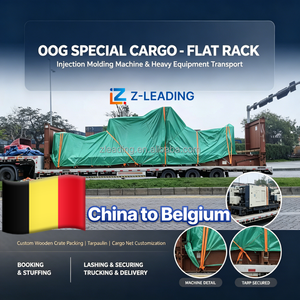
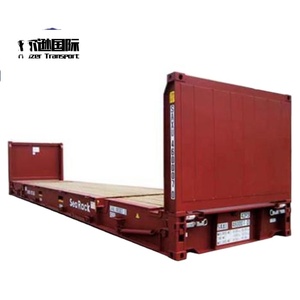
Uzbekistan’s domestic blending and packaging sector imports food-grade neutral spirits, distillation concentrates, aroma compounds, and oak barrels. Deliveries leverage ISO flexitanks and heavy machinery flat-racks entering local industrial production zones.
Key structural transformations are reshaping beverage imports into Uzbekistan. Forwarders and suppliers must align operational protocols with these multi-year market shifts.
In accordance with Uzbekistan's pending accession to the World Trade Organization (WTO), the State Customs Committee has embarked on reducing prohibitive import excise differentials between imported and domestic spirits. This tariff compression significantly enhances the price competitiveness of foreign premium brands, spurring double-digit import volume growth.
The operational maturity of advanced intermodal logistics centers around Tashkent, such as the Chukursay terminal, Ark-Buloq customs complex, and Highway Logistics Center, has radically reduced wagon dwell times. These modern terminals provide specialized bonded storage with thermal control, mitigating past risks of bottle breakage and cork degradation.
Central Asia's extreme continental climate—swinging from -20°C in winter to +45°C during the "Chilla" summer period—has triggered widespread adoption of insulated thermal foil container liners and hybrid reefer telemetry. Importers now mandate constant temperature monitoring logs as condition precedents for bank payments.
Building on over a century of logistics leadership, we combine local customs authority connections in Central Asia with world-class freight security and digital oversight.
Our licensed international customs brokerage specialists maintain premier trade security accreditations. In Uzbekistan, our direct integration with customs systems ensures that complex documentation—including Certificates of Origin (Form ST-1 or Form A), Sanitary-Epidemiological Conclusions, and State Conformity Certificates (Uzstandard)—are pre-cleared before rail wagons arrive at destination borders.
Beverage alcohol quality can be permanently ruined by thermal shock, sunlight exposure, or excessive vibration. We deploy multi-layer radiant barrier thermal container liners, temperature-controlled active reefers with satellite telemetry, and vibration-damped rail cradles to guarantee vintage wines and luxury spirits arrive with organoleptic properties unaltered.
Every customer receives complimentary access to our proprietary cloud visibility portal. Monitor cross-border GPS coordinates across the Caspian, receive automated predictive delay alerts triggered by real-time corridor congestions, track container interior temperatures, and centralize commercial invoices, packing lists, and excise documentation in one unified system.
Direct answers to critical questions faced by procurement managers, overseas distillers, and domestic importers operating within the Uzbek jurisdiction.
Consult with our international beverage freight forwarders, licensed customs brokerage practitioners, and cold-chain engineers. We structure transparent, reliable door-to-door multimodal solutions engineered for compliance and speed.