
The transformation of Algeria's trade policy under Executive Decree n° 21-94 and complementary foreign exchange control notices has shifted the market from traditional merchant forwarding to end-to-end Logistics Network Optimization. Manufacturers, raw material suppliers, and specialized engineering contractors operating across the wilayas of Algiers, Oran, Annaba, and the Hassi Messaoud hydrocarbons basin face distinct structural imperatives: eliminating high demurrage surcharges at primary maritime ports, standardizing customs compliance via the Automated Customs Information System (ALCES), and orchestrating cold-chain and specialized freight into the southern interior.
Core Technical Shift: Logistics Network Optimization (LNO) in Algeria is no longer limited to basic freight forwarding. It combines algorithmic container sequencing at transshipment hubs (Valencia, Algeciras, Tanger Med), deep drayage scheduling from container terminals to dry ports (Ports Secs) such as Rouiba, and precision incoterm management (FCA/CFR/DAP) compliant with Banque d'Algérie circulars. The following verified solutions provide critical equipment, cold parcels, project flat racks, and bonded transit architecture for enterprises competing in the domestic North African territory.
Direct access to multimodal components, project-cargo platforms, cold storage packaging, and customs-bonded transit channels.
Years Logistics Heritage (Since 1913)
Global Industrial Accounts
Monitored Global Trade Lanes
Licensed Customs & Cargo Accreditation
Operational strategies tailored to the economic realities of Algerian regulatory compliance, maritime congestion, and desert transport infrastructure.
The Port of Algiers frequently records high vessel dwell times and congested terminal yards. Network optimization deploys immediate port-to-bonded dry port routing (Rouiba, Regueb, or Bordj Bou Arréridj). Utilizing pre-cleared bonded drayage services prevents demurrage and detention (D&D) penalties, where storage costs can compound daily in foreign currency. Importers maintain factory inventory flow while customs clearance is executed simultaneously off-dock.
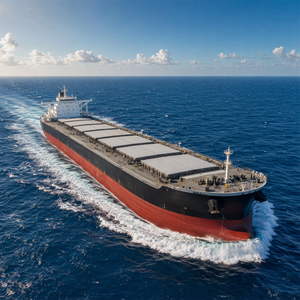
Upstream energy extraction in Sonatrach concessions requires heavy machinery, rig replacements, and hazardous production chemicals. Network optimization integrates ocean transport of heavy flat-racks into Skikda or Djendjen ports, followed by specialized heavy-haul desert trucking equipped with dual-driver shifts, satellite geofencing, and heat-protective tarping systems capable of withstanding 50°C summer conditions across Route Nationale 3.
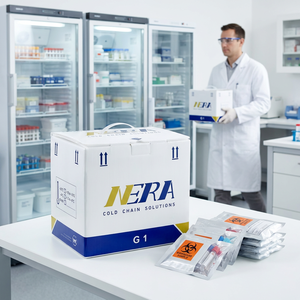
Under the Algerian Ministry of Pharmaceutical Industry's strict bio-availability standards, active pharmaceutical ingredients (APIs) and packaged vaccines entering through Houari Boumediene Airport (ALG) cannot endure thermal variance. Network engineering utilizes active phase-change materials (PCM) such as NERA cold-chain parcels, paired with real-time temperature loggers providing continuous data audits during line-haul transitions to Constantine and Oran production facilities.
Key regulatory and infrastructural dynamics modern procurement directors must navigate to safeguard delivery margins.
The modernization of Algerian customs into the ALCES automated digital infrastructure prioritizes pre-manifest electronic lodgments. Forwarders and supply chain partners with automated EDI systems can validate tariff headings (Codes Douaniers) before cargo departs Chinese, European, or UAE origins, cutting terminal documentation dwell time by up to 65%.
With the physical completion of critical Algerian segments of the Trans-Saharan Highway linking Algiers to Lagos, Nigeria, Algeria is transitioning into a continental gateway. Multinational manufacturers are re-evaluating Algiers and Djendjen as transshipment centers to distribute industrial components, electronics, and food goods into landlocked Sahel countries (Mali, Niger, Chad).
The Algerian government's industrial policies prioritize domestic production over assembled consumer goods, heavily taxing completely built units (CBU) in favor of CKD/SKD assembly kits. This elevates demand for specialized containerization, sequenced parts delivery, and radiator/cooling systems designed for OEM automotive assembly plants in Oran and Batna.
| Logistics Channel | Typical Transit Time to Algeria | Port / Gateway Focus | Cost Matrix | Ideal Application for Local Algerian Operators |
|---|---|---|---|---|
| Direct Ocean Freight (FCL) | 28–42 Days (Asia) / 4–8 Days (EU) | Algiers, Oran, Skikda, Bejaia | Low per CBM | Heavy industrial materials, steel, resin, automotive CKD assembly containers. |
| Consolidated LCL Ocean | 35–48 Days (Asia via Valencia/Tanger) | Algiers Port Sec (Rouiba Bonded) | Cost-Effective | Spare parts, replacement electronics, periodic manufacturing consumables. |
| Scheduled Air Freight | 3–6 Days Door-to-Airport | Algiers Houari Boumediene (ALG) | Premium | Urgent pharmaceutical biologicals, time-critical energy rig downtime parts. |
| Multimodal Sea-Air Charter | 10–14 Days via Dubai/Marseille | ALG Airport + Coastal Drayage | Moderate-High | High-value seasonal components balancing transit speeds against total expense. |
Combining over a century of proven forwarding legacy with modern digital visibility and localized regulatory compliance.
Founded in 1913, our logistics pedigree spans four generations of international shipping. Having guided global clients through geopolitical and maritime shifts, we bring seasoned institutional judgment to risk-mitigation on volatile North African trade lanes.
Every account gains access to our enterprise visibility platform. Monitor ocean vessel tracking, anticipate gateway choke points, review carbon metrics, and maintain digital archives of commercial invoices and EUR.1 certificates on desktop or mobile.
Regulatory scrutiny is the primary cause of supply chain delays in North Africa. Backed by internationally recognized AEO and C-TPAT protocols, our customs teams pre-validate documentary compliance, preventing capital lockup from bank import letters of credit (Crédit Documentaire).
We solve the "hidden fee" problem common in maritime trade. By structuring transparent quotation models covering Terminal Handling Charges (THC), Bunker Adjustment Factors (BAF), and port security fees, your financial planning remains stable throughout transit.
With 7 strategic hubs in the UK, USA, China, and UAE (adjacent to Jebel Ali Port) along with carefully vetted North African corridor partners, our logistics presence bridges source manufacturers in Asia directly to recipient warehouses in Algeria.
With an audited Net Promoter Score of 77 and an 85% top-tier satisfaction index, multinational enterprises trust our teams to move their business-critical cargo safely and consistently across borders.
Direct technical answers addressing the real compliance, banking, and physical distribution hurdles encountered by procurement teams.
Under regulations established by the Bank of Algeria, most commercial imports require settlement via a Documentary Credit (Crédit Documentaire / Credoc) or documentary collection (Remise Documentaire) processed through an authorized intermediary bank. The import file must include an authentic Certificate of Origin, a standardized commercial invoice with tax identification (NIF/NIS), a Packing List, a clean Bill of Lading (B/L), and an Inspection Certificate of Conformity (Certificat de Conformité) issued prior to embarkation. Optimizing your logistics network requires synchronizing your supply chain documentation with your local Algerian bank to prevent port demurrage while awaiting document endorsement.
Demurrage fees in Algerian ports are calculated under progressive tariff schedules, quickly escalating if containers linger beyond the standard 7-10 day free-time window. Our logistics network optimization implements three key controls: (1) negotiating extended 14-21 day free-time allotments directly with ocean carriers at the origin booking stage, (2) organizing advance documentation through the Algerian ALCES customs system to clear manifests prior to vessel berthing, and (3) immediate bonded haulage transfer directly to off-dock container freight stations (Dry Ports / Ports Secs) like Rouiba, sidestepping maritime terminal bottlenecks.
Yes. Transporting Dangerous Goods (DG Classes 1-9) into deep extraction areas like Hassi Messaoud, Rhourde Nouss, or Berkine requires strict adherence to IMO maritime rules and Algerian Ministry of Interior road transport permits. Network optimization coordinates DG packaging certification, verified dangerous goods manifests, and dedicated GPS-tracked multi-axle trailers. Drivers hold specialized industrial certifications and operate along approved transit corridors with emergency cooling protocols designed for high ambient temperatures.
Due to Algerian exchange control laws prohibiting local forwarders from settling international freight legs in local currency (DZD) without dedicated central bank authorization, imports are predominantly secured under CFR (Cost and Freight) or CIF (Cost, Insurance, and Freight) terms for ocean transport, or CPT (Carriage Paid To) for air cargo. However, leading manufacturers optimize inbound pipelines using FCA (Free Carrier) origin arrangements managed by forwarders with international settlement centers. This gives the importer full control over vessel carrier selection, routing routes, and free-time terms, while local import duties and domestic bonded transport are handled locally.
The Automated Customs Information System (ALCES) modernizes the Algerian customs framework by digitizing the declaration, appraisal, and release stages. A fully optimized supply chain integrates supplier item masters and HS classification codes directly into the digital manifest before vessel arrival. This reduces clerical discrepancies that trigger physical inspection channel delays (Circuit Rouge), expediting cargo movement directly through green or orange fast-track status.
Connect with our trade lane engineers to evaluate your ocean routing, eliminate unnecessary demurrage fees, and implement real-time shipment monitoring across your Algerian ports of entry.